Can You Copy a System Image to Another Drive?
A system image can usually be copied as files to another drive, but the copy is useful only if all image components remain together and the recovery environment can find and read them.
Know which image you have
A Qiling image is not the same format or folder layout as a Windows Backup and Restore image. Locate the exact image files and any related incremental or differential backups before moving them. If the backup uses a chain, copying only its newest file can make it unrestorable.
Do not confuse copying an image file with restoring it. A copied image is stored backup data; it cannot start Windows directly.
Copy and verify the image
- Connect a healthy destination drive with enough space and a file system that supports the image size.
- Copy the entire image folder, including metadata and dependent backup files, without renaming pieces inside the chain.
- Compare source and copied folder sizes and file counts, then use the backup tool's browse or verification feature if available.
- Keep the original until you have confirmed the new copy is recognized by the recovery environment.
When a fresh image is better
If the old image is incomplete, on an unreliable disk, or tied to a confusing chain, create a new system backup directly on a separate physical drive. This captures the current Windows state, which may differ from the older image. Keep recovery media and the destination drive available for a future restore test.
Create a Fresh Qiling System Image on Another Drive
Choose this route when you want a new backup rather than merely moving an old image file.
Step 1. Connect a separate backup drive and open Qiling Disk Master. Under Backup and Recovery, choose System backup.
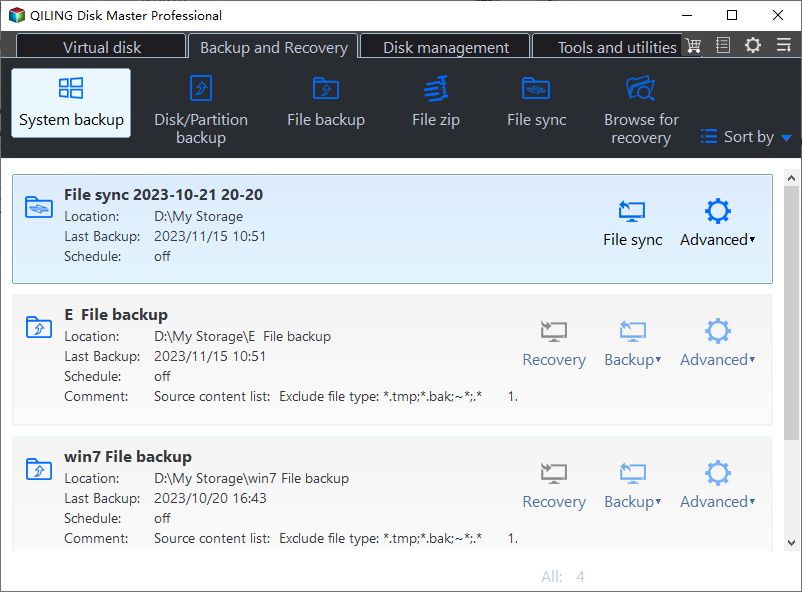
Step 2. Check the automatically selected Windows and boot partitions. Keep the required EFI/System Reserved and recovery partitions included where shown.

Step 3. Use the destination browse icon to select a folder on the healthy external drive, click OK, and check the available space before proceeding.
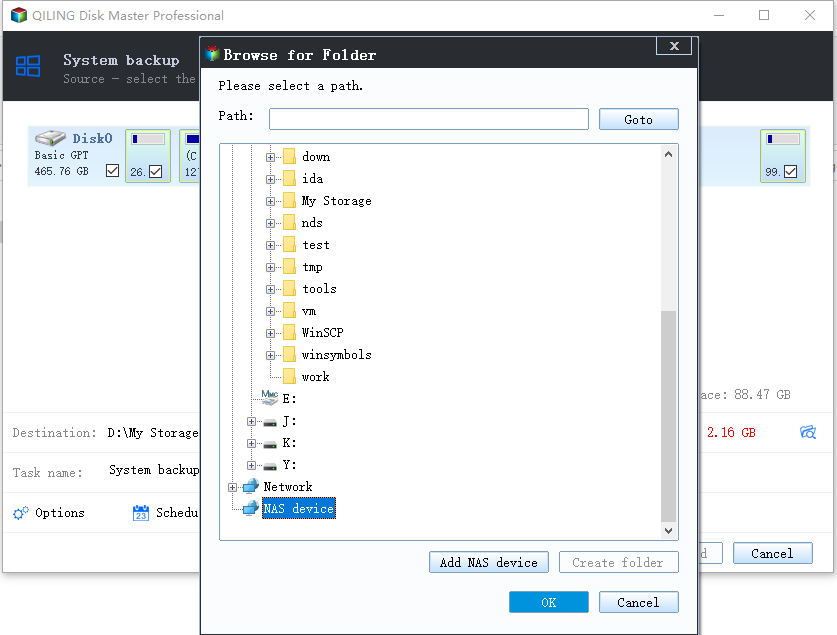
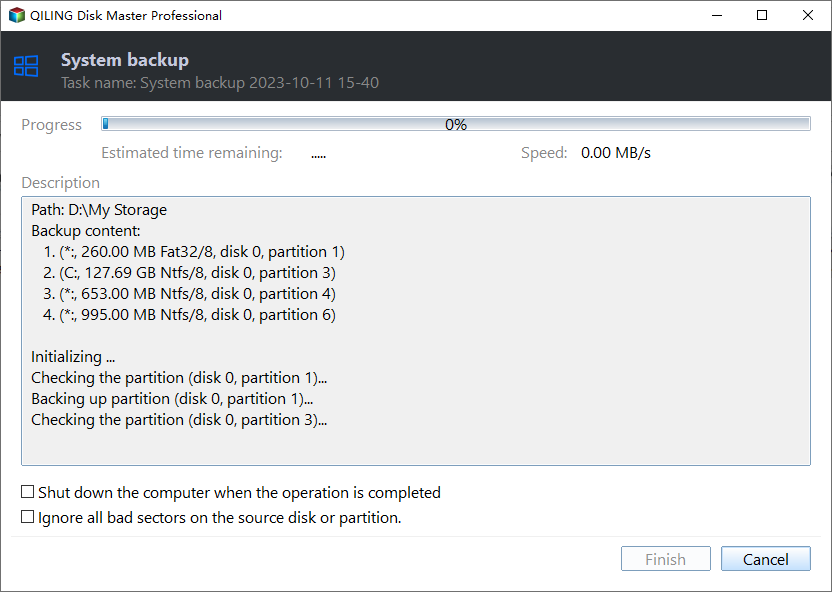
Step 4. Click Proceed and wait for the image task to finish. Browse the image from Qiling and keep the old copy until the new one is verified.
Frequently Asked Questions
Can I put a system image on the same physical disk? You can, but it will not protect against failure of that disk.
Will copying an image make the other drive bootable? No. A system image must be restored to a suitable destination before Windows can boot from it.
Conclusion
Copy complete image sets, verify them, and keep a separate physical copy. Create a fresh image when the old set is incomplete or hard to validate.
Related Articles
- Windows System Backup and Restore Tutorials
Compare system images and recovery choices in Windows. - Windows File Backup and Restore Tutorials
Protect personal files before resets or disk changes. - Windows Cloning Tutorials
Find boot-drive and SSD migration guides.
Products
Articles & Tutorials
- Data Recovery
- Data Backup
- File Recovery
- File Backup
- System Backup and Restore
- Disk and Partition Clone
- Technical articles
- Mobile articles
- Disk Master Help
- Windows Data Recovery Tutorials
- Windows Secure Delete Tutorials
- Windows Partition Management Tutorials
- Windows File Backup and Restore Tutorials
- Windows System Backup and Restore Tutorials
- Windows Disk Backup and Restore Tutorials
- Windows Clone Tutorials