Do You Need to Buy Windows Again After Changing a Motherboard?
Not always. A motherboard replacement is a significant hardware change, so Windows may ask for reactivation. Whether an existing license can be reused depends on how it was acquired and its terms; cloning or restoring a disk does not grant a new license.
Check activation before opening the PC
In Settings > Activation, note the Windows edition and activation method. Make sure the edition after the hardware change will match. If Windows reports a digital license linked to your Microsoft account, sign in with that account and confirm it is accessible. If you have a transferable product key, store it securely. Preinstalled/OEM licensing may be tied to the original device; check its terms rather than assuming it transfers.
Also record your BitLocker recovery key and important application licenses. A new motherboard can change the TPM and storage-controller environment, which may trigger recovery or driver work even if the disk itself is unchanged.
Change the board and reactivate
Step 1. Back up important files and, if needed, a full system image to external or network storage. Follow the motherboard and PC service manuals for the physical swap.
Step 2. Boot Windows, connect to the internet, install the new board's official chipset, network, and storage drivers, then open Settings > Activation. If it is not activated, use Troubleshoot and the “I changed hardware on this device recently” route when offered.
Step 3. Sign in to the Microsoft account linked to the license and select the correct device. If you have a valid transferable key, use Change product key. If neither route works, check license terms and contact Microsoft or the PC maker; do not rely on unofficial activation tools.
Back Up the System Before the Motherboard Change
A Qiling image protects the existing installation but does not solve licensing. Different hardware may require Universal Restore and new drivers if you later need to restore that image.
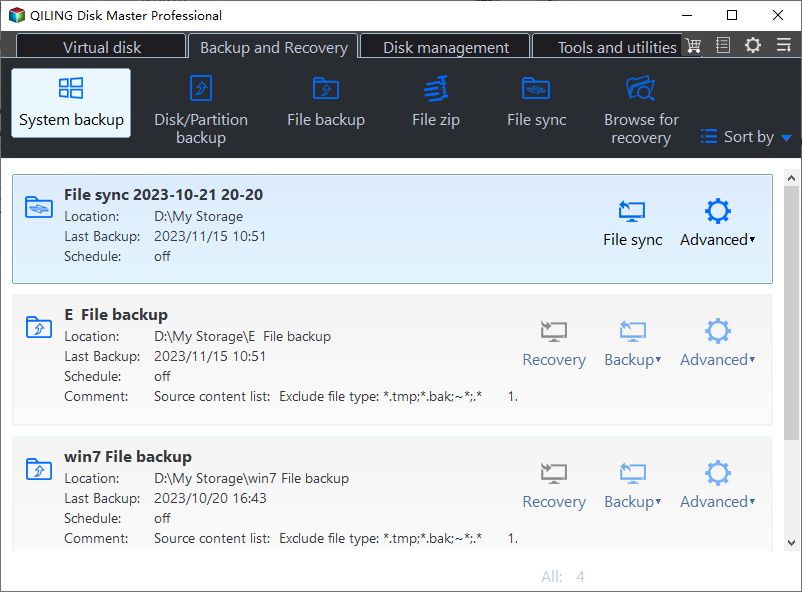
Step 1. Connect separate storage. In Qiling Disk Master choose Backup and Recovery > System Backup; verify that the Windows partitions are selected.
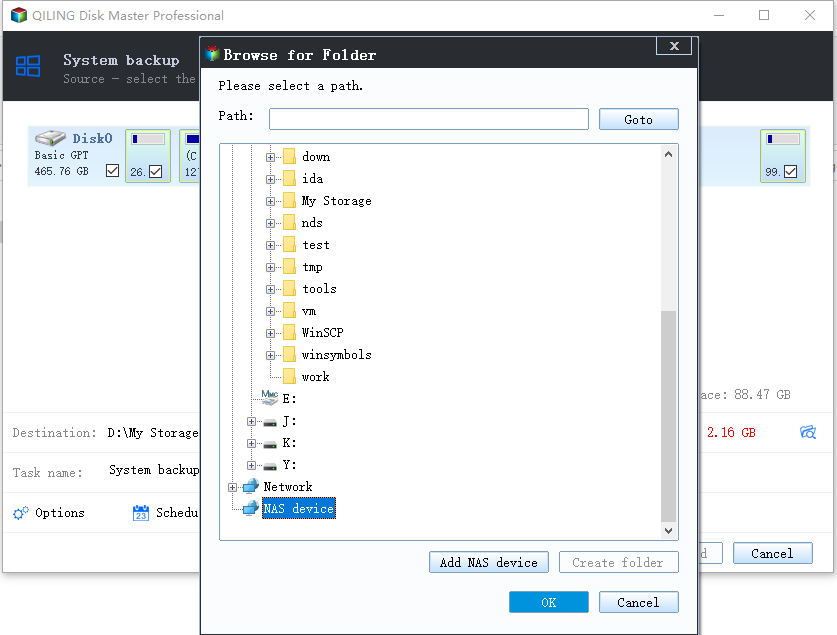
Step 2. Select the external drive or NAS as destination and check available space.
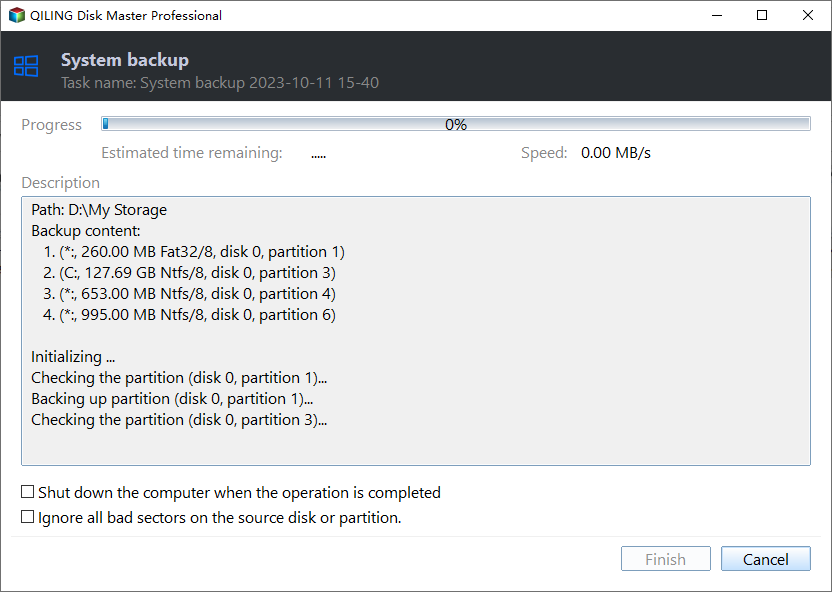
Step 3. Click Proceed, wait for completion, and verify the image. Prepare recovery media before the board change. Use the image only if needed, and treat activation as a separate follow-up.
Conclusion
Check the license type and activation link before replacing the board. Preserve keys and data, then use Microsoft's reactivation route; a backup protects the installation, not the legal right to activate it.
Related Articles
- Windows Cloning Tutorials
Find more boot-drive and SSD migration guides. - Windows System Backup and Restore Tutorials
Plan a separate image before changing Windows hardware.
Products
Articles & Tutorials
- Data Recovery
- Data Backup
- File Recovery
- File Backup
- System Backup and Restore
- Disk and Partition Clone
- Technical articles
- Mobile articles
- Disk Master Help
- Windows Data Recovery Tutorials
- Windows Secure Delete Tutorials
- Windows Partition Management Tutorials
- Windows File Backup and Restore Tutorials
- Windows System Backup and Restore Tutorials
- Windows Disk Backup and Restore Tutorials
- Windows Clone Tutorials