Do You Need to Reinstall Windows After Replacing the CPU
Replacing only the CPU usually does not require reinstalling Windows, but you should update BIOS, back up files, and check activation before hardware changes.
Overview
If you replace only the CPU with a compatible model on the same motherboard, Windows usually starts normally. A reinstall is more likely when you replace the motherboard, storage controller, or platform.
Still, a CPU upgrade can require BIOS updates and may trigger activation or driver checks, so backup is sensible.
What to Prepare First
- Confirm CPU compatibility with the motherboard and BIOS version.
- Back up important files before opening the PC.
- Create a restore point or system image.
- Have thermal paste and cooling instructions ready.
Use Windows Built-in Tools First
Before replacing the CPU, update BIOS if the motherboard vendor requires it. In Windows, pause BitLocker if enabled, create a restore point, and save your work.
After replacement, boot into BIOS first, check CPU temperature, then start Windows and install chipset updates if needed.
Back Up Files with Qiling Disk Master
Use file backup when you want documents, pictures, saves, project folders, or user profiles protected without imaging the whole disk. It is suitable for regular backup before repair, hardware change, reset, or Windows upgrade.
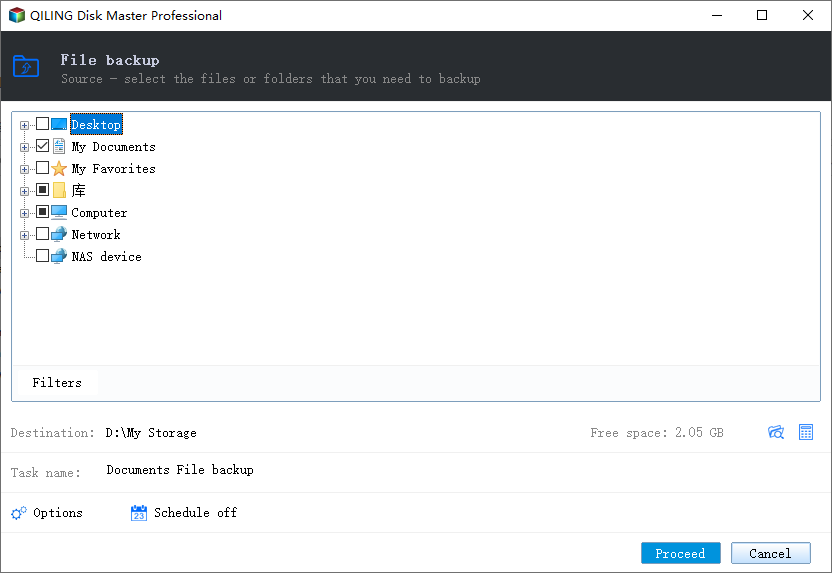
Step 1. Open Qiling Disk Master and choose File Backup. Give the task a clear name so you can identify it later.
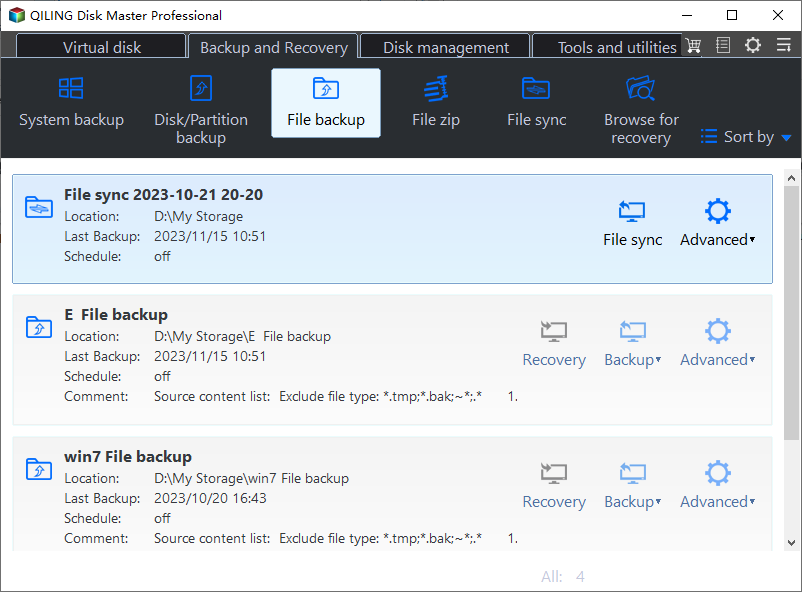
Step 2. Select the folders you want to protect directly in the folder tree, such as Desktop, Documents, Pictures, Downloads, game save folders, browser profiles, or work directories. Expand the drive and its folders as needed to locate them, then check your selections before choosing the backup destination in Step 3. Avoid selecting temporary cache folders unless they are required.
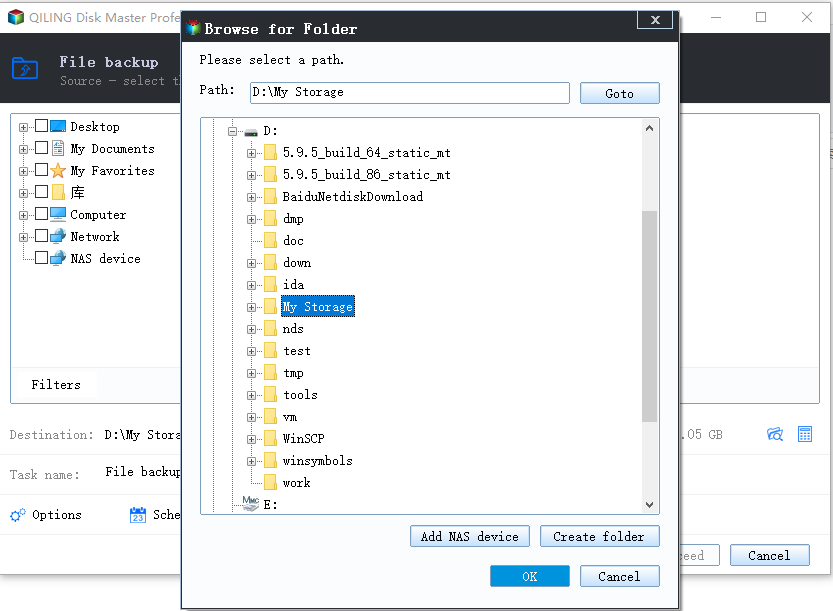
Step 3. Select a destination on an external drive, another internal disk, or a network share. The destination should have enough free space for the first full backup and later changed files.
Step 4. Set a schedule if the files change often. For a one-time migration, run the task manually; for daily work folders, schedule automatic backups.
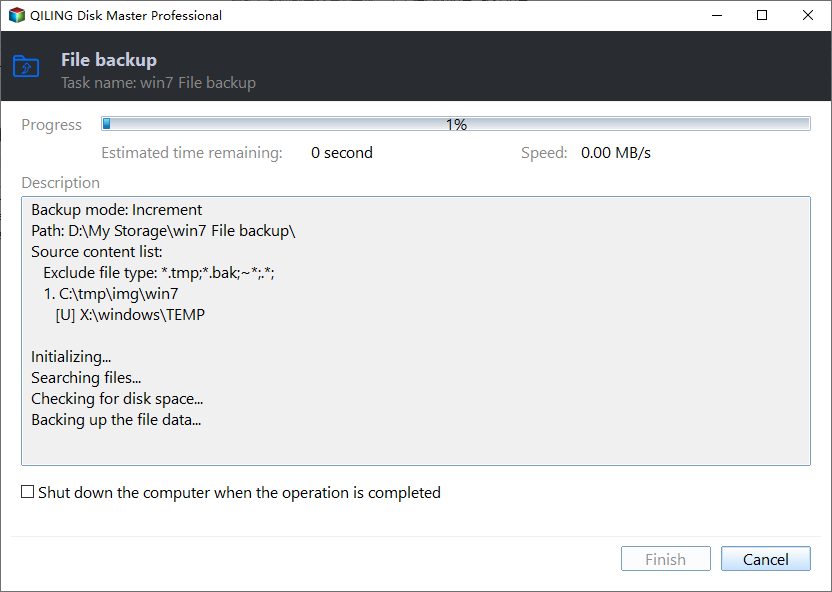
Step 5. Click Proceed and wait for the backup to finish. Open the destination folder or task history to confirm the backup image was created.
Troubleshooting Tips
- If the PC does not boot, reinstall the old CPU and update BIOS.
- If Windows deactivates, use Activation Troubleshooter.
- If temperatures are high, reseat the cooler and check thermal paste.
FAQ
Should I back up before following these steps? Yes. If the disk is readable and the files matter, create a backup before cloning, repairing, formatting, resetting, or changing hardware.
Can I use Windows built-in tools only? Use built-in tools for simple file copy, restore points, File History, Disk Management, and Windows setup. Use Qiling tools when you need a clearer disk map, bootable recovery media, scheduled backup, or disk clone workflow.
Will these operations erase my target drive? Cloning, restoring an image, formatting, and creating some bootable media can overwrite the target drive. Read the warning message and confirm the disk number before clicking Proceed.
Conclusion
A CPU-only upgrade normally does not require Windows reinstallation, but backup first and verify BIOS compatibility before changing hardware.
Related Articles
- Windows System Backup and Restore Tutorials
Browse Windows backup and restore guides for system images, recovery drives, restore points, and safe repair preparation. - Windows Disk Backup and Restore Tutorials
Find Windows disk backup, SSD image backup, external drive backup, and restore tutorials with practical Qiling workflows. - Windows Clone Tutorials
Review Windows cloning guides for system migration, disk clone, SSD upgrade, and safe boot preparation.
Products
Articles & Tutorials
- Data Recovery
- Data Backup
- File Recovery
- File Backup
- System Backup and Restore
- Disk and Partition Clone
- Technical articles
- Mobile articles
- Disk Master Help
- Windows Data Recovery Tutorials
- Windows Secure Delete Tutorials
- Windows Partition Management Tutorials
- Windows File Backup and Restore Tutorials
- Windows System Backup and Restore Tutorials
- Windows Disk Backup and Restore Tutorials
- Windows Clone Tutorials