Does Reinstalling Windows Delete Everything?
Reinstalling Windows can mean several different procedures. Whether your files survive depends on the method and the choice you confirm, not the word 'reinstall' alone.
Compare the methods
An in-place reinstall started from within a working Windows installation may offer Keep personal files and apps. Keep personal files only removes apps. Keep nothing removes files and apps. Reset this PC has its own Keep my files and Remove everything choices. A clean install started by booting installation media can erase the selected Windows partition or disk.
Prepare before any reinstall
- Copy documents, photos, browser exports, game saves, and license information to a separate drive.
- Check cloud accounts and sync status; do not assume a cloud icon means every file is available offline.
- Save the BitLocker recovery key and identify the current Windows edition and activation status.
- If there are multiple disks, identify the Windows disk by model and capacity. Disconnect unrelated drives when practical to avoid choosing the wrong target.
Choose the least disruptive route
- If Windows still starts and you want to retain apps, run a supported installation media setup from inside Windows and read the Change what to keep screen.
- If Windows is unstable but still repairable, consider System Restore or Startup Repair before a reset.
- If using Reset this PC, choose Keep my files only after reviewing the app-removal list and your separate backup.
- If booting from USB for a clean install, check the selected disk and partition at the installer screen before deleting or formatting anything.
Verify after installation
Start Windows, install updates and drivers, sign in, and compare files against the backup. Reinstall applications only from trusted sources. Do not erase the backup until you know the new installation is complete.
Back Up Selected Files with Qiling Disk Master
Before reinstalling Windows, use Qiling File Backup to protect personal folders on an external drive. It will not preserve installed applications by itself.
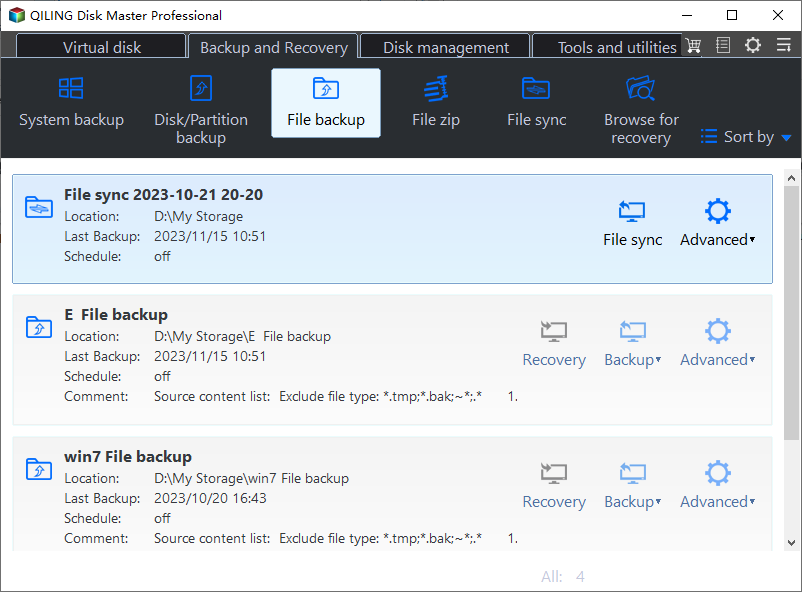
Step 1. Connect a separate backup drive. Open Backup and Recovery and choose File backup.
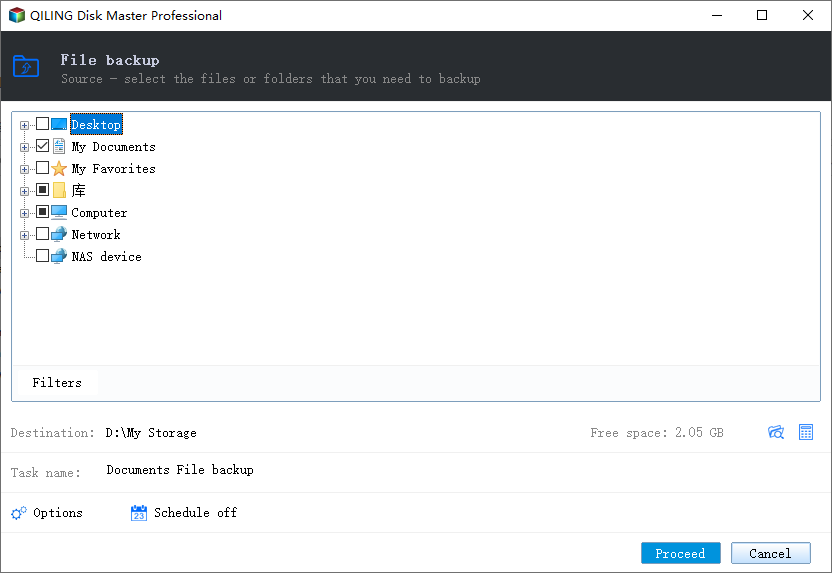
Step 2. In the folder tree, expand the appropriate drive and select the folders you need to protect. Check game saves, Documents, Pictures, or other locations that matter for this task; do not assume every needed file is in one folder.
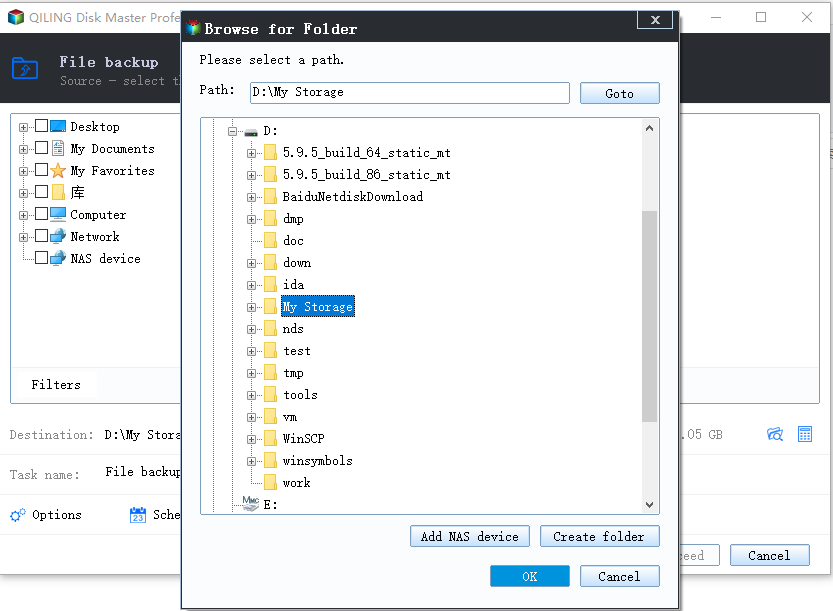
Step 3. Choose a destination on another physical drive or a trusted network location. Check its free space and give the task a recognizable name.
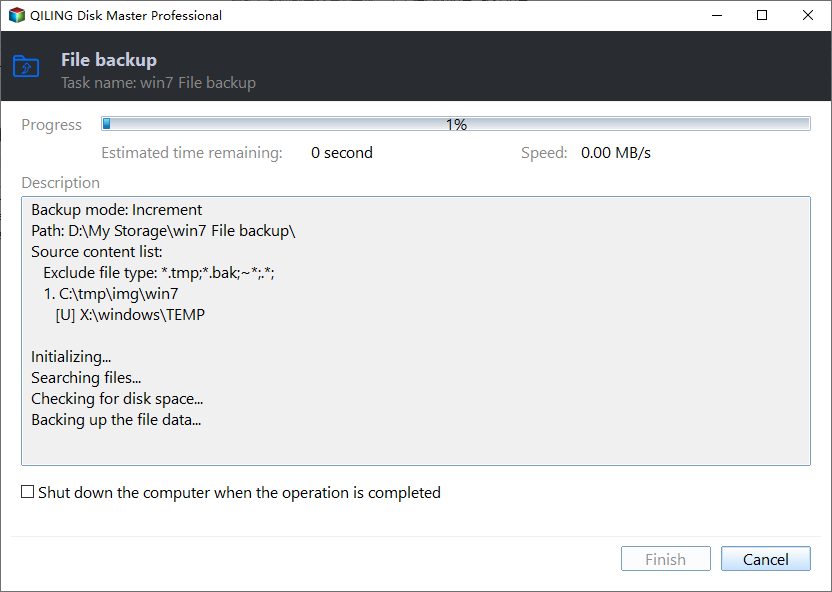
Step 4. Click Proceed and wait for the progress screen to finish. Confirm the backup exists, then keep the backup drive separate from the source PC.
Frequently Asked Questions
Will reinstalling from inside Windows keep apps? Only if the installer offers and you select Keep personal files and apps.
Does Keep my files replace a backup? No. Back up independently before changing Windows.
Conclusion
An in-place repair, reset, and clean install preserve different things. Choose the method deliberately and back up independently first.
Related Articles
- Windows File Backup and Restore Tutorials
Compare ways to protect and restore personal files in Windows. - Windows System Backup and Restore Tutorials
Find system image, recovery drive, and restore guides for Windows. - Windows Disk Backup and Restore Tutorials
Explore disk image backup and restoration workflows for Windows drives.
Products
Articles & Tutorials
- Data Recovery
- Data Backup
- File Recovery
- File Backup
- System Backup and Restore
- Disk and Partition Clone
- Technical articles
- Mobile articles
- Disk Master Help
- Windows Data Recovery Tutorials
- Windows Secure Delete Tutorials
- Windows Partition Management Tutorials
- Windows File Backup and Restore Tutorials
- Windows System Backup and Restore Tutorials
- Windows Disk Backup and Restore Tutorials
- Windows Clone Tutorials