How to Upgrade to M.2 SSD without Reinstalling Windows
When building a PC, choosing a fast storage medium is crucial for efficient performance. While traditional 2.5-inch SATA devices are common, Solid State Drives (SSDs) have evolved, and M.2 SSDs are a popular option. M.2 SSDs, formerly known as Next Generation Form Factor (NGFF), offer high-performance storage in sleek devices like tablets and laptops, and are compatible with multiple protocols like USB, SATA, and Wi-Fi. If your motherboard has the required connectors, you can upgrade your HDD/SSD to an M.2 SSD, which is advised after checking your motherboard documentation.
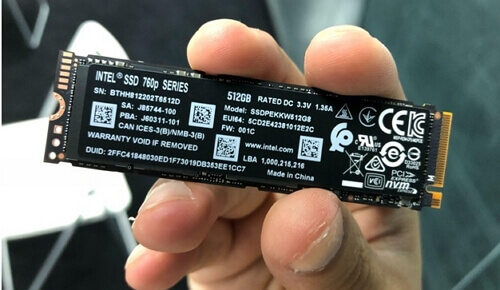
Should I Install OS on M.2 SSD?
Nearly all the latest computer systems and motherboards come with M.2 SSD compatibility because of the multiple advantages. Digital users have shifted their focus from traditional SSDs to M.2 SSDs. Some of the major advantages that you get from installing an operating system in M.2 SSD are:
Simple Installation:M.2 SSDs offer a simple installation process, allowing you to plug the device directly into the motherboard without needing to juggle multiple cables, making it easy to get started with using the storage device.
Quick Booting and Efficient Performance:Installing M.2 SSDs in your computer system can significantly boost its performance and reduce boot times, making it much faster and more efficient overall.
Enhanced Storage Capacity:M.2 SSDs offer enhanced storage capacity and a lightweight, portable design compared to mSATA cards, making it easier to carry devices to different locations.
Reduced Latency:The latest M.2 SSDs utilize an advanced interface that significantly reduces latency and boosts performance, resulting in a more seamless and enhanced operating system experience.
How to Upgrade HDD/SSD to M.2 SSD Without Reinstalling Windows
Upgrading from a traditional HDD/SSD to an M.2 SSD can be a hassle, especially if you've already set up your Windows on the former storage. However, you can easily clone your disk using Qiling Disk Copy, a software that simplifies the process in just three to four steps. By downloading and running the software, you can select the source and target disk, and even choose from various disk layout options, all without having to reinstall Windows. This makes it a convenient and time-saving solution for users looking to upgrade to an M.2 SSD.
Qiling Disk Copy
- Compatible with Windows 11/10/8/7 and more
- Hassle-free and fast-cloning process
- Support users clone a hard drive with bad sectors
- Experienced technical support
Step 1: Download, install and run Qiling Disk Copy on your PC.
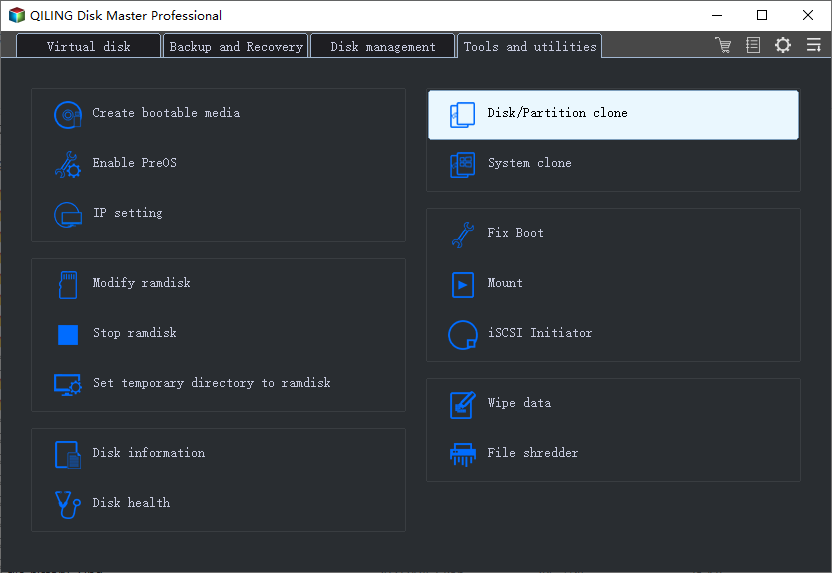
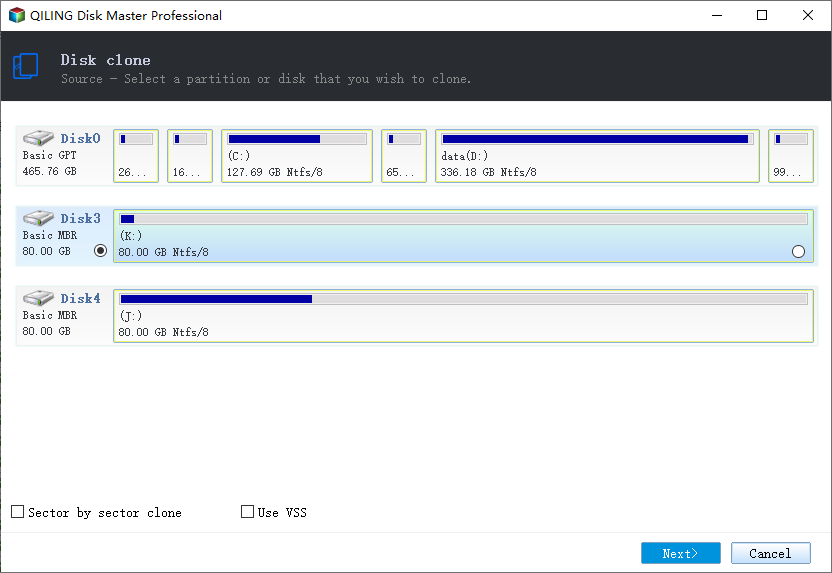
Step 2: To clone a hard drive, click on the head of the disk and select the HDD that you want to clone.
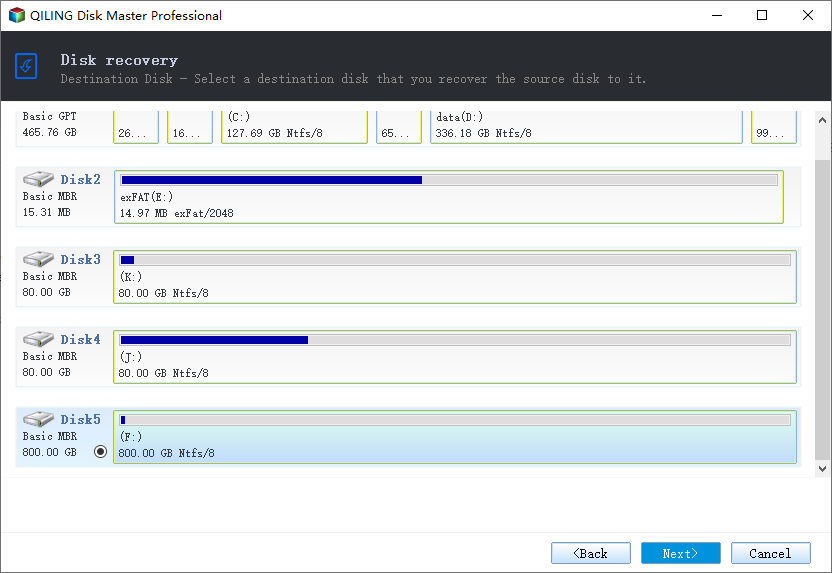
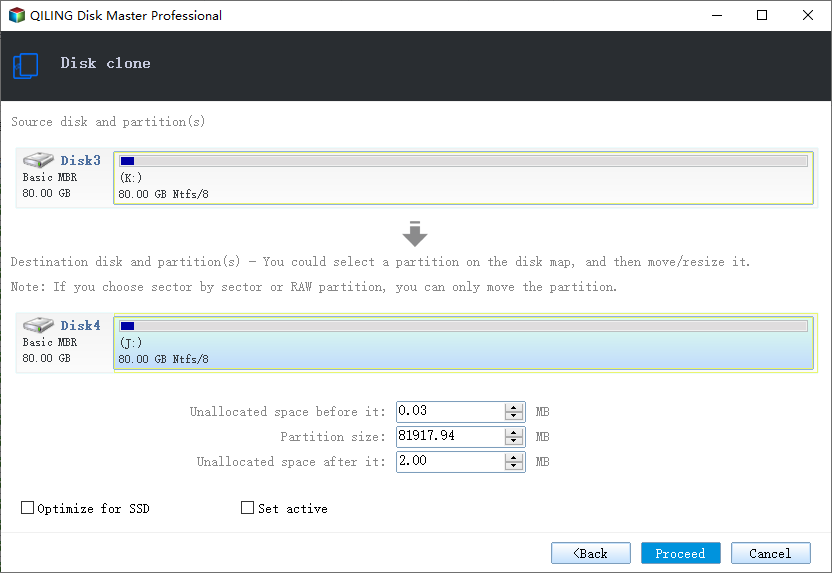
Step 3: Select the SSD as your destination.
Step 4: Edit the disk layout and then click "Proceed" to continue.
When transferring data to an SSD, it's recommended to select the "Check the option if the target is SSD" checkbox to ensure optimal performance and longevity of the drive.
A warning message tells you that the data on the SSD will be erased. Click "OK" to continue if you do not have important data on the destination disk.
Step 5: Wait for the process to complete.
Conclusion
To upgrade your computer's storage, you can either install your operating system on a new M.2 SSD or replace your existing HDD/SSD with one. Before buying an M.2 SSD, it's essential to check your motherboard's compatibility to ensure a smooth installation process. Since M.2 SSDs are on the pricier side, verifying the necessary drivers and technical support is also crucial for a seamless booting experience.
For upgrading an internal PCIe SSD without reinstalling Windows, read How to Upgrade an Internal PCIe SSD Without Reinstalling Windows.
Related Articles
- Clone Hard Drive VS Clean Install SSD - Which One Is Better
- [Full Guide] Clone Toshiba Hard Drive to SSD Quickly
- How to Move Windows Boot Partition to A New Drive
- Do I Need to Format a New SSD Before Cloning
- Best Seagate Dashboard Alternative - Qiling Disk Master Freeware
Read this post to learn about Seagate Dashboard and fix its problems. You should try one of the easy-to-use and free Seagate Dashboard alternatives if it's not working. It helps you find the best way to perform backup, restore and disk cloning. - How to Do with "SMART Status Bad, Backup and Replace" | Guide
When failed to boot computer with Pri Master Hard Disk SMART Status BAD error, you should backup important data to another location before the hard drive fails completely.
Products
Articles & Tutorials
- Data Recovery
- Data Backup
- File Recovery
- File Backup
- System Backup and Restore
- Disk and Partition Clone
- Technical articles
- Mobile articles
- Disk Master Help
- Windows Data Recovery Tutorials
- Windows Secure Delete Tutorials
- Windows Partition Management Tutorials
- Windows File Backup and Restore Tutorials
- Windows System Backup and Restore Tutorials
- Windows Disk Backup and Restore Tutorials
- Windows Clone Tutorials