Can You Use an Old Windows 10 Restore Point After a Clean Install?
Usually no. A restore point belongs to the Windows installation that created it and is not a portable backup file you can import into a clean installation. If the old installation was erased, its restore points were generally erased with it. Before changing anything else, establish whether you have a restore point, a system image, or only personal files.
Understand what survived
If the old Windows volume still exists on another drive and can boot, System Restore may be usable within that same installation. Do not point the new installation's System Restore wizard at old shadow-copy data and expect it to import. If you have a separately saved system image, that image may be restored as a whole system, but it will replace the selected destination's current contents. If you have only copied documents, restore those files after reinstalling apps.
Choose the least disruptive path
Path A: keep the clean install. Copy backed-up documents, photos, and other personal data into the new profile; reinstall applications from official installers and sign in again. This is appropriate if the old Windows installation was unstable.
Path B: recover the old installation. If a valid system image predates the clean install and you need that exact environment, use its recovery media and image-restore workflow. Back up all new files first. Confirm the target disk carefully; restoring an image can erase the current installation and data added since the image was made.
Path C: use the old drive as a reference. If the previous drive is intact but no image exists, attach it as a secondary drive and copy readable personal files. Do not copy program folders in place and expect installed applications or licensing to work.
If You Already Have a Qiling System Image
These steps apply only to a Qiling image created before the reinstall. Qiling cannot convert an old Windows restore point into an image.
Step 1. Back up files created after the clean installation to separate storage. Attach the drive containing the old Qiling system image and start Qiling Disk Master or its bootable recovery media.
Step 2. In Backup and Recovery > Restore, browse for the image and select the intended backup point. Confirm its date and source system.
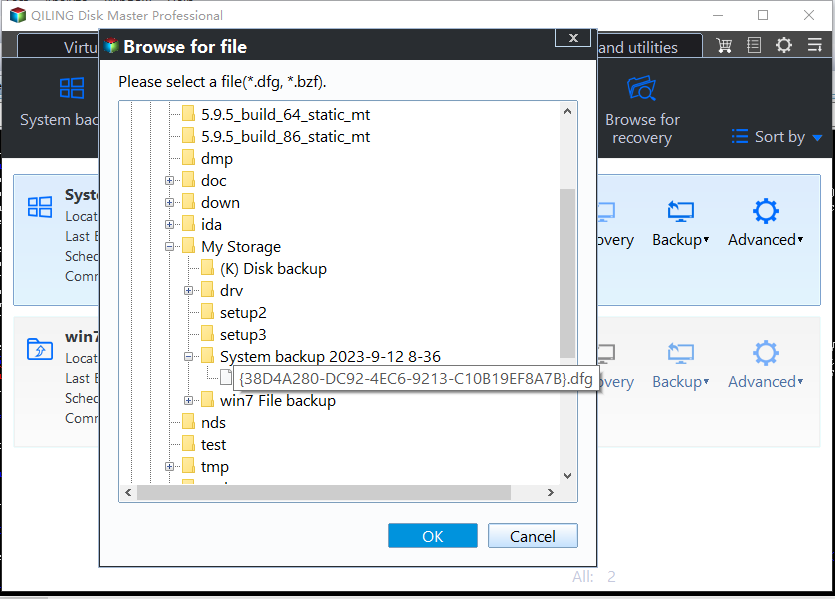
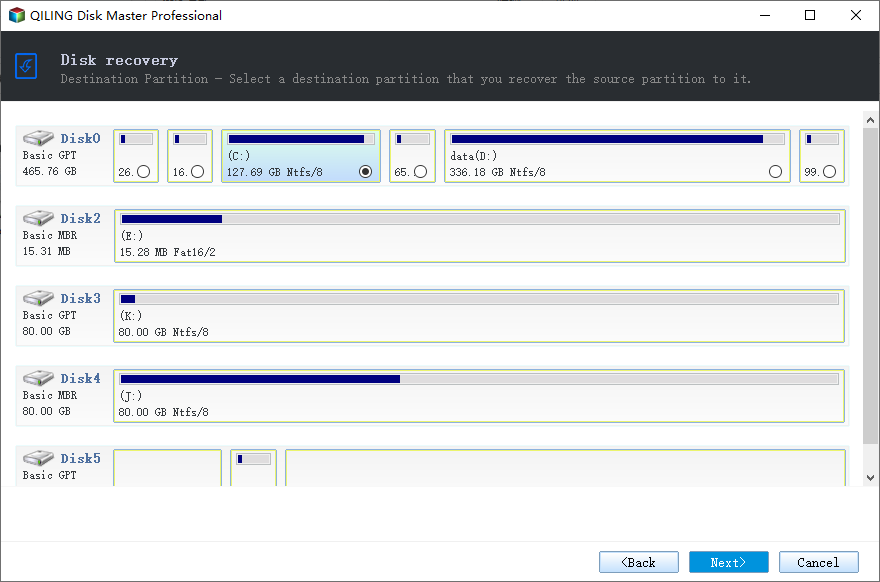
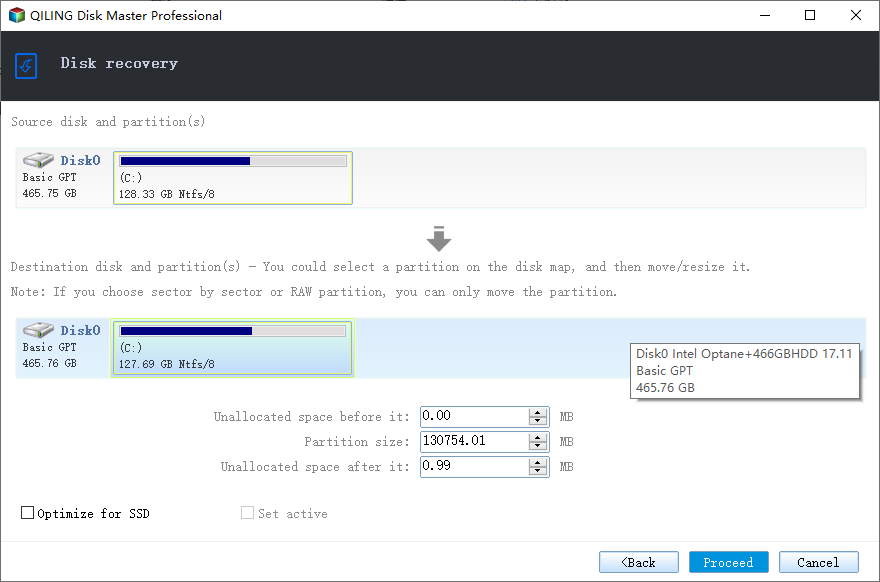
Step 3. Choose the system or required partitions to restore, select the destination disk, and check every partition in the preview. Do not use Universal Restore when restoring to the same PC unless a hardware-change scenario specifically requires it.
Step 4. Confirm the overwrite warning, start the restore, and test booting. Return separately backed-up new files afterward.
Conclusion
Old restore points cannot simply be carried into a fresh Windows 10 installation. Restore personal files to keep the clean setup, or deliberately replace it with a verified preexisting system image.
Related Articles
- Windows System Backup and Restore Tutorials
Compare restore points, images, and recovery methods. - Windows File Backup and Restore Tutorials
Protect changing documents separately from the operating system.
Products
Articles & Tutorials
- Data Recovery
- Data Backup
- File Recovery
- File Backup
- System Backup and Restore
- Disk and Partition Clone
- Technical articles
- Mobile articles
- Disk Master Help
- Windows Data Recovery Tutorials
- Windows Secure Delete Tutorials
- Windows Partition Management Tutorials
- Windows File Backup and Restore Tutorials
- Windows System Backup and Restore Tutorials
- Windows Disk Backup and Restore Tutorials
- Windows Clone Tutorials