Can You Clone Windows 7 to Windows 10? The Correct Migration Path
A disk clone copies the operating system already on the source. It cannot turn a Windows 7 installation into Windows 10. If the aim is a newer system, install or upgrade with legitimate media and licensing, then move personal data.
What cloning actually preserves
Cloning a Windows 7 disk to another drive produces a copy of Windows 7, including its applications, drivers, and boot layout. It may be useful for replacing a drive in the same compatible PC, but it is not an OS upgrade. Moving that cloned disk into a different PC adds driver and activation problems.
Plan a supported destination
Back up personal files and record application licenses. Check whether the PC supports a current Windows release and its hardware requirements. Windows 7 support ended in 2020; standard Windows 10 support ended in 2025. For a daily-use internet PC, prefer a supported Windows release where hardware and licensing permit. Use official installation or upgrade media and verify activation; do not depend on an old free-upgrade entitlement.
Move data after Windows setup
Complete the new installation before restoring files. Copy Documents, Desktop, Pictures, browser exports, email archives, and application-specific data. Reinstall applications from official sources and sign into accounts again. Open sample files and check whether special software can read its old project format. Keep the old disk untouched until the migration is confirmed.
Transfer Personal Files with Qiling File Backup
Use File Backup to preserve Windows 7 user data before installing the newer system. This is a data-migration flow, not an OS conversion.
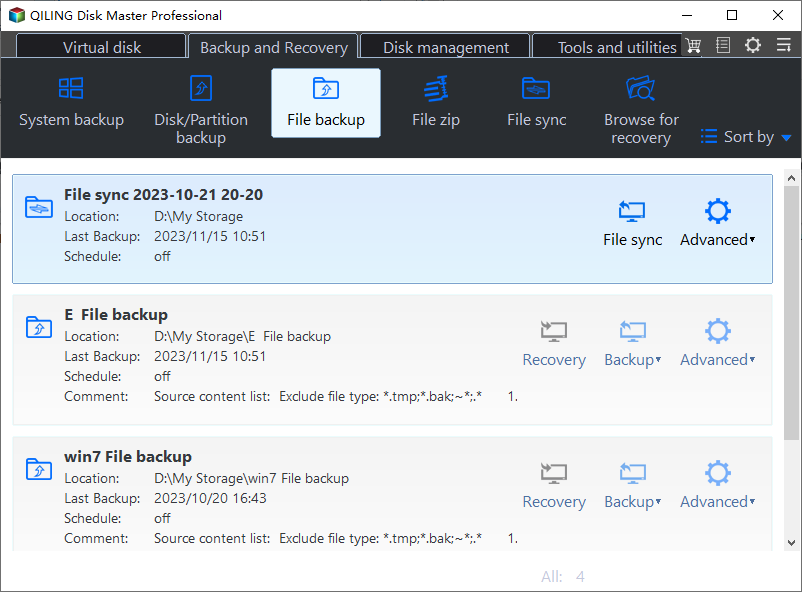
Step 1. Attach a healthy external destination to the Windows 7 PC. In Qiling Disk Master, choose Backup and Recovery > File backup.
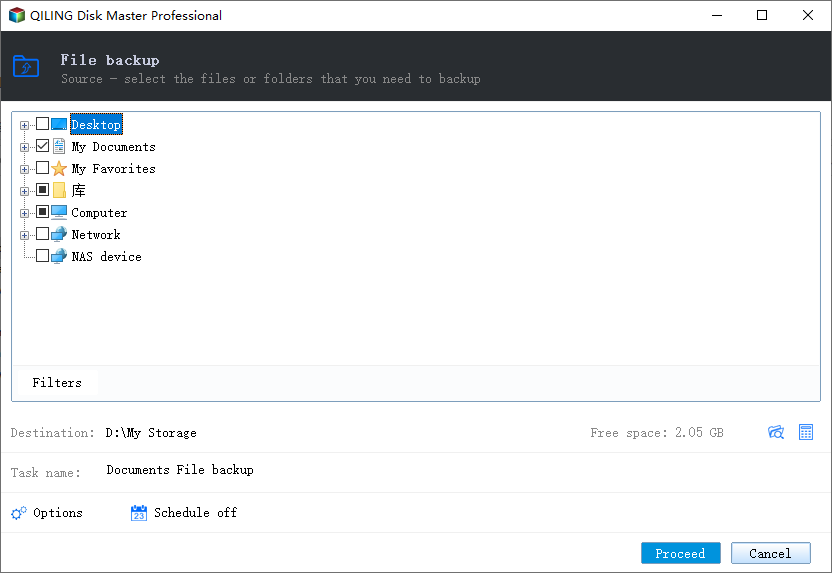
Step 2. Select the required folders directly in the source tree. Include other user profiles or secondary drives only if you have permission to access them.
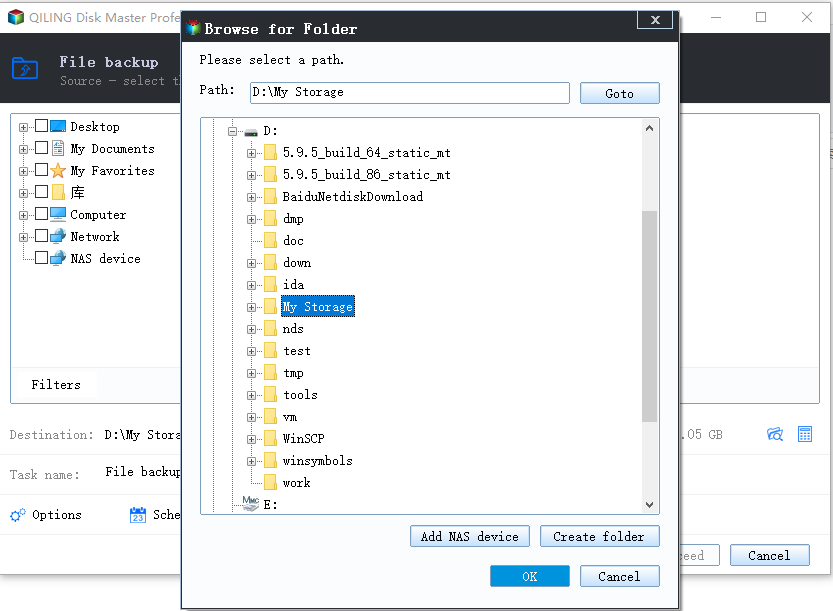
Step 3. Choose the external backup drive as the destination, confirm adequate free space, and click Proceed.
Step 4. Open sample files from the completed backup. On the new PC, install Qiling, open the restore function, select the backup image, and choose the appropriate destination folder.
Step 5. Verify restored documents, photos, and project files. Reinstall applications separately and transfer their licenses according to vendor terms.
File restoration does not move drivers, installed programs, or the old PC's Windows license.
Conclusion
To replace Windows 7, install a licensed supported OS and restore data. Clone only when you intentionally want another Windows 7 disk.
Related Articles
- Windows System Backup and Restore
Compare system images, cloning, and recovery options. - Windows Disk Backup and Restore
Find disk backup and restore guides for Windows PCs.
Products
Articles & Tutorials
- Data Recovery
- Data Backup
- File Recovery
- File Backup
- System Backup and Restore
- Disk and Partition Clone
- Technical articles
- Mobile articles
- Disk Master Help
- Windows Data Recovery Tutorials
- Windows Secure Delete Tutorials
- Windows Partition Management Tutorials
- Windows File Backup and Restore Tutorials
- Windows System Backup and Restore Tutorials
- Windows Disk Backup and Restore Tutorials
- Windows Clone Tutorials