Replace a Laptop Hard Drive and Reinstall Windows Step by Step
A clean reinstall is appropriate when the old laptop system is cluttered or damaged, or when you want a fresh start on the replacement SSD. It is different from cloning: applications and settings must be set up again.
Prepare parts, media, and backup
Check the laptop's exact service manual for the drive interface, battery precautions, and opening procedure. Choose a compatible SSD and mounting bracket if needed. On a working PC, create official Windows installation media; record the original Windows edition and activation status. Back up personal files to a separate disk, save BitLocker recovery keys, and export data from applications that use local databases.
Replace the hardware
Power off, remove external power, and follow the manufacturer's battery-disconnection instructions. Remove the old drive without bending the connector, fit the replacement securely, and reassemble the case. If the old drive is failing, avoid repeated power cycles just to collect nonessential files. Keep it untouched until the new system is fully working.
Install and restore Windows
Boot the official installer USB via the laptop's one-time boot menu. Choose the Windows edition matching your license, select Custom, and identify the new SSD by capacity. For a blank drive, select its unallocated space; never delete partitions on an unrelated disk. Finish setup, connect to the internet for activation, install manufacturer drivers, restore files, reinstall applications, and verify several restarts. Prefer a supported Windows version for ongoing use.
Transfer Personal Files with Qiling File Backup
If the old laptop still runs, capture its personal files with Qiling File Backup before opening the case.
Step 1. Attach a healthy external destination to the laptop. In Qiling Disk Master, open Backup and Recovery > File backup.
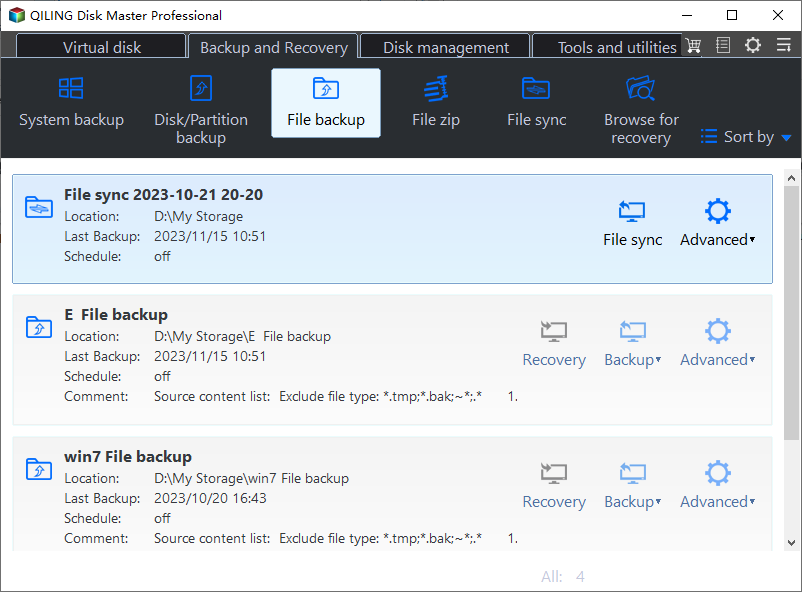
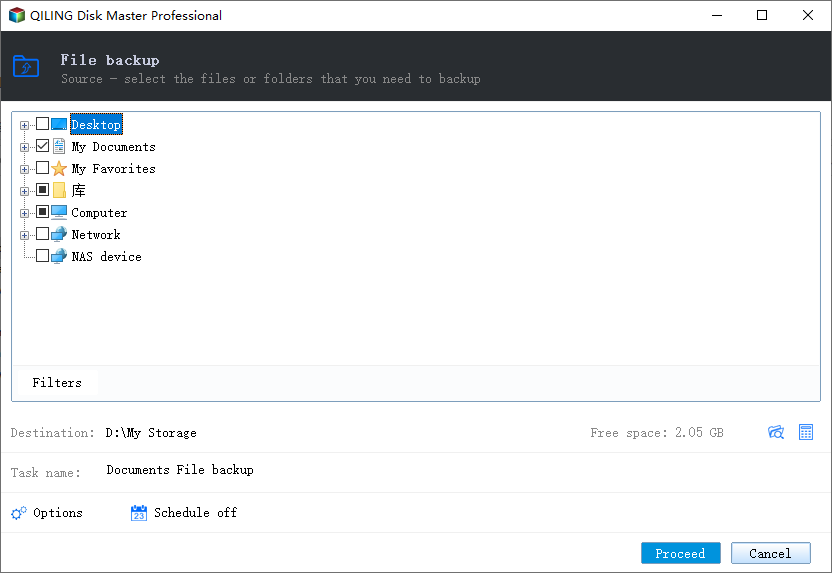
Step 2. Select the required folders directly in the source tree. Include other user profiles or secondary drives only if you have permission to access them.
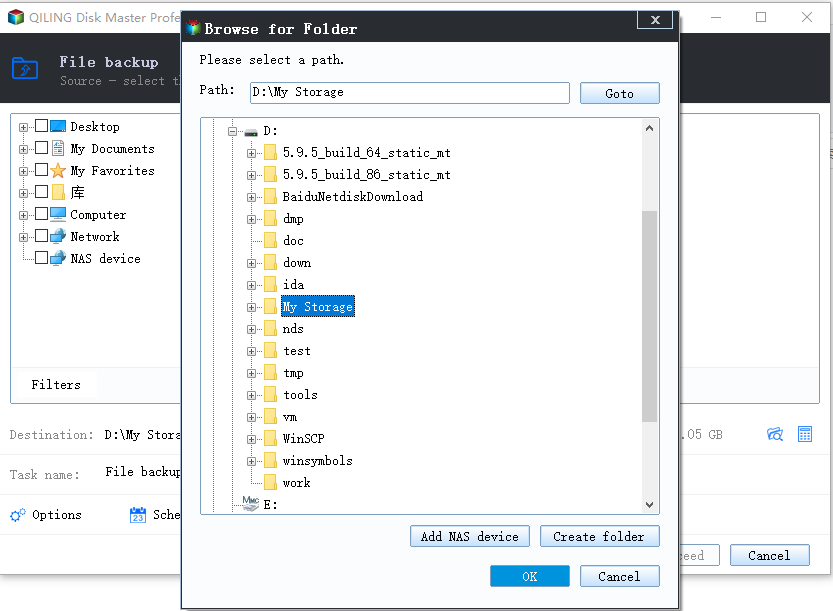
Step 3. Choose the external backup drive as the destination, confirm adequate free space, and click Proceed.
Step 4. Open sample files from the completed backup. On the new PC, install Qiling, open the restore function, select the backup image, and choose the appropriate destination folder.
Step 5. Verify restored documents, photos, and project files. Reinstall applications separately and transfer their licenses according to vendor terms.
File restoration does not move drivers, installed programs, or the old PC's Windows license.
Conclusion
A clean reinstall needs three separate checks: verified file backup, compatible replacement hardware, and legitimate Windows setup and activation.
Related Articles
- Windows System Backup and Restore
Compare system images, cloning, and recovery options. - Windows Disk Backup and Restore
Find disk backup and restore guides for Windows PCs.
Products
Articles & Tutorials
- Data Recovery
- Data Backup
- File Recovery
- File Backup
- System Backup and Restore
- Disk and Partition Clone
- Technical articles
- Mobile articles
- Disk Master Help
- Windows Data Recovery Tutorials
- Windows Secure Delete Tutorials
- Windows Partition Management Tutorials
- Windows File Backup and Restore Tutorials
- Windows System Backup and Restore Tutorials
- Windows Disk Backup and Restore Tutorials
- Windows Clone Tutorials