How to Recover Deleted iWork Files on Mac
Overview of Recovering iWork Files
Apple has developed its own office applications, including Pages, Numbers, and Keynote, which are part of the iWork suite. These tools allow users to create documents, spreadsheets, and presentations on their Macs, providing an alternative to Microsoft Office software. With iWork, users can produce high-quality content for various purposes.
If you've lost iWork files due to deletion, OS issues, corruption, or a virus, there are several methods to retrieve them. You can recover deleted iWork files on Mac using three efficient methods, which will be explained in the following parts.
3 Fixes to Recover Deleted iWork Files on Mac
Apple's Mac users can easily back up their data with iCloud and Time Machine, but these tools have limitations. When users only need to recover a few files, restoring the entire backup can be a lengthy and potentially data-erasing process. For a quicker and more convenient recovery method, Deep Data Recovery for Mac provides a solution.
- 1. Recover Deleted iWork Files on Mac with Qiling Recovery Tool
- 2. Recover Deleted iWork Files on Mac with iCloud
- 3. Recover Deleted iWork Files with Time Machine
1. Recover Deleted iWork Files on Mac with Qiling Recovery Tool
If conventional recovery methods take too long, you can try using a third-party Mac data recovery software like Deep Data Recovery for Mac. This alternative method can help recover lost data more quickly.
Deep Data Recovery for Mac is a comprehensive data recovery tool that can help you solve various data loss cases, such as retrieving deleted photos, repairing corrupted MP4 files, recovering lost data after a virus attack, or finding missing files after a Mac update. Whether you're dealing with a challenging data loss situation, this tool will help you get out of it.
To recover your lost data, download and launch the tool on your Mac, then follow the step-by-step guide to begin the recovery process.
Step 1. Launch Deep Data Recovery on your computer, select the desired file types, and click "Fast Scan" to initiate the recovery process.
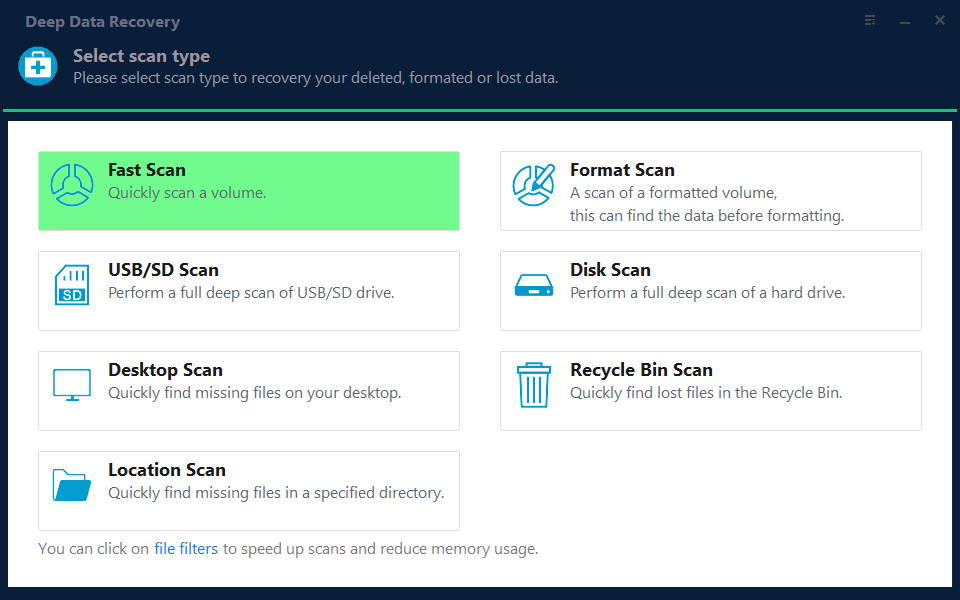
Note: You can choose different search modes based on where and why the data was lost.
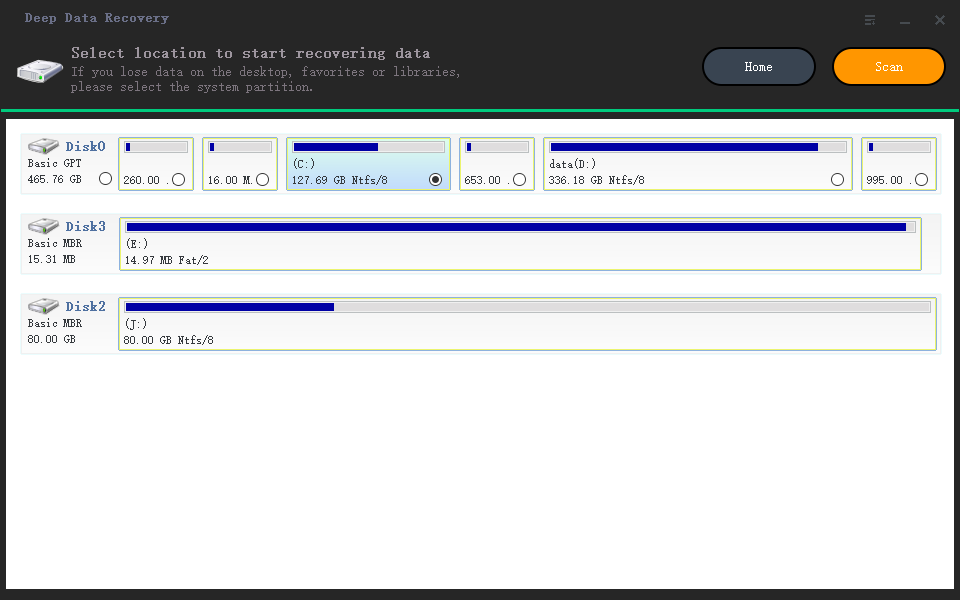
Step 2. The location where your important data & files were deleted should be selected, and then the "Scan" button should be clicked.
Step 3. The software will perform both a quick scan and a deep scan on the selected volume, working diligently to identify as many deleted files as possible.
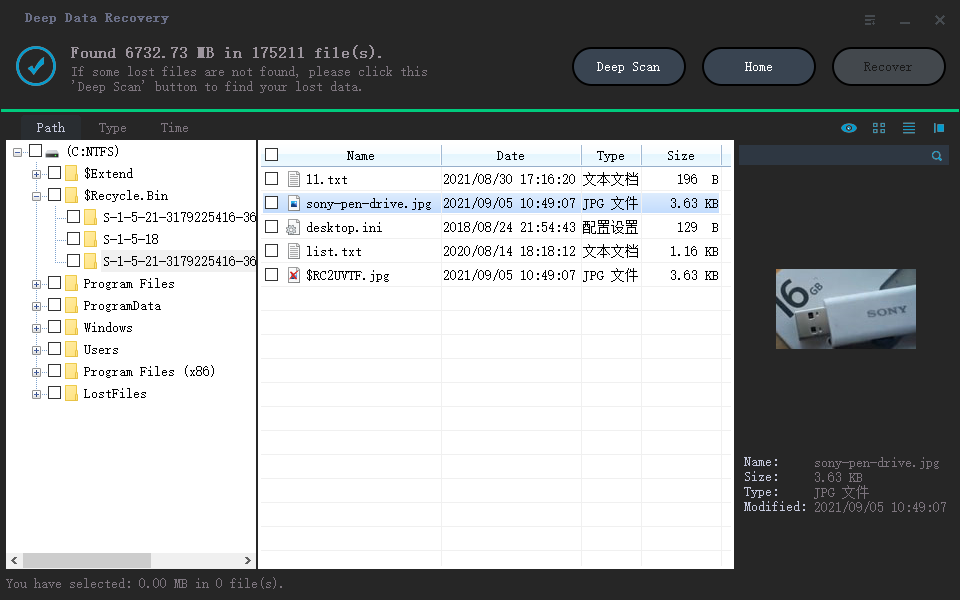
Step 4. The scan results will be displayed in the left pane. Select the desired file(s) and click the "Recover" button to retrieve them.
2. Recover Deleted iWork Files on Mac with iCloud
If you've enabled Pages, Numbers, and Keynote in iCloud, you might be able to recover deleted iWork files if the deletion was recent. This method requires that the file deletion time is short, as files stored in iCloud will keep up to date with your Mac. By following the guide, you can try to recover your deleted iWork files from iCloud.
Step 1. Sign in to iCloud.com with the Apple ID you used on the Mac.
Step 2. Click the Pages, Numbers, or Keynote icon.
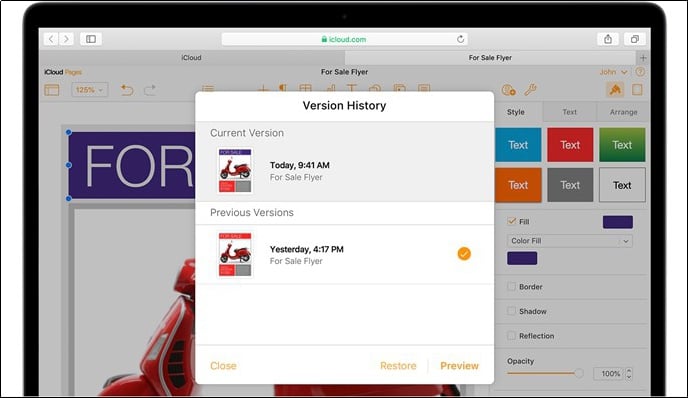
Step 3. Open the file you want to restore and click the tool button.
Step 4. To recover a previous version of a file, click on "Browse All Versions" in the file's properties, select the desired version, and click "Restore".
3. Recover Deleted iWork Files with Time Machine
If you don't have an iCloud backup but have enabled Time Machine, you can try to recover the iWork files from your Mac backups, but this will require recovering a whole backup, which can be a lengthy process. To do this, ensure that the Time Machine backup disk is connected to your Mac.
Step 1. Open Migration Assistant on your Mac, which in the "Utilities" folder of your Applications folder. Select the option to transfer your information to the new Mac, and then select the option to erase the Mac you are transferring from.
Step 2. Choose to transfer your information from a Mac, Time Machine backup, or startup disk.
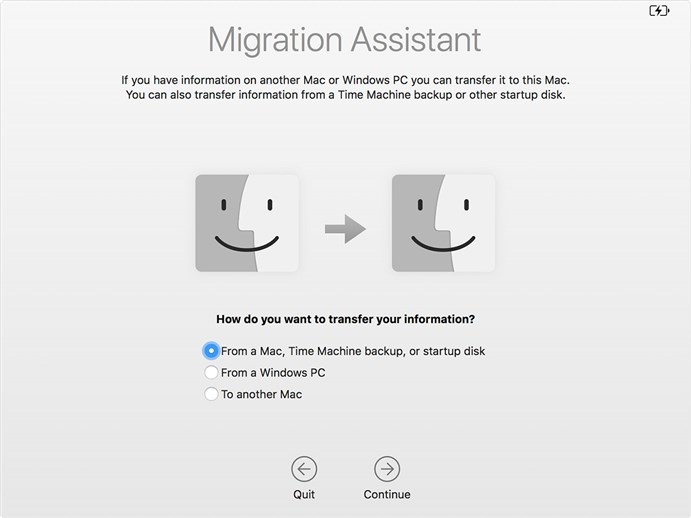
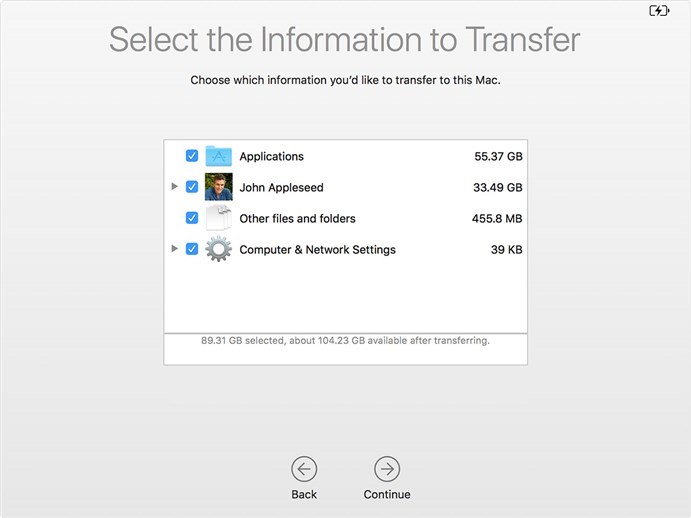
Step 3. Select the Time Machine backup that contains the iWork files you want to recover, ensuring they are included in the backup, and then click "Continue".
Step 4. Click on the "Restore" button to start the restore process. This will transfer the selected information to the device.
The time it takes to complete a backup depends on the size of your backup, and can sometimes take several hours.
The Bottom Line
This page allows you to recover corrupted iWork files, and Deep Data Recovery for Mac is a tool that can also recover lost content, including deleted iWork files, lost audio files, and data after OS faults or partition formatting.
Related Articles
- How to Recover HFS, HFS+ Partition Data on Mac
- [Free] Deep Data Recovery for Mac 11.8 Torrent/Serial Key
- Proven Ways | Recover Deleted Time Machine Backup
- How to View Pictures from SD Card on MacBook
- Microsoft File Recovery Software – How to Use and 10 Best Alternatives
This article provides a comprehensive guide to using Microsoft File Recovery and alternative software for data recovery, walking you through the entire process to recover lost files. - Best Prosoft Data Rescue Alternative Free Download
Prosoft Data Rescue is a powerful tool for recovering lost or deleted data on a computer, but users may be looking for alternative software options.
Products
Articles & Tutorials
- Data Recovery
- Data Backup
- File Recovery
- File Backup
- System Backup and Restore
- Disk and Partition Clone
- Technical articles
- Mobile articles
- Disk Master Help
- Windows Data Recovery Tutorials
- Windows Secure Delete Tutorials
- Windows Partition Management Tutorials
- Windows File Backup and Restore Tutorials
- Windows System Backup and Restore Tutorials
- Windows Disk Backup and Restore Tutorials
- Windows Clone Tutorials