How to Transfer Stuff from One iPhone to Another in 6 Ways
Quick Navigation:
- Part 1. How to Transfer Stuff from One iPhone to Another
- Method 1. Transfer Stuff from iPhone to iPhone with Qiling MobiMover
- Method 2. AirDrop Data from One iPhone to Another
- Method 3. Sync Photos from One iPhone to Another via iCloud
- Part 2. How to Transfer Everything from One iPhone to Another
- Method 1. Transfer Data from Previous iPhone to New iPhone via Quick Start (for iOS 12.4 and later)
- Method 2. Sync Data from Old iPhone to New iPhone via iCloud Backup
- Method 3. Transfer Data from One iPhone to Another via iTunes Backup
- The Bottom Line
Applies To: iPhone or iPad running iOS 8 and later
Transferring data from one iPhone to another can be done in six ways, which also apply to other iOS/iPadOS devices. These solutions include using professional iOS data transfer software, AirDrop, iCloud, iTunes, or Quick Start, providing alternatives to move iOS data whether it's a full transfer or just copying specific files from one device to another.
If you're moving data from an old iPhone to a new one that you've already set up, you can use the Quick Start feature in iOS. This allows you to transfer your data, settings, and even some apps directly from your old device to your new one.
Part 1. How to Transfer Stuff from One iPhone to Another
You can transfer files to an iPhone without using iTunes or iCloud, which prevents overwriting existing content and potential data loss. This method also allows for selective file transfer between iPhones, unlike syncing with iTunes or iCloud backup.
Given that, I recommend you to try one of the three ways below.
Method 1. Transfer Stuff from iPhone to iPhone with Qiling MobiMover
Qiling MobiMover is a tool that helps transfer data from one iPhone to another, including photos, videos, music, contacts, and more, without deleting existing files on the target device, allowing for either a full transfer or selective transfer of specific files.
To transfer stuff from one iPhone to another:
Step 1. Connect two iPhones to your computer with compatible USB cables and tap "Trust This Computer" on the devices. Run Qiling MobiMover, navigate to "Phone to Phone", determine the direction of transfer and click "Next" to continue.
Step 2. With MobiMover, you can easily transfer various types of files from one iPhone to another without using iCloud. Simply choose the desired data, click "Transfer", and the process will be completed hassle-free. Note that if you're trying to transfer data types like Contacts, Notes, or Messages, you'll need to turn off their iCloud services first.
Step 3. Wait patiently until the syncing process is finished, then check the content in the related applications.
Qiling MobiMover is a tool that not only transfers data from one iPhone to another but also allows you to transfer files between your iPhone and computer, download videos from popular websites, and back up your iPhone data to a computer.
Method 2. AirDrop Data from One iPhone to Another
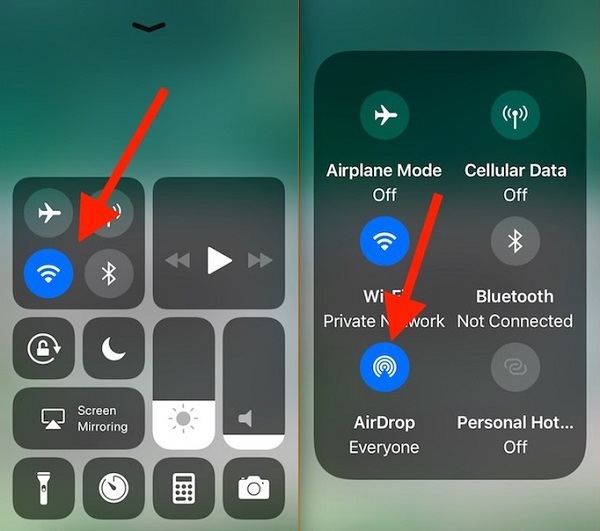
AirDrop is a built-in feature on Apple iOS devices and Macs that allows users to transfer files between two Apple devices using Bluetooth and Wi-Fi.
Step 1. To set up the Airdrop settings on two iPhones, go to "Settings" > "General" > "Airdrop" on each device, and ensure the target device is set to receive files from "Contacts" or "Everyone".
Step 2. Turn on Bluetooth and Wi-Fi on the two iPhones. Make sure the two iPhones are close to each other and the personal hotspot is not on either of the devices.
Step 3. To share files, select the files you want to transfer, such as photos, and click the "Share" button.
Step 4.To share files using AirDrop, click the "AirDrop" icon and select the target device by tapping its icon.
Step 5. On the target iPhone, click "Accept" to receive files. The selected files will be sent to the target device in seconds.
Method 3. Sync Photos from One iPhone to Another via iCloud
iCloud is a cloud storage service provided by Apple that allows you to sync various data such as photos, contacts, and calendars across your Apple devices. By enabling iCloud on both iPhones, you can transfer data, like photos, from one device to another.
Step 1. To sync apps with iCloud, go to your iPhone's "Settings" app, select your name, and then choose "iCloud". From there, you can turn on iCloud sync for the apps that you want to get data from.
Step 2. I've signed into both devices with the same Apple ID and password.
Step 3. The photos will be synced to iCloud over WiFi, and once done, you can check the data on the target iPhone.
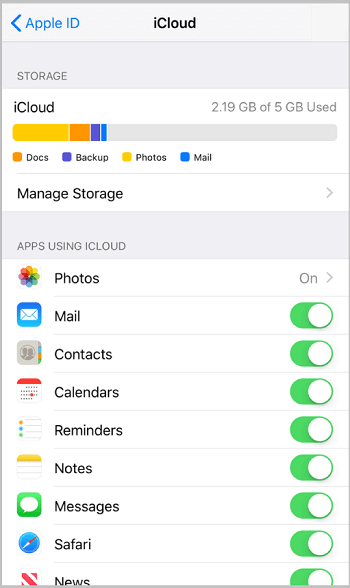
iCloud only offers 5GB of free space, which may not be sufficient for everyone. To free up more space, you can either free up iCloud space or purchase extra iCloud storage. Alternatively, you can also consider transferring data from one iPhone to another using other methods.
If you're not setting up a new iPhone, you can transfer data from one iPhone to another using three methods. However, if you're setting up a new iPhone and want to transfer data during the process, there are alternative methods available.
Part 2. How to Transfer Everything from One iPhone to Another
If you've just gotten a brand new iPhone, you can easily transfer all your data from your old iPhone to the new one using Quick Start, iCloud backup, or iTunes, making the transition to your new phone a seamless experience.
Method 1. Transfer Data from Previous iPhone to New iPhone via Quick Start (for iOS 12.4 and later)
If your devices are running iOS 12.4 or later, you can use the iPhone Migration feature Quick Start to set up your new iPhone quickly.
To transfer everything from one iPhone to another wirelessly with Quick Start, start by setting up the new iPhone and following the on-screen instructions until you reach the "Quick Start" screen. Then, on the old iPhone, go to Settings > General > Quick Start and select your new iPhone from the list of available devices.
Step 1. To transfer data from your old iPhone to your new iPhone, turn on Bluetooth on your previous iPhone and turn on your new iPhone. This will allow the devices to communicate with each other and initiate the transfer process.
Step 2. To set up your new iPhone, place it near your old iPhone, and the Quick Start screen will appear on your old iPhone, giving you the option to use your Apple ID to set up your new device.
Step 3. Make sure that's the Apple ID you want to use and click "Continue" to proceed with the next step.
Step 4. To transfer data from an old iPhone to a new one, hold the old iPhone over the new one, center the animation in the viewfinder, and then follow the on-screen instructions to finish the transfer.
Step 5. Enter the passcode of the other iPhone on your new iPhone.
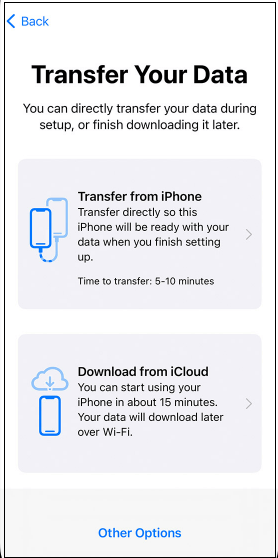
Step 6. To set up FaceID or Touch ID on your new device, follow the on-screen instructions and click "Continue". You will then be prompted with the option to transfer data from your old iPhone and download data from iCloud.
Step 7. To set up your new iPhone, choose the option "Transfer from iPhone" and follow the on-screen instructions to complete the setup. Once set up, your new iPhone will automatically start transferring data from your old iPhone, displaying a message like "Transfer Data From [Apple ID]." This process will copy over your contacts, photos, messages, and other data from your old iPhone to your new one.
Step 8. When the transfer is complete, your apps and data will continue to download in the background. Once everything is downloaded, your new iPhone will have all the information from your old iPhone.
Method 2. Sync Data from Old iPhone to New iPhone via iCloud Backup
To transfer all data from an old iPhone to a new iPhone using iCloud backup, ensure you have enough iCloud storage and turn on iCloud backup on your source iPhone by going to "Settings" > [your name] > "iCloud" > "iCloud Backup."
After making a backup, transfer everything from one iPhone to another by following these steps. First, ensure both iPhones are running the latest software.
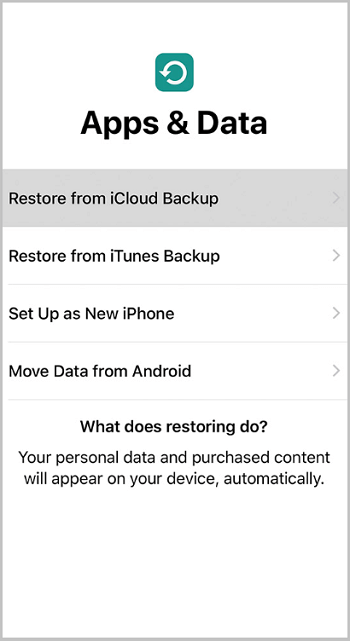
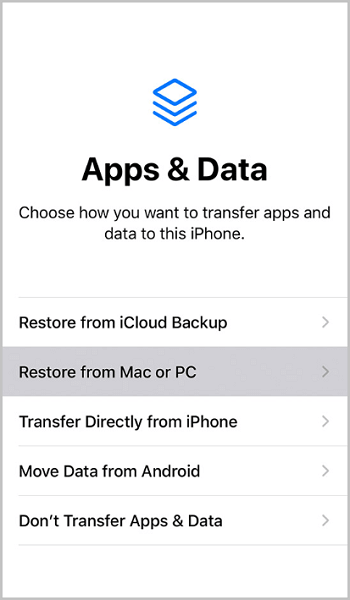
Notes: To restore a new iPhone from an iCloud backup, you need to enter the App & Data screen during setup, allowing you to restore from a backup. If you're setting up an existing iPhone, you'll need to erase it and then sync data from an iCloud backup.
Step 1. Turn on your new device and follow the on-screen steps until you see the Wi-Fi screen.
Step 2. To set up your new iPhone, connect to a Wi-Fi network and continue through the setup process until you see the App & Data screen.
Step 3. Choose "Restore from iCloud Backup."
Step 4. If you're setting up a new iPhone, go to Settings > [your name] > Sign in with your Apple ID. If you're setting up a new iPad or iPod touch, go to Settings > Sign in with your Apple ID.
Step 5. To restore an iCloud backup, choose the desired backup, wait for the process to complete, and the data will be restored to your new iPhone.
Method 3. Transfer Data from One iPhone to Another via iTunes Backup
To transfer data from one iPhone to another using iTunes, back up the data on the first iPhone to iTunes, then restore the backup to the new iPhone via iTunes. This process will erase any data on the new iPhone, so be sure to back up any important information on the new device before proceeding.
Step 1. Connect your old iPhone to your computer using USB.
Step 2. In iTunes, click the "Device" button and click "Summary."
Step 3. To start backing up your old iPhone, click the "Back Up Now" button. This will initiate the backup process, ensuring your data is safely transferred to your new device or cloud storage.
After making a backup of your iPhone, you can transfer your data to your other iPhone by following these steps: once the backup is made, open the Settings app on your new iPhone and tap "Restore from iTunes Backup" or "Restore from iCloud Backup." You'll be prompted to enter your Apple ID and password to authenticate the backup.
Step 1. On the other iPhone, follow the setup steps until you see the Apps & Data screen, skipping it if you're not transferring data to a new iPhone.
Step 2. To restore your iPhone data from a previous backup, choose "Restore from Mac or PC" and connect your new iPhone to the computer that was used to back up your old iPhone data. This will allow you to transfer your data from the old iPhone to the new one.
Step 3. In iTunes, click the "Device" tab and then click"Restore Backup."
Step 4. Choose the backup you've just made and wait for the process to finish. (If you have encrypted the backup, you will need to enter the password before the restoring process.)
Step 5. Finish the rest of the setup steps.
You can check the difference between an iCloud backup and an iTunes backup here.
The Bottom Line
The solution for transferring data from one iPhone to another depends on whether the new iPhone has been set up. If it has, you can use software like Qiling MobiMover, AirDrop, or iCloud to transfer data. If the new iPhone hasn't been set up yet, using Quick Start, iCloud backup, or iTunes backup is recommended.
Carry out the way best suited to your needs.
Related Articles
- iPhone Media Transfer Software Download for Free
- [Guide]How to Sync Photos from iPhone to Mac in 5 Ways
- 2 Simple Ways to Print Notes from iPhone
- [3 Tips]How to Transfer Videos from iPhone 8/8 Plus to PC without Cost
Products
Articles & Tutorials
- Data Recovery
- Data Backup
- File Recovery
- File Backup
- System Backup and Restore
- Disk and Partition Clone
- Technical articles
- Mobile articles
- Disk Master Help
- Windows Data Recovery Tutorials
- Windows Secure Delete Tutorials
- Windows Partition Management Tutorials
- Windows File Backup and Restore Tutorials
- Windows System Backup and Restore Tutorials
- Windows Disk Backup and Restore Tutorials
- Windows Clone Tutorials