Safely Upgrade Android Nougat 7.0 to Android Oreo 8.0 without Losing Data
Summary
To safely upgrade your Android phone or tablet from Nougat 7.0 to Oreo 8.0 without losing any data, follow these reliable methods. By doing so, you'll be able to enjoy the new features of Android Oreo 8.0 on your device right away. Just follow the steps to get your device ready and you'll be all set for the upgrade.
Useful tips of Android Oreo 8.0 update for you to follow

Before upgrading to the latest Android OS 8.0 on your Android phone, consider the following tips:
Tip 1. Check out whether your devices can get latest Android O 8.0 update
To determine if your device is eligible for the latest Android 8.0 update, check your device's settings. Look for the "About phone" or "About device" option, and then select "System update" or "Software update". If an update is available, you'll see a notification or a button to download and install it.
Android devices that will receive the official Android Oreo 8.0 update include a list of expected devices, which can be checked to see if your device is included.
Google:
- Nexus 5X
- Nexus 6P
- Google Pixel
- Google Pixel XL
- Google Pixel 2
- Google Pixel C
- Google Nexus Player
Samsung:
- Samsung Galaxy S8(G950F, G950W)
- Samsung Galaxy Note 8 (Upcoming)
- Samsung Galaxy S8 Plus(G955,G955FD)
- Samsung Galaxy S7 Edge(G935F, G935FD, G935W8)
- Samsung Galaxy S7(G930FD, G930F, G930, G930W8)
- Samsung Galaxy A3(A320F)
- Samsung Galaxy A5(A520F)
- Samsung Galaxy A7(A720F, A720DS)
- Samsung Galaxy A8(A810F, A810DS)
- Samsung Galaxy C9 Pro
- Samsung Galaxy J7v
- Samsung Galaxy J7 Max
- Samsung Galaxy J7 Pro
- Samsung Galaxy J7 Prime(G610F, G610DS, G610M/DS)
- Samsung Galaxy A9 (SM-A9100)
- Samsung Galaxy A7 (A710F, A710DS)
- Samsung Galaxy A5 (A510F, A510F)
- Samsung Galaxy A8 (A810F, A810DS)
- Samsung Galaxy Note FE
Motorola:
- Moto G5 Plus( XT1684, XT1685, XT1687)
- Moto G5( All Models)
- Moto G4 Plus( All models)
- Moto G4( All models)
- Moto Z( XT1635-03)
- Moto Z2 Play
- Moto Z Play
- Moto Z Style
- Moto Z Force
LG:
- LG G6
- LG G5
- LG V30 (Upcoming)
- LG V20(H990DS, H990N, US996, All carrier models supported as well)
- LG V10(H960, H960A, H960AR)
- LG Nexus 5X (Developer Preview available to download)
- LG Q8
- LG Q6
- LG X Venture
- LG Pad IV 8.0
HUAWEI:
- Huawei P10( VTR-L09, VTRL29, VTR-AL00, VTR-TL00)
- Huawei P10 lite (Lx1, Lx2, Lx3)
- Huawei Honor 9(AL00, AL10, TL10)
- Huawei P8 Lite / P9 Lite / Honor 8 Lite / Nova Lite / GR3
- Huawei Y7 Prime (Controversial)
- Huawei Nova 2(PIC-AL00)
- Huawei Nova 2 Plus(BAC-AL00)
- Huawei Honor 8 Pro
- Huawei P10 Plus
- Huawei Mate 9 Porsche Design
- Huawei Mate 9
- Huawei Mate 9 Pro
- Huawei Nexus 6P
Other Android devices producers such as Asus, Acer, Lenovo, Sony, HTC, Nokia etc also have relative devices for getting this Android 8.0 update.
Note: If you don't receive this update, please wait patiently.
If your Android phone or tablets are not included for Android 8.0 update, don't worry, you can either choose to wait for the second round update release or directly download and install the factory image from Method 1 on this page.
Tip 2. Get Android phone/tablets ready for Android Oreo 8.0 update
To ensure your Android device is ready for the new OS update, check for available storage space, battery health, and any pending updates or security patches. Additionally, review your device's hardware and software specifications to confirm compatibility with the new OS.
1. Backup important data first
To avoid unexpected data loss due to Android OS upgrades, it's recommended to back up important data like contacts, messages, videos, and photos in advance.
To backup Android data, you can choose to store it in the Cloud or directly on your PC. We recommend using a powerful Android backup tool to effectively backup your data onto your PC or another secure drive with simple clicks.
Connect your Android device to your PC, launch the software, and let it scan your device. Once the scan is complete, you can preview the selected data, choose what you want to export, and transfer the data to your PC or another drive.
2. Leave enough space for Android 8.0 update
After backing up your data to your PC, you can delete any unnecessary files and data to free up space for the Android 8.0 update.
3. Connect Android devices to WiFi;
4. Leave about 60% battery for Android 8.0 update.
The latest Android 8.0 update can now be installed and gained after this.
How to update to Android Oreo 8.0?
Securely download and upgrade Android 7.0 to 8.0
To update your Android device from 7.0 to 8.0, you can follow two reliable methods. The first method involves downloading and installing the latest Android 8.0 upgrade, which can be done through your device's settings or by using a reliable third-party app. The second method allows you to manually update your device by following specific steps, which can be found online or through your device's manufacturer's website.
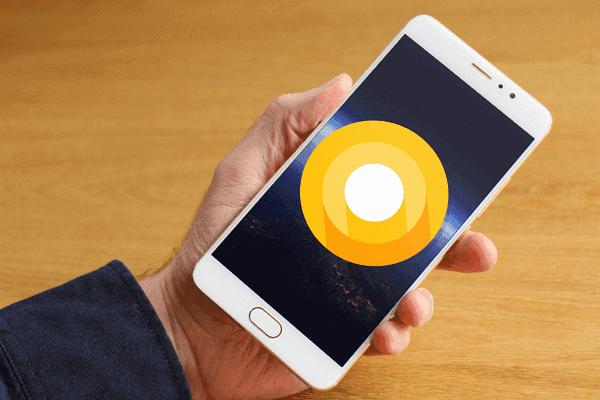
Method 1. Upgrade Android Nougat 7.0 to Android Oreo 8.0 by OTA
If your devices are available for Android 8.0 upgrade now, you can directly update Android 7.0 to 8.0 through OTA.
- Once again:
- To avoid losing your personal data, back up your files before updating your Android 8.0 operating system. This will ensure that your saved data remains safe during the update process.
1. To access the About Phone option, go to Settings, scroll down, and select the About Phone option.
2. To check for the latest Android system update, tap on "About Phone" and then select "System Update" from the menu.
3. If your Android device is running on Android 6.0 or earlier, please update to Android 7.0 first before upgrading to Android 8.0.
4. Once your devices check out that the latest Oreo 8.0 is available, you can click Update Now to download and install Android 8.0 directly.
5. To resolve the issue, you need to wait for the new update to automatically install on your phone.
Method 2. Manually download Android Oreo 8.0 factory image and upgrade to Android 8.0
If your devices didn't find new Android update, don't worry. You may also try to click below link to download Android O factory image as a developer now.
Download Android O 8.0 Factory Image
To install Android O 8.0 on your phone, you can manually flash your device. This process involves using a computer and specific software to install the Android O 8.0 system image.
- Notice
- This method would completely erase all data from the device, so it's essential to back up your data using the Android backup tool before proceeding.
What's new in Android 8.0? Enjoy new features of Android 8.0
Android 8.0, also known as Oreo, introduces several new features, including improved performance, battery life, and security. The operating system also includes a redesigned interface, with a focus on simplicity and ease of use. Additionally, Android 8.0 introduces a feature called "Picture-in-Picture" (PiP), which allows users to watch videos while still being able to use other apps.
- Improved customized notifications;
- Picture In Picture mode should enable multiple applications like Netflix and YouTube to continue playing in a minimized state, allowing users to multitask while still viewing their content.
- Smart Text Selection allows users to quickly select relevant text, such as addresses or phone numbers, by double tapping on the entire text. This feature streamlines the process of copying or sharing specific information, making it more efficient for users to interact with digital content.
- Better cache handling;
- Auto-Fill;
- Improved Sound Quality: High-Bluetooth audio codecs have revolutionized the way we listen to music wirelessly, significantly enhancing sound quality.
- Improved adaptive icons.
Android 8.0, also known as Oreo, has been released with a variety of new features and improvements. Some of the notable features include a redesigned interface, improved performance, and enhanced security.
Related Articles
- How to Recover Deleted Videos on Android with Video Recovery App
- Android 6.0 Marshmallow Update Without Losing Data
- Samsung Note 4 Data Recovery
- How to Recover Photos After Formatting Android
Products
Articles & Tutorials
- Data Recovery
- Data Backup
- File Recovery
- File Backup
- System Backup and Restore
- Disk and Partition Clone
- Technical articles
- Mobile articles
- Disk Master Help
- Windows Data Recovery Tutorials
- Windows Secure Delete Tutorials
- Windows Partition Management Tutorials
- Windows File Backup and Restore Tutorials
- Windows System Backup and Restore Tutorials
- Windows Disk Backup and Restore Tutorials
- Windows Clone Tutorials