Create a Windows XP Bootable USB and Protect Old Data
Create a Windows XP bootable USB for repair or installation, check BIOS legacy settings, and back up old XP files before changing the disk.
Overview
Windows XP was designed for CD installation, so creating a bootable USB can be harder than making Windows 10 or Windows 11 media. Older PCs may also require Legacy BIOS, IDE/AHCI driver preparation, and a compatible USB format.
Before you repair or reinstall XP, back up the old disk because many XP systems contain irreplaceable documents or legacy software data.
What to Prepare First
- Prepare a Windows XP ISO or installation files that you are licensed to use.
- Use a small USB drive and expect it to be formatted.
- Check whether the target PC supports USB boot.
- Back up files from the old XP disk before reinstalling.
Use Windows Built-in Tools First
On a modern PC, use a trusted USB creation tool that supports Windows XP and legacy boot. Then enter BIOS, enable Legacy USB boot, and place the USB drive before the hard disk.
If setup cannot see the hard drive, the PC may need SATA/AHCI drivers or IDE compatibility mode.
Create Bootable Media with Qiling Disk Master
Bootable media helps when Windows cannot start or when you need to restore an image to a blank drive. For a Windows installation USB, use official Windows setup files; for backup recovery, use Qiling bootable media.
Step 1. Insert an empty USB drive. Back up files on it because the bootable media process may format the USB drive.
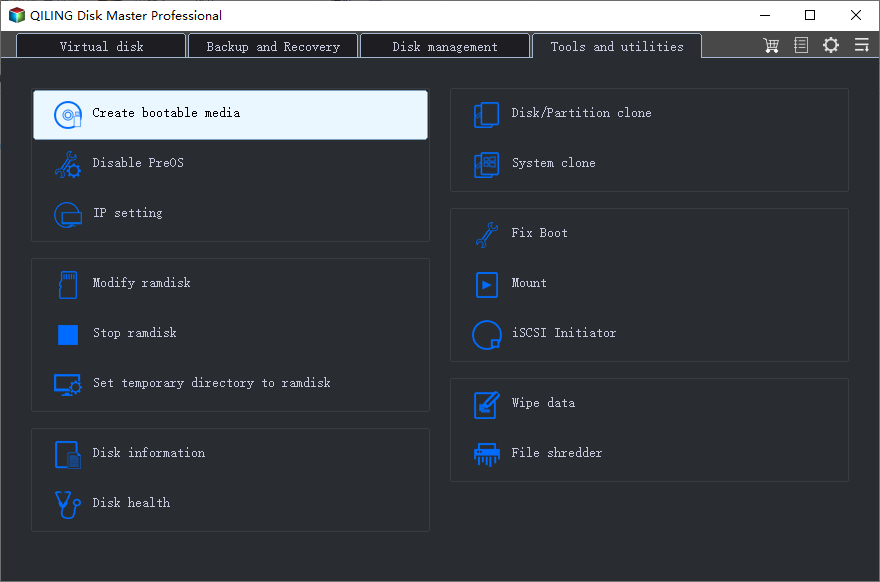
Step 2. Open Qiling Disk Master and choose Create Bootable Media.
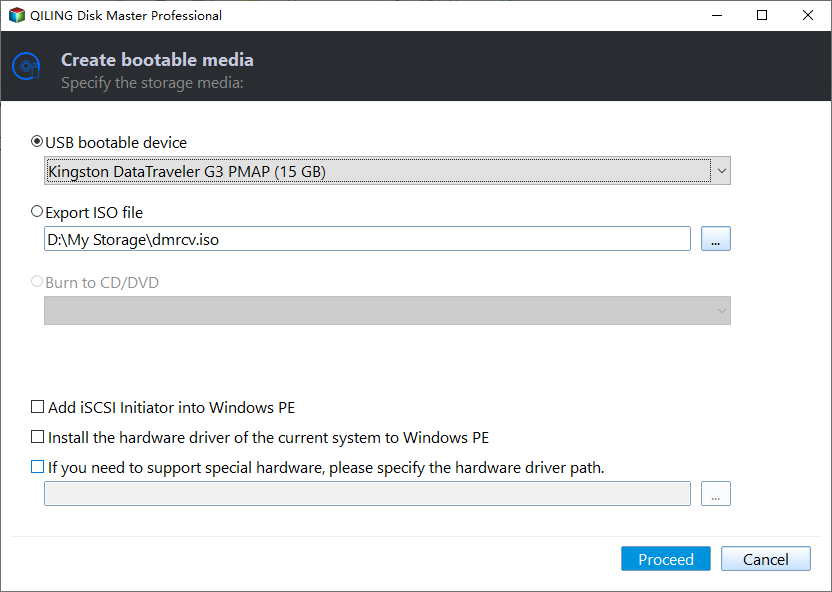
Step 3. Choose USB as the media type and select the correct USB drive.
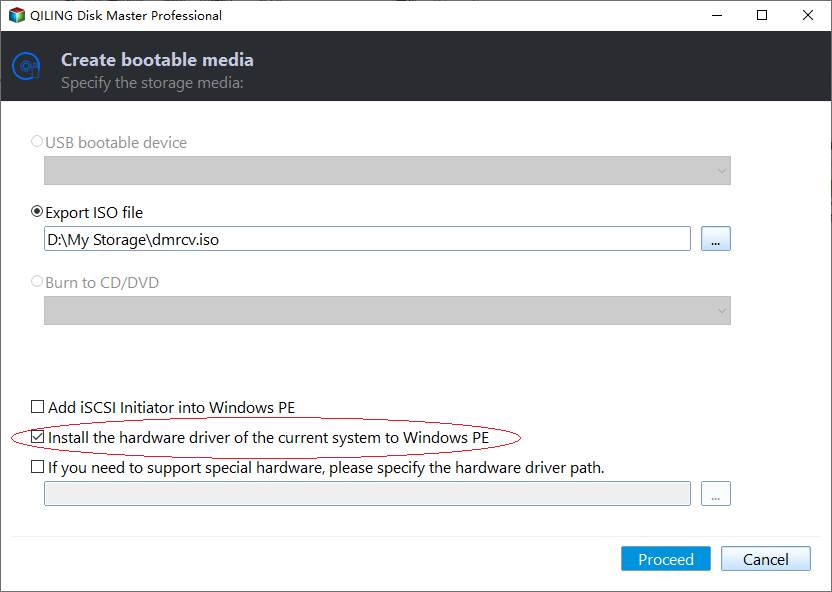
Step 4. Add storage or network drivers if the target computer needs them to detect disks or NAS locations.
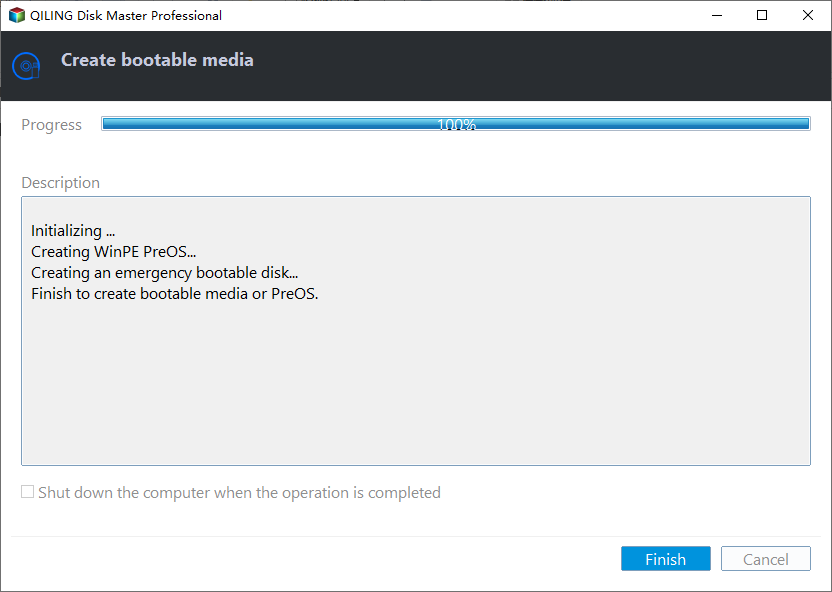
Step 5. Create the media and wait until the process finishes. Then restart the target PC and set the USB drive as the first boot device in BIOS or UEFI.
Troubleshooting Tips
- If the USB does not boot, try another USB port and confirm Legacy boot is enabled.
- If XP setup reports no hard disk, check SATA mode or add storage drivers.
- If you only need old files, remove the disk and back it up from another Windows PC instead of reinstalling immediately.
FAQ
Should I back up before following these steps? Yes. If the disk is readable and the files matter, create a backup before cloning, repairing, formatting, resetting, or changing hardware.
Can I use Windows built-in tools only? Use built-in tools for simple file copy, restore points, File History, Disk Management, and Windows setup. Use Qiling tools when you need a clearer disk map, bootable recovery media, scheduled backup, or disk clone workflow.
Will these operations erase my target drive? Cloning, restoring an image, formatting, and creating some bootable media can overwrite the target drive. Read the warning message and confirm the disk number before clicking Proceed.
Conclusion
A Windows XP bootable USB is still useful for repair, but data safety comes first. Back up the old disk, then prepare USB boot settings and storage drivers carefully.
Related Articles
- Windows System Backup and Restore Tutorials
Browse Windows backup and restore guides for system images, recovery drives, restore points, and safe repair preparation. - Windows Disk Backup and Restore Tutorials
Find Windows disk backup, SSD image backup, external drive backup, and restore tutorials with practical Qiling workflows. - Windows Clone Tutorials
Review Windows cloning guides for system migration, disk clone, SSD upgrade, and safe boot preparation.
Products
Articles & Tutorials
- Data Recovery
- Data Backup
- File Recovery
- File Backup
- System Backup and Restore
- Disk and Partition Clone
- Technical articles
- Mobile articles
- Disk Master Help
- Windows Data Recovery Tutorials
- Windows Secure Delete Tutorials
- Windows Partition Management Tutorials
- Windows File Backup and Restore Tutorials
- Windows System Backup and Restore Tutorials
- Windows Disk Backup and Restore Tutorials
- Windows Clone Tutorials