How to Reformat a Windows 10 PC Safely
“Reformat Windows 10” can mean resetting the PC or wiping the system partition during a clean installation. Both can remove apps and data, so decide which result you need before clicking any destructive option.
Choose reset or clean installation
Reset this PC reinstalls Windows and offers choices such as keeping personal files or removing everything. Keeping files is not a substitute for backup, and installed applications may still need reinstallation. A clean install from official media gives more control over partitions but can erase the wrong disk if you select it carelessly.
Before either route, record your Windows edition, activation status, account access, Wi-Fi details, and app installers or license information. If BitLocker is enabled, save the recovery key.
Back up before reformatting
- Inventory Desktop, Documents, Pictures, Downloads, project folders, browser exports, and files on other partitions.
- Back up to a separate external disk or trusted cloud location and open sample files from the backup.
- Disconnect unnecessary external storage before resetting or entering Windows Setup, so it cannot be selected by mistake.
Perform the Windows operation
For Reset this PC, open Settings, choose the Windows recovery/reset option, read the keep/remove choices, and confirm what will be affected. For a clean install, boot official installation media in the intended UEFI mode, choose Custom installation, identify the correct system disk by capacity, and remove or format only the partitions you explicitly intend to erase. Stop if the target is ambiguous.
After setup, install device drivers and updates, check activation, restore personal files, reinstall applications, and create a fresh backup. Do not erase the old backup merely because Windows starts.
Because Windows 10 reached the end of standard support in October 2025, consider a supported Windows version for a fresh installation if the hardware allows it.
Back Up Personal Files with Qiling Before Reformatting
Create this backup before any reset or format action. A file backup protects selected data but does not preserve installed applications.
Step 1. Connect a healthy external drive and open Qiling Disk Master. Under Backup and Recovery, choose File backup.
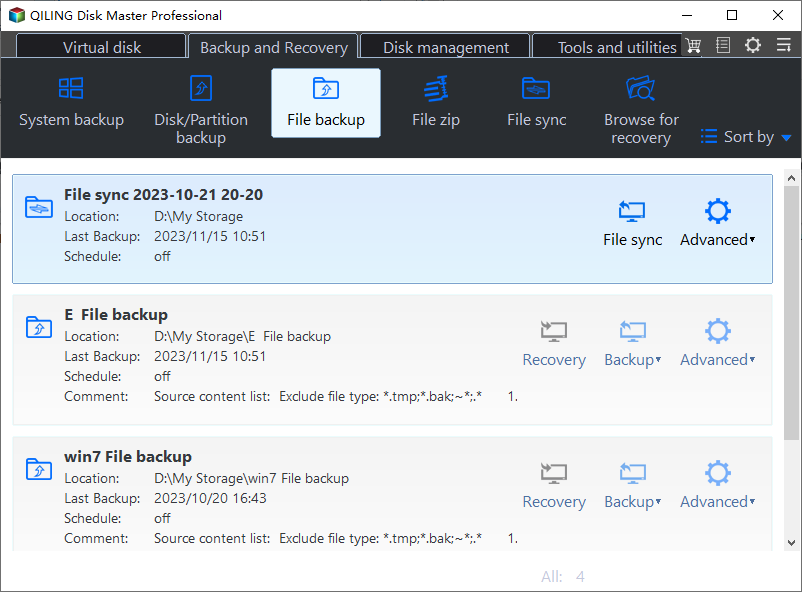
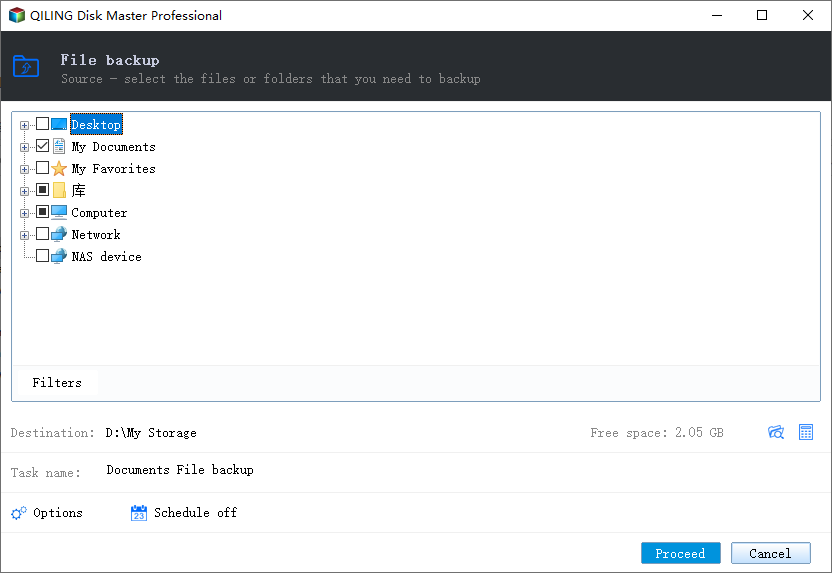
Step 2. In the folder tree, select every personal folder you need after reinstalling Windows. Expand folders and check the selected paths; there is no separate Add Folder button in this screen.
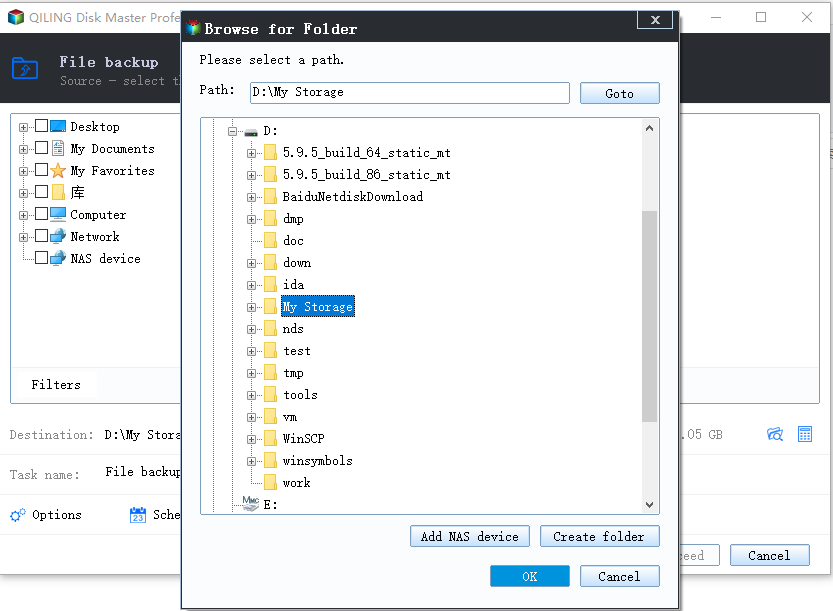
Step 3. Open the destination chooser, select a folder on a separate external drive, and click OK. Verify that the destination is not the same disk as the files being protected and has enough free space.
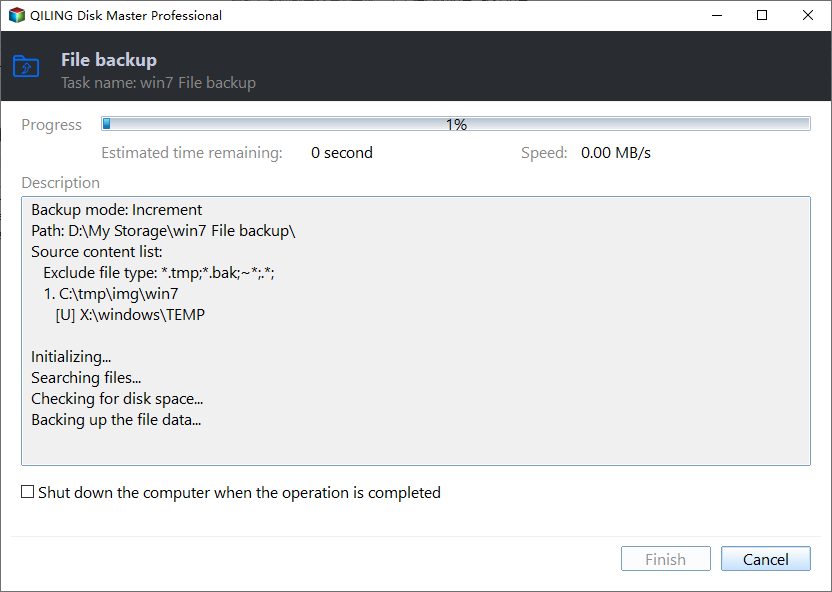
Step 4. Review the task name and selected folders, then click Proceed. Wait for the backup to finish. Open the backup location and verify a few files before entering Windows Reset or Setup.
Frequently Asked Questions
Does formatting C: erase D:? Not automatically, but selecting or deleting the wrong disk or partitions can. Identify the physical target carefully.
Can I recover apps from a file backup? No. Reinstall applications; a pre-existing full system image is needed to restore the earlier installed environment.
Conclusion
Back up and verify files first, choose the reset or installation path deliberately, and check the target disk before any format or deletion.
Related Articles
- Windows File Backup and Restore Tutorials
Choose a backup route for personal files and folders. - Windows System Backup and Restore Tutorials
Compare system image and recovery methods. - Windows Disk Backup and Restore Tutorials
Plan disk image backup and restore for Windows drives.
Products
Articles & Tutorials
- Data Recovery
- Data Backup
- File Recovery
- File Backup
- System Backup and Restore
- Disk and Partition Clone
- Technical articles
- Mobile articles
- Disk Master Help
- Windows Data Recovery Tutorials
- Windows Secure Delete Tutorials
- Windows Partition Management Tutorials
- Windows File Backup and Restore Tutorials
- Windows System Backup and Restore Tutorials
- Windows Disk Backup and Restore Tutorials
- Windows Clone Tutorials