Introduction to Gigabyte and Terabyte: How Many Gigabytes Are There in a Terabyte
Gigabytes and terabytes are commonly used terms that often leave people puzzled. While sharing files, downloading software, and uploading files, we frequently encounter these terms, but many of us are still unclear about their meanings. One of the most common questions is: How many gigabytes are there in a terabyte? This guide aims to provide a concise and easy-to-understand explanation of GBs and TBs, including the answer to this question, and is the perfect resource for those looking to learn more about these units of measurement.
What Is Gigabyte?
Gigabyte, commonly abbreviated as GB, is a widely used data measurement unit that we often encounter in our daily lives, such as when downloading software or buying hard disk drives. Understanding the concept of gigabytes in an intuitive way is now a good time, making it easier to grasp the meaning behind this term.
The term gigabyte is a combination of "giga" and "byte", where "giga" refers to one billion and "byte" is a unit of measurement for storage capacity, equivalent to eight bits. In simpler terms, one gigabyte is equivalent to 1,000,000,000 bytes, or 109 in decimal form.
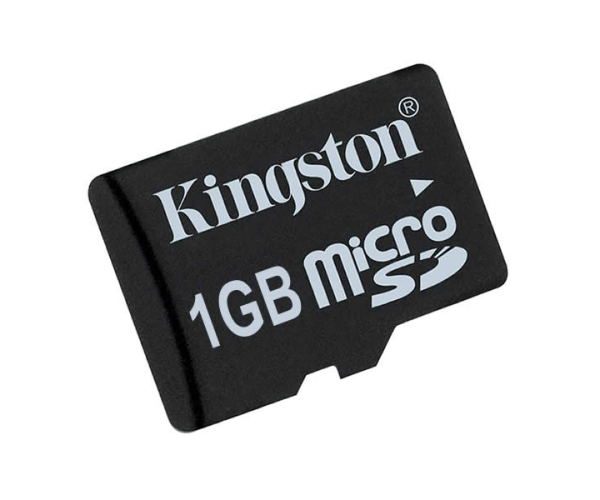
A gigabyte is equivalent to 1,073,741,824 bytes in binary form. It also consists of 1024 megabytes (MBs), and some sources claim it's 1024 times larger than a megabyte, while others say it's 1000 times larger. Both numbers are correct, as they refer to different ways of measuring digital storage. The 1024 figure is based on the binary system, while the 1000 figure is based on the decimal system. The key point is that a gigabyte is a large unit of digital storage, and understanding its size in different contexts can help clarify its meaning.
1 GB = 1,024 MB = 1,048,576 KB = 1,073,741,824 B
Gigabytes are used in various fields, including academics, science, engineering, data transmission, commerce, and computing. A notable example of a gigabyte in real-life is the storage capacity of smartphones, which often have gigabytes of storage to hold photos, videos, and apps.
Smartphones now typically feature storage in gigabytes, such as 64 GB, 128 GB, 256 GB, and so on. Devices like the iPhone 13 Pro come in different storage variants, including 128 GB, 256 GB, and 512 GB. Similarly, storage options like HDD, SSD, and Memory Cards also use gigabytes to measure their capacity.
What Is Terabyte?
1 terabyte is much larger than 1 gigabyte, consisting of over 1 trillion bytes, with 1 TB being equal to 1000 GBs in decimals and 1024 GBs in binary.
1 TB = 1,024 GB = 1,048,576 MB = 1,073,741,824 KB = 1,099,511,627,776 B
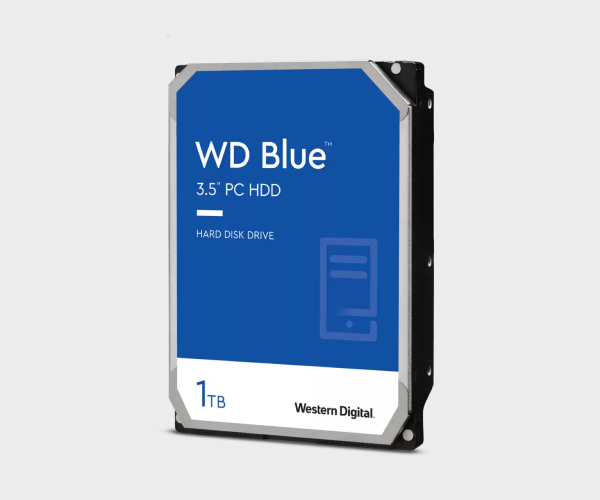
In everyday life, we often use the term terabyte (TB) to describe large storage capacities, such as a 1 TB hard drive (HDD) or solid-state drive (SSD), which contains a total of 1024 GBs of storage, making them a tangible example of terabytes in real life.
How Many GB Go in a Terabyte?
1 TB is equal to 1000 GB in decimal and 1024 GB in binary, with a terabyte being 1000 times larger than a gigabyte in decimal notation.
1 gigabyte is 1,073,741,824 bytes and 1 terabyte is 1,099,511,627,776 bytes.
The prefix of all data measurement units remains the same, 1024, but the suffix changes depending on the unit, such as 1024 KBs in a megabyte or 1024 MBs in a gigabyte.
Examples of Gigabyte and Terabyte
Smartphone storage is often measured in gigabytes, with many brands using this unit to represent the RAM that stores data. For example, iPhones frequently use gigabytes as a measurement, and having more GB of storage can make your smartphone perform faster. However, it's worth noting that the processor also plays a significant role in optimizing and utilizing that storage.
Here are six real-world examples of gigabytes:
- 700 Floppy Disks (2.8 MB each): 2GB
- DVD Movie Disc - 9.4 GB
- An HD Netflix Movie - 4 GB
- 250 Spotify Songs - 1 GB
- Adobe Photoshop CS6 32 bit- 1.13 GB
The term "terabytes" is commonly associated with computer storage, particularly with hard disk drives (HDDs) and solid-state drives (SSDs). Microsoft still utilizes terabytes to store various data efficiently, and you may have seen or purchased HDDs and SSDs in terabyte sizes. The preference for SSDs over HDDs lies in their blazing-fast speeds, which increase as the number of terabytes increases, ultimately enhancing the machine's speed and process completion.
Companies and website owners use servers to share and store data, often purchasing large amounts of terabytes to facilitate faster data transfer and save time.
When sharing data over the internet, terms like terabytes and gigabytes come into play. For example, when someone visits your website, the data stored on your server is transferred to the visitor's server over a public or local network. The speed of this data transfer depends on the amount of data being transferred, with larger amounts taking longer to transfer due to the availability of data transfer in bytes.
Here are six real-world examples of terabytes:
- 728,177 Floppy Disks - 1 TB
- 212 DVD Discs - 1.99 TB
- Seagate Expansion External HDD: 1 TB
- 130,000 Digital Photos - 1 TB
- Hubble Space Telescope Data Generation: 10 TB
1 TB is equal to 1024 GBs. Therefore, if you have 1 TB of storage, you can store the same amount of data as 1024 GBs. In other words, 1 TB is equivalent to 1024 GBs.
Final Thoughts
We learned from an in-depth article that a terabyte is significantly larger than a gigabyte. Specifically, one terabyte is equal to 1024 gigabytes, and one gigabyte is equivalent to 1024 megabytes. This clears up any confusion regarding the difference between these two terms. If you're interested in learning more, you can also check out our introduction on how many megabytes are in a gigabyte.
Related Articles
- What Is Cloud Computing? [Everything You Need to Know]
- Primary vs. Extended Partition | Compare Their Features and How to Manage Them
- What Is DRAM Memory? Dynamic Random-Access Memory Explained
- What Is A DMG File on Mac/Windows and How Do You Use It?
- What Is Hyper-V Monitoring [All You Need to Know]
Hyper-V monitoring is the process of tracking and analyzing the performance and health of a Hyper-V virtualization environment. Learn how to optimize resource utilization, detect issues, and improve system reliability. - Hyper-V vs. VMware: Which Is the Better Choice for You?
When it comes to choosing between Hyper-V and VMware for your virtualization needs, there are several factors to consider. Compare features, pricing, scalability, and security to find the best hypervisor for your business.
Products
Articles & Tutorials
- Data Recovery
- Data Backup
- File Recovery
- File Backup
- System Backup and Restore
- Disk and Partition Clone
- Technical articles
- Mobile articles
- Disk Master Help
- Windows Data Recovery Tutorials
- Windows Secure Delete Tutorials
- Windows Partition Management Tutorials
- Windows File Backup and Restore Tutorials
- Windows System Backup and Restore Tutorials
- Windows Disk Backup and Restore Tutorials
- Windows Clone Tutorials