How Can I Backup Files in Safe Mode
PAGE CONTENT:
If your system fails to boot, you can try Windows recovery options to restore it if you can load Windows 10/8/7 successfully. If not, handle the situation carefully.
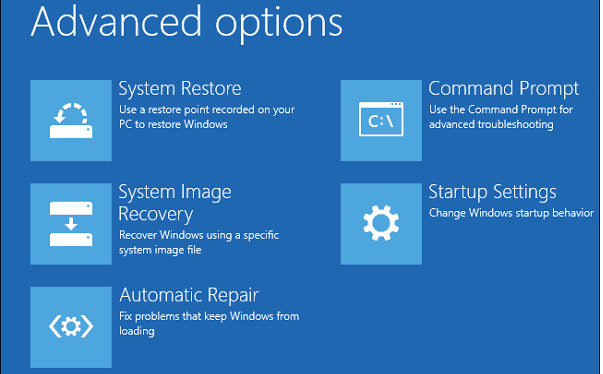
When your system can't boot Windows normally, you can try Safe Mode, a troubleshooting option that starts your computer in a limited state, only loading the basic files and drivers necessary to run Windows, which is useful for troubleshooting problems with programs and drivers.
To prevent data loss during system restoration, back up files in advance. Since most backup programs won't work in Safe Mode, use WBadmin commands instead, which are available in Windows 7, 8, and 10, allowing you to back up data via command prompt or PowerShell.
Steps to Back up Files in Safe Mode with the Help of Command Prompt
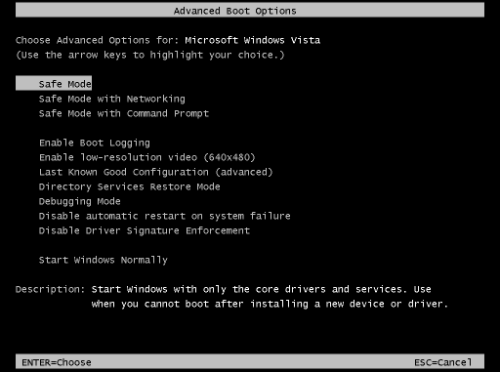
1. To enter the Advanced Boot Options menu, start your computer and press the F8 key repeatedly before the Windows logo appears.
To enter Safe Mode on Windows 10, click the start icon, select Settings, then Update & security, followed by Recovery, Restart now, Troubleshoot, Advanced options, Startup Settings, and finally Restart, then select Enable Safe Mode.
2. To access Safe Mode with Command Prompt, you will need to restart your computer and go to the Advanced Boot Options. From there, select Safe Mode with Command Prompt. This will allow you to access your computer in a minimal environment where you can run commands and troubleshoot issues.
3. To back up data on your computer, you can use the WBadmin command in the command prompt. For example, to back up all data on the C: drive to the F: drive, you would type "wbadmin get items -backupTarget:F:\backup -itemType:all" in the command prompt. This command will create a backup of all data on the C: drive and save it to the F:\backup folder.
Wbadmin start backup -backuptarget:F: -include:C:
To back up system drive and all the critical volumes, type the following: `dism /online /export-image:c:\backup\image /compress:winpe` and `robocopy c:\ /s /mir /x /r:3 /w:30 c:\backup\critical` and `robocopy c:\users\username\desktop\ /s /mir /x /r:3 /w:30 c:\backup\desktop` and `robocopy c:\users\username\documents\ /s /mir /x /r:3 /w:30 c:\backup\documents` and `robocopy c:\users\username\pictures\ /s /mir /x /r:3 /w:30 c:\backup\pictures` and `robocopy c:\users\username\videos\ /s /mir /x /r:3 /w:30 c:\backup\videos` and `robocopy c:\users\username\music\ /s /mir /x /r:3 /w:30 c:\backup\music` and `robocopy c:\users\username\downloads\ /s /mir /x /r:3 /w:30 c:\backup\downloads`.
Wbadmin start backup -backuptarget:F: -include:C: -allcritical
How to Back up Files When You Cannot Boot into Safe Mode
If your system won't boot or you can't enter safe mode, you can still back up your files without needing a working Windows system. To do this, you'll need a few things: a live USB drive or CD with a Linux distribution, a USB drive with enough space to store your backed-up files, and a computer with a working Linux system. With these tools, you can boot into a Linux environment and access your Windows files, allowing you to back up your important data.
- A working computer running Windows 10/8/7
- Qiling Backup is a professional backup utility that is easy to use. It allows users to select what they want to backup, such as their entire system, a disk, a partition, or specific folders, and create a backup in seconds.
- Create a backup drive or disc to save important data in case of a system failure.
Steps to back up files with file backup software:
Step 1: Download and Install Qiling Backup on the working computer. Click "Tools" - "Create bootable media".
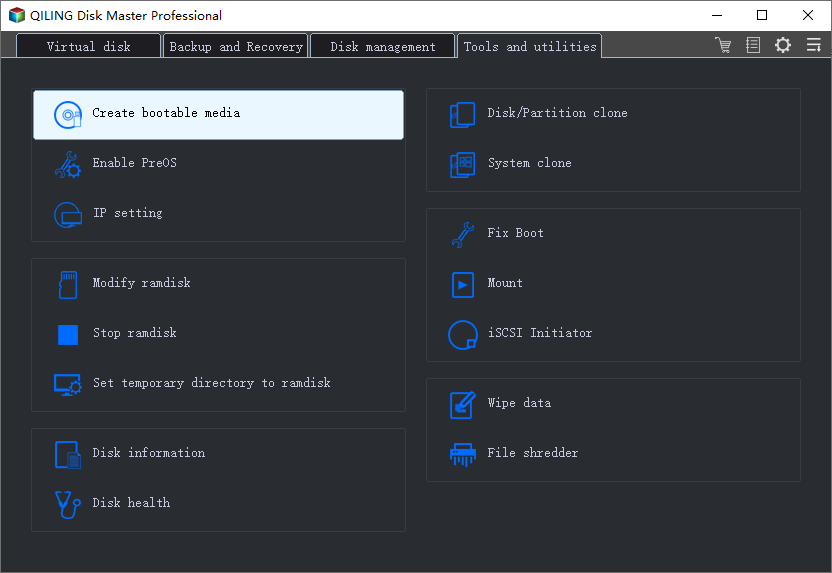
Follow the tool to create a Windows bootable media, adding disk, RAID, and network card drivers to ensure Qiling backup can recognize your hard disk or network drive in the WinPE environment.
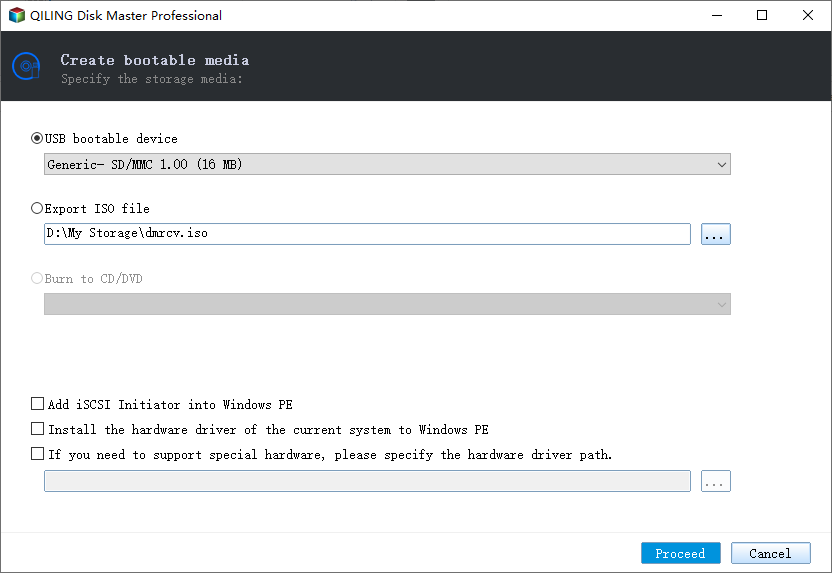
Step 2: When it's done, insert this emergency disk to the computer that needs backing up.
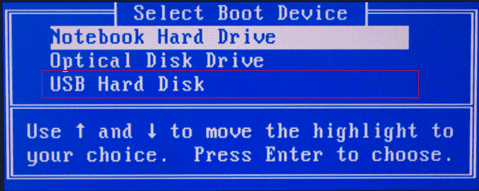
To resolve the issue, restart the PC and press F2/DEL to enter the BIOS settings. From there, change the boot sequence to prioritize the bootable disk containing the Qiling backup software, and then start the computer. The software should now run from the bootable disk.
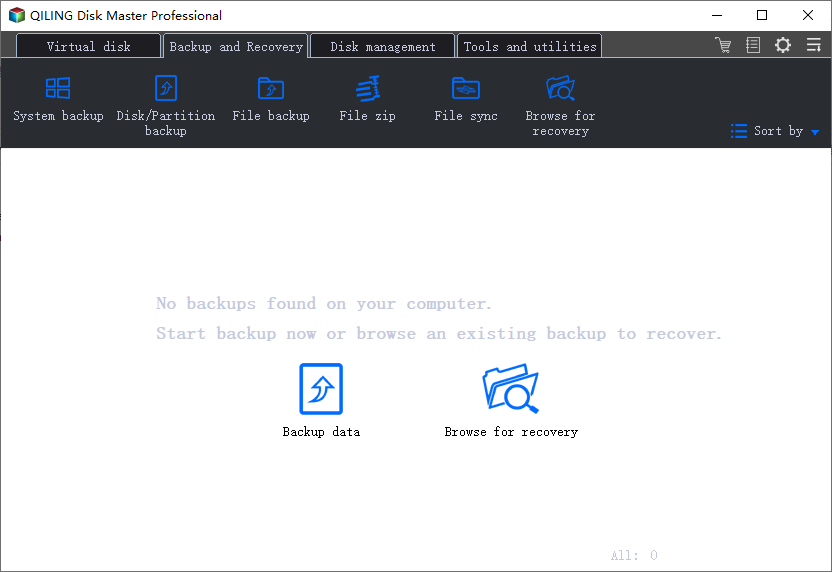
Step 3: On the main window, click "File" and choose the files or data you want to back up.
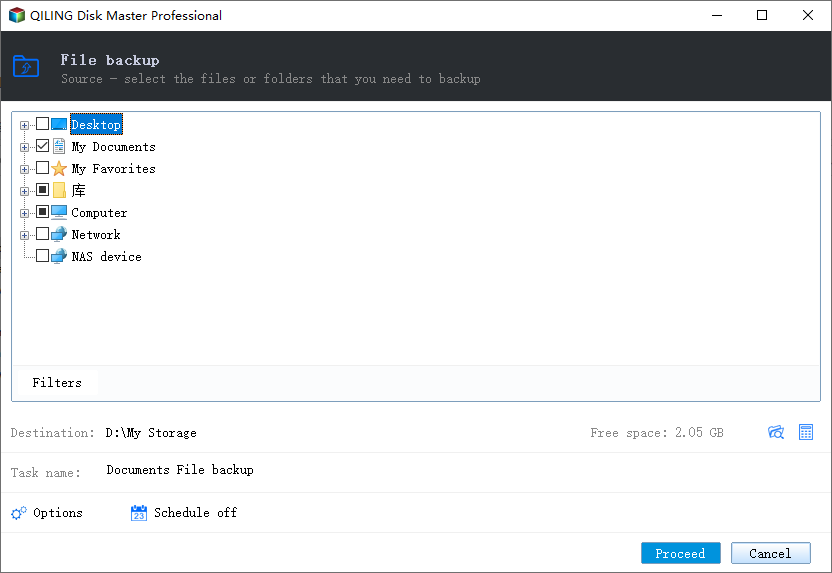
As your digital collection grows, it's essential to have a regular backup system in place to protect your important files, such as documents, pictures, music, and videos, from potential loss or corruption.
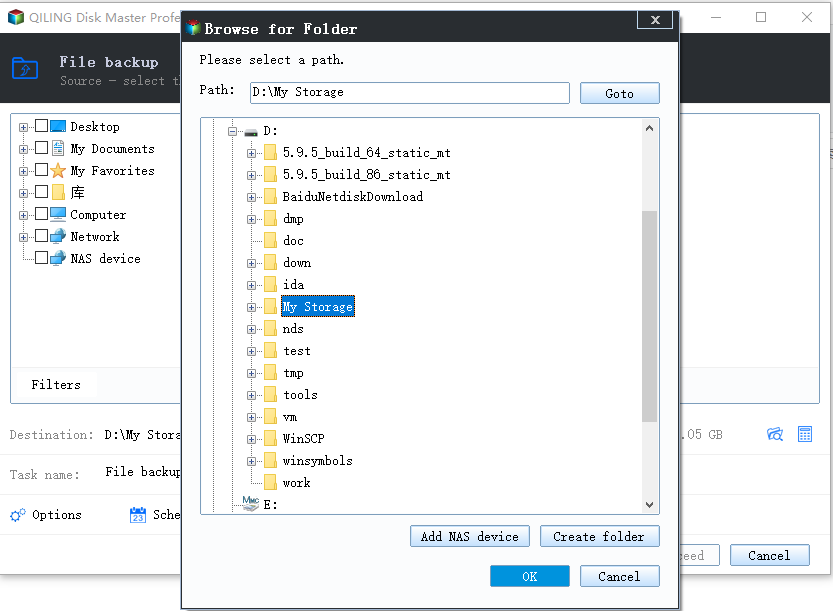
Step 4: Select a destination to save your backup file.
You should save the backup file in another storage media to prevent it from getting corrupted or destroyed.
Step 5: Click "Proceed" to execute your operation.
It's crucial to perform regular backups to prevent data loss, as reinstalling software doesn't guarantee the recovery of lost data.
Qiling Backup is a cost-effective online backup and recovery software that allows users to back up their system, files, and folders, providing peace of mind in case of data loss. If disaster strikes, backing up data promptly is crucial.
Related Articles
- How to Backup Data without Booting into Windows
- How to Backup PC Files to Dropbox
- How to Clone Android SD Card to A Larger One
- How to Backup SD Card to Google Photos [Everything Your Need to Know]
- [Free] How to Make a Full Backup of Windows 10/8/7
- Wipe Hard Drive in Windows 10 to Protect Privacy
What's the best way to wipe a hard drive and clear all the data away and make sure they are unrecoverable by no means. please read this article.
Products
Articles & Tutorials
- Data Recovery
- Data Backup
- File Recovery
- File Backup
- System Backup and Restore
- Disk and Partition Clone
- Technical articles
- Mobile articles
- Disk Master Help
- Windows Data Recovery Tutorials
- Windows Secure Delete Tutorials
- Windows Partition Management Tutorials
- Windows File Backup and Restore Tutorials
- Windows System Backup and Restore Tutorials
- Windows Disk Backup and Restore Tutorials
- Windows Clone Tutorials