Fix boot sector of FAT16/FAT32/NTFS partitions
The Boot Sector, also known as the first sector of a partition, contains information necessary for the operating system to start, similar to the Master Boot Record (MBR) for the entire drive. A corrupt or missing Boot Sector can prevent access to the partition, making it a serious issue.
Possible (but not all) symptoms
Invalid media type reading drive
Abort, Retry, Fail?
File system is displayed as "RAW"
Windows may ask if you want to format the drive
File names contain "weird" characters
"Sector not found" messages
Recover lost files
If you've lost files due to deletion, format, partition loss or damage, or system crashes, especially under Windows Vista/2008/Windows 7, our free Data Recovery Wizard Free Edition software is recommended. It effectively recovers files from hardware RAID and hard drives, as well as SD and Memory Cards.
Note: To maximize the chances of recovering lost data, install data recovery software, such as Qiling, on a separate disk, rather than the original one where the files were lost.
Step 1. Launch Deep Data Recovery on your Windows computer, select file types, and click "Fast Scan".

Note: You can choose different search modes based on where and why the data was lost.
Step 2. Select the disk partition or storage location where you lost data and click "Scan".

Step 3. This recovery software will start scanning the disk to find all lost and deleted files. Once the scan is complete, you can click "Filter" > "Type" to narrow down the search by specifying the types of lost files you're looking for.

Step 4.With this tool, you can preview and restore lost Windows files. Simply double-click to preview the scanned files, select the target data, and click the "Recover" button to save them to a safe spot, either on your PC or an external storage device.
Fix Boot Sector
1. If you can't access the FAT16/NTFS partition and it's marked with "X", click on it and choose Fixboot. Partition Table Doctor will automatically check and repair the Boot Sector of the partition.
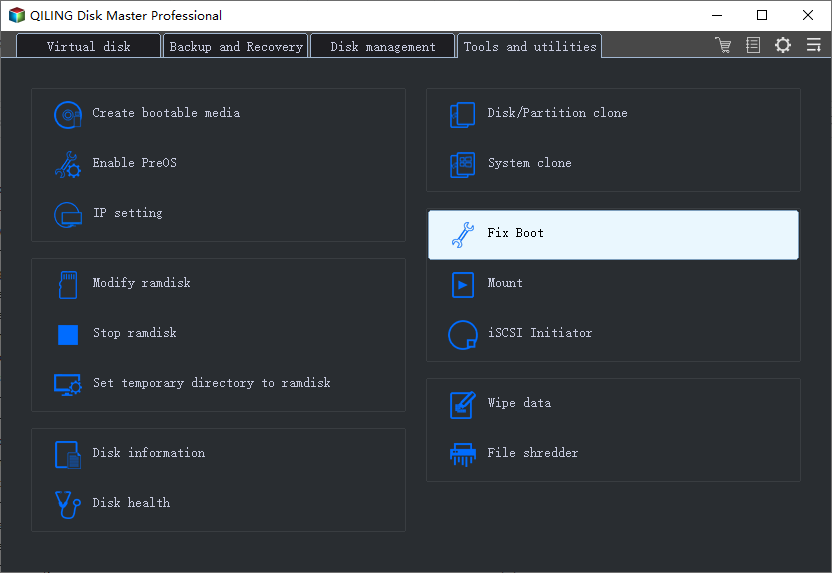
2. If you're unable to access a FAT32 partition that's been marked with an "X", you can try to fix the issue by clicking on the partition and selecting the "Fixboot" option. This provides you two choices to resolve the problem.
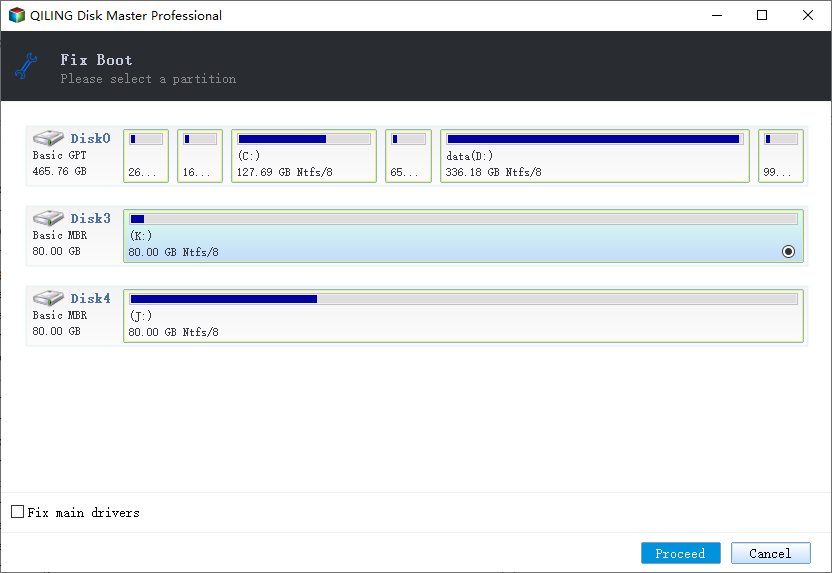
Partition Table Doctor will automatically check and repair the Boot Sector of the partition in "Auto" mode. This is the recommended option.
If the "Auto" mode doesn't work, you can try the "Interactive" mode. In this mode, you need to input the label for the partition or file name, which is the file in the Root Folder. If you're unsure, you can follow the suggested file name.
Bootable partition:
io.sys, msdos.sys, ntldr, bootlog.txt
Other partitions:
_restore, recycled
The DOS version of Partition Table Doctor has limitations on file name support, specifically prohibiting long names and wildcard characters.
3. Partition Table Doctor will provide a preview of the folders and files in the root directory on this partition before making any changes, allowing you to verify the integrity of the partition. If the preview appears the same as the previous one, it indicates that the function can fix the issue.
4. To resolve the issue, save any unsaved work, shut down the computer, and then restart it. This should restore the system to its previous state. Additionally, it's a good idea to back up your important files to prevent any potential data loss. This will ensure that your files are safe and can be easily recovered if needed.
Related Articles
- How to Stop Windows 10 Deleting Files Automatically
- How to Fix 'Windows Could Not Complete the Installation' Error
- Invalid Value for Registry JPG/JPEG/PNG Files on Windows 10? Fix it Now!
- [Fixed] Right Click Not Responding or Working on Windows 10
- How to Backup An External Hard Drive to Another External Hard Drive in Windows 10 [Methods Provided]
Want to know how to backup an external hard drive to another external hard drive in Windows 10? We have a complete guide to help you copy your data from one drive to another easily. - Backup and Restore Not Working Windows 7? 3 Solutions and Best Alternatives
Backup and Restore not working on Windows 7? Learn common causes like corrupted system files and antivirus conflicts, and discover 3 fixes plus reliable alternatives like Qiling Backup to protect your data.
Products
Articles & Tutorials
- Data Recovery
- Data Backup
- File Recovery
- File Backup
- System Backup and Restore
- Disk and Partition Clone
- Technical articles
- Mobile articles
- Disk Master Help
- Windows Data Recovery Tutorials
- Windows Secure Delete Tutorials
- Windows Partition Management Tutorials
- Windows File Backup and Restore Tutorials
- Windows System Backup and Restore Tutorials
- Windows Disk Backup and Restore Tutorials
- Windows Clone Tutorials