Is a 1TB SanDisk Extreme Portable SSD Good for PC Gaming?
A 1TB portable SSD can be useful for a Windows game library, especially when internal space is limited. Whether it feels good in practice depends on the PC's USB connection, the game's install size, and where its save files live.
Check Capacity and Connection
A marketed 1TB SSD appears as roughly 931 GiB in Windows before formatting and other overhead. Large games, updates, mods, and shader caches can consume that quickly. List your current games and reserve headroom so updates do not fail. A portable SSD may improve load times compared with an external HDD, but it does not increase GPU frame rate by itself.
Use the drive's supported USB cable and a suitable PC port; a slow hub or older USB connection can reduce throughput. Keep the drive on a stable surface with airflow and avoid unplugging it while a game or launcher is writing files. Check the exact SanDisk model's warranty and health guidance rather than assuming every portable SSD has identical features.
Install or Move Games
In Steam, open Settings > Storage, add a library folder on the portable SSD, and use Steam's Move function for supported installed games. Other launchers have their own move or locate-existing-installation steps. Test one game first and check the launcher's rules before moving an entire library.
Game executables may live on the external SSD while saves remain under Documents, AppData, or a cloud account on the internal drive. Verify cloud-sync status and locate any local saves before replacing or resetting the PC. If you use the portable drive across PCs, licensing, launcher installation, and game anti-cheat requirements can still differ.
Back Up Local Game Saves with Qiling
Use a separate destination for saves; backing them up to the same portable SSD does not protect against loss of that SSD.
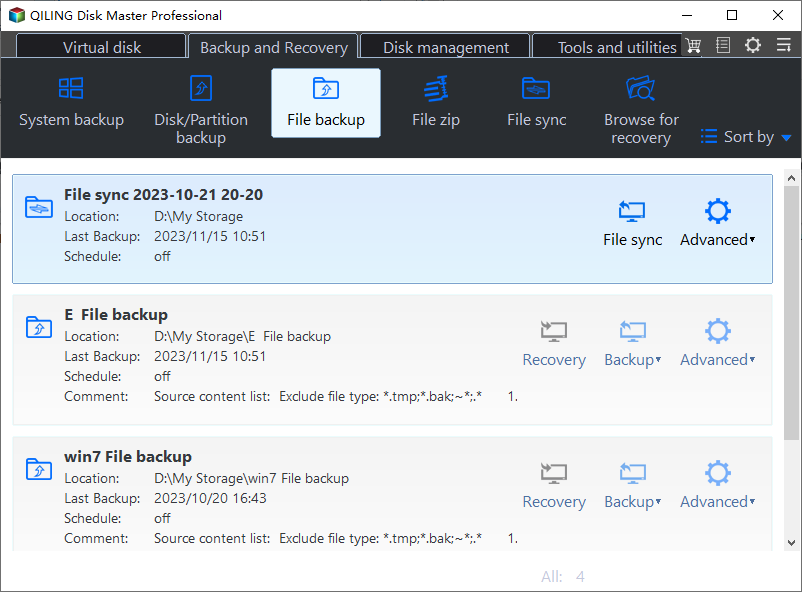
Step 1. Identify each game's local save folder, connect another backup drive, and open Backup and Recovery > File backup in Qiling Disk Master.
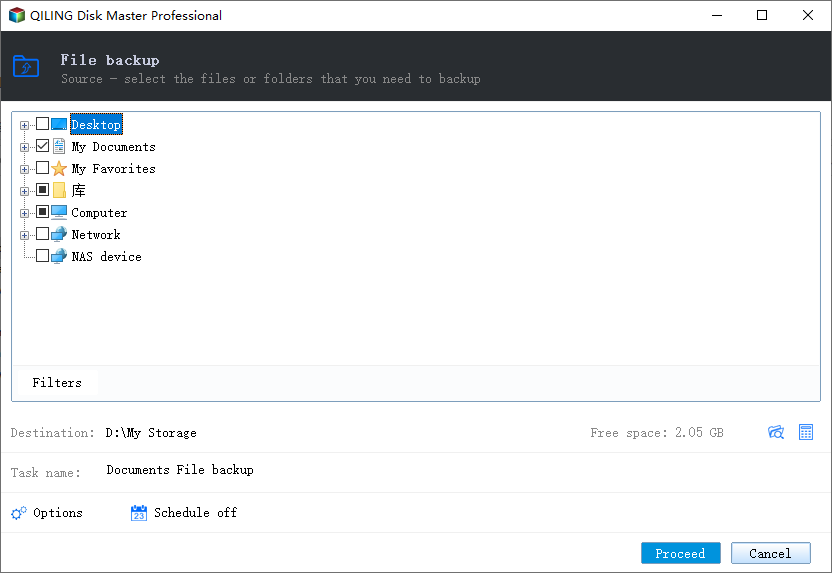
Step 2. In the folder tree, select the local saves and configuration folders you need; include launcher-independent saves outside Documents.
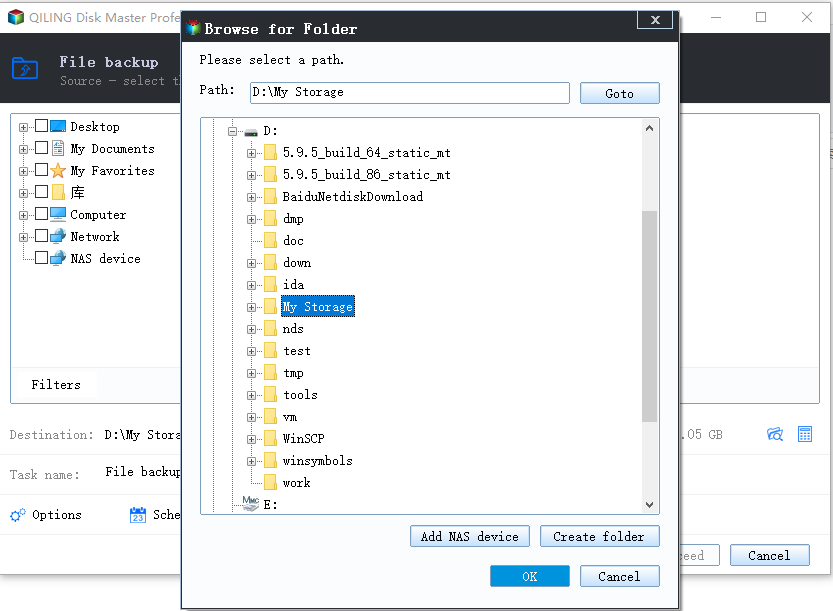
Step 3. Set the separate backup drive as destination and confirm the selected source folders are not on that same drive.
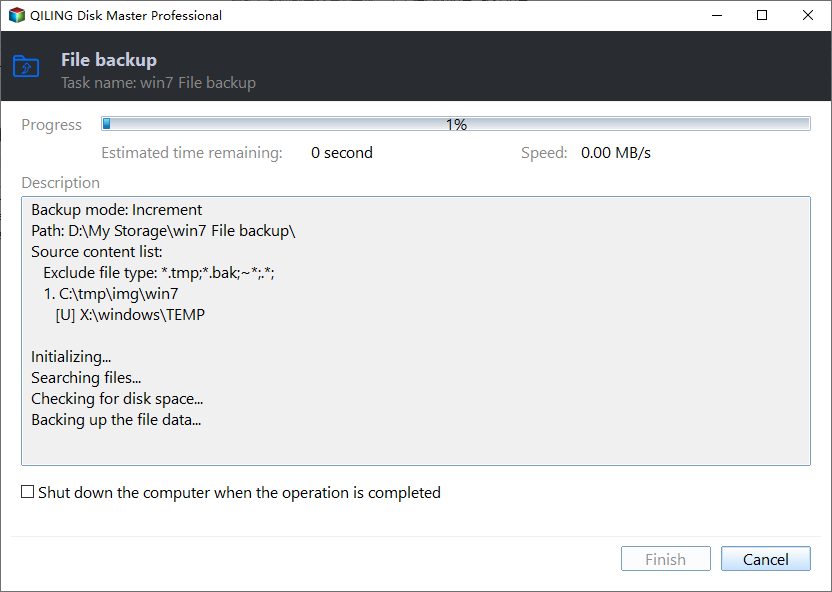
Step 4. Click Proceed and wait for completion before unplugging either drive.
Step 5. Restore a sample save to a temporary folder and confirm it opens or is recognized by the game before relying on the backup.
Know the Limits
An external SSD is convenient storage, not a substitute for the internal Windows boot disk. Some games may take longer to update on a slower USB port, and a disconnected drive can leave launcher paths unavailable. Keep copies of irreplaceable saves elsewhere.
Frequently Asked Questions
Does a portable SSD make every game faster?
No. It can reduce storage-related loading compared with an HDD, but CPU, GPU, RAM, and the USB connection still matter.
Is 1TB enough?
Count the specific games, mods, and update headroom you need; capacity needs vary widely.
Conclusion
A 1TB SanDisk Extreme Portable SSD can be a practical Windows game drive when the USB connection and capacity fit your library, with local saves backed up separately.
Related Articles
- Is a 1TB SSD Big Enough for a Windows Gaming PC?
Plan a 1TB gaming-PC storage budget. - How Much Storage Does a Windows Gaming PC Need?
Compare game-library capacity needs.
Products
Articles & Tutorials
- Data Recovery
- Data Backup
- File Recovery
- File Backup
- System Backup and Restore
- Disk and Partition Clone
- Technical articles
- Mobile articles
- Disk Master Help
- Windows Data Recovery Tutorials
- Windows Secure Delete Tutorials
- Windows Partition Management Tutorials
- Windows File Backup and Restore Tutorials
- Windows System Backup and Restore Tutorials
- Windows Disk Backup and Restore Tutorials
- Windows Clone Tutorials