Move Data from a Damaged HDD to an SSD Safely
A damaged HDD is different from a healthy migration source. Repeated full-disk reads can make a mechanical failure worse, so assess its condition before running an ordinary clone.
Identify the type of damage
Clicking, scraping, disappearing from firmware, or repeated USB disconnects suggest a hardware problem. File-system errors on an otherwise stable drive may be logical damage. Neither case should be 'fixed' by formatting before data is protected.
Prioritize valuable data
- Stop nonessential use of the damaged HDD. Do not install software or save recovered files onto it.
- If the drive is not reliably detected or makes mechanical noises, power it down and consult a professional recovery service for irreplaceable data.
- If it remains readable, copy the most important files first to a separate drive, starting with small irreplaceable folders.
- Record read errors and avoid endless retries. A specialist imaging workflow can skip unreadable sectors and work from an image rather than the unstable disk.
Recover Files with Qiling Deep Data Recovery Only If the Drive Is Stable
For logical damage on a drive that stays detected and reads without mechanical noise, Qiling Deep Data Recovery can help retrieve files. This is file recovery, not a repair or a bootable clone. A full scan reads much of the disk; if errors increase or the drive starts disconnecting, stop and seek specialist help. Never install the tool on the damaged drive or save results back to it.
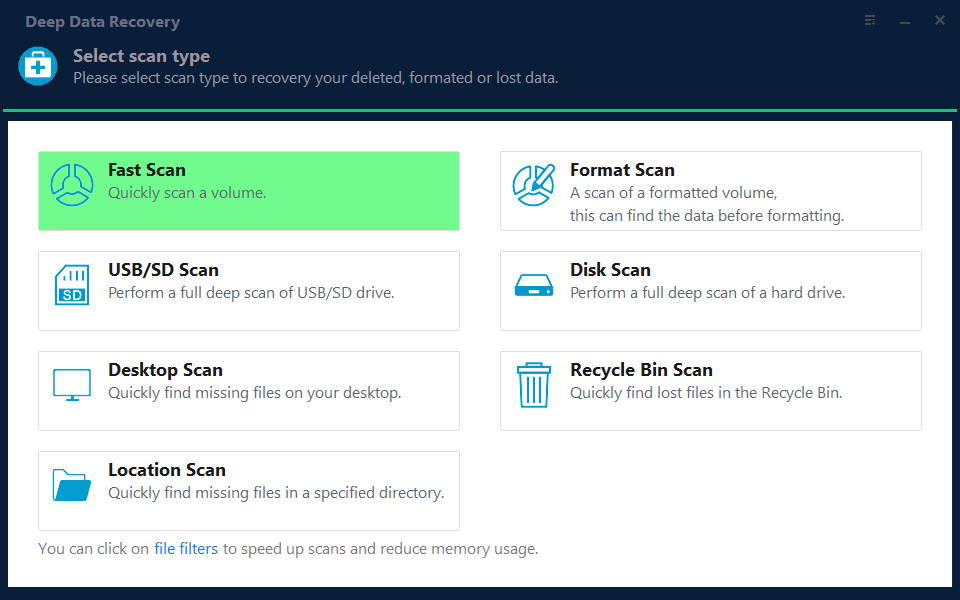
- Step 1. Connect a separate healthy destination drive. Run Qiling Deep Data Recovery from a healthy Windows disk, and select Disk Scan for the affected HDD.
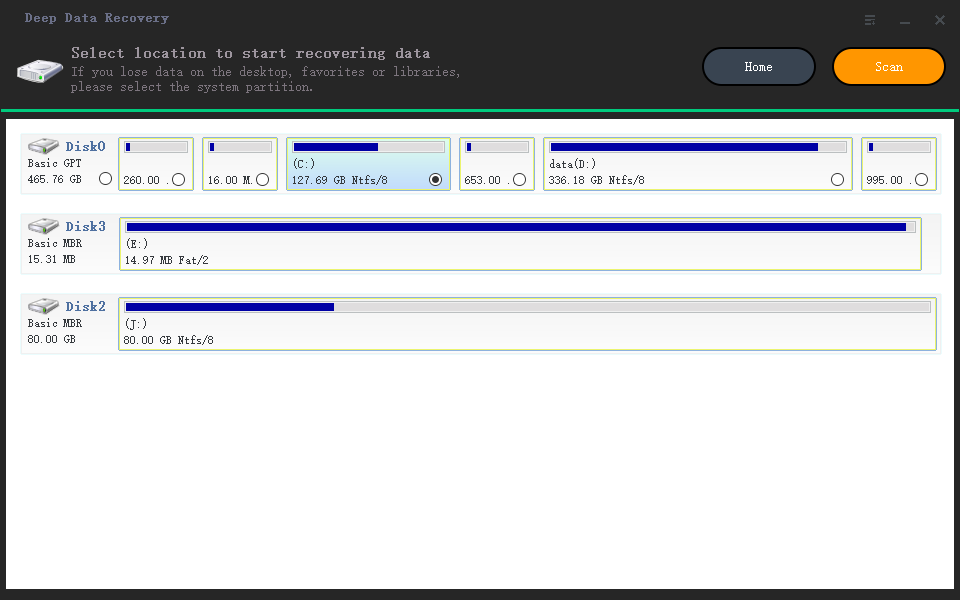
- Step 2. Identify the affected drive by capacity and partition layout. Select the correct location and click Scan; do not scan the destination SSD by mistake.
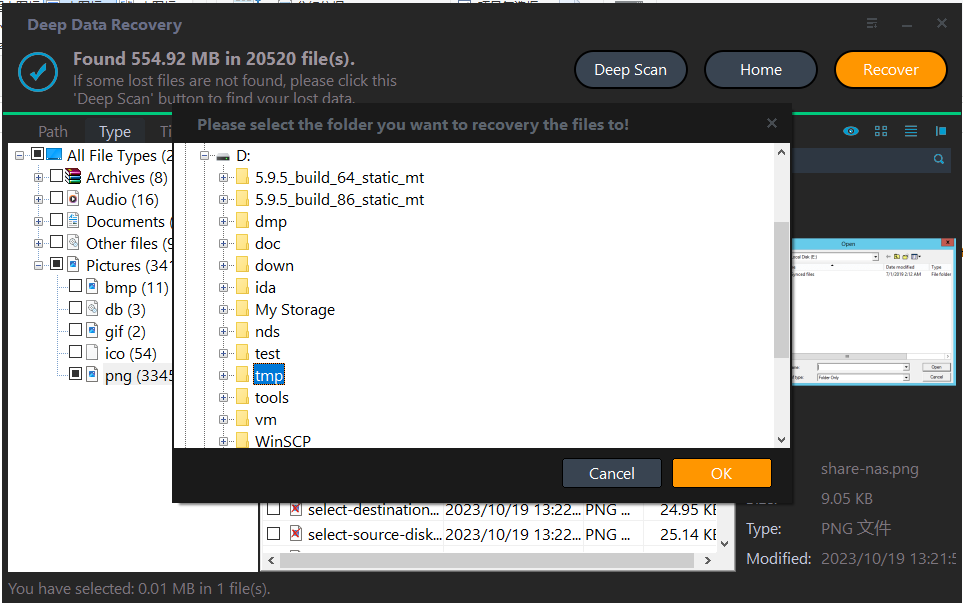
- Step 3. Review the results, preview important files, and select those you need first. Use Deep Scan only if necessary and only while the drive remains stable; then click Recover.

- Step 4. Choose a folder on the healthy destination drive and click OK. Open a sample of the recovered files to verify them before reinstalling Windows on the SSD.
Do not confuse an image with a working clone
A sector-by-sector copy of an unreadable source may carry corruption and still fail to boot. A new SSD can receive restored files or a clean Windows installation after data recovery. Do not assume every damaged HDD can be cloned intact.
After preserving files
Check the new SSD's connection and health, install a supported Windows version or restore a verified image, then copy recovered files back. Test the recovered files before discarding the source or image.
Frequently Asked Questions
Should I run CHKDSK before copying? Not on the only copy of valuable data from an unstable drive. Preserve data first.
Can normal clone software repair bad sectors? No. A clone may fail or copy corrupted data when the source cannot be read.
Conclusion
A failing HDD may require controlled imaging or professional recovery. Protect the most valuable data first instead of repeatedly attempting a normal full clone.
Related Articles
- Windows System Backup and Restore Tutorials
Explore system image, recovery, and restore guides for Windows. - Windows Disk Backup and Restore Tutorials
Find disk image backup and recovery workflows for Windows drives. - Windows File Backup and Restore Tutorials
Compare practical ways to protect and restore personal files. - What Is the Best Way to Image a Hard Drive in Windows?
Choose a disk image for backup or recovery, select the whole source disk, save it to separate storage, and test restoration before relying on it.
Products
Articles & Tutorials
- Data Recovery
- Data Backup
- File Recovery
- File Backup
- System Backup and Restore
- Disk and Partition Clone
- Technical articles
- Mobile articles
- Disk Master Help
- Windows Data Recovery Tutorials
- Windows Secure Delete Tutorials
- Windows Partition Management Tutorials
- Windows File Backup and Restore Tutorials
- Windows System Backup and Restore Tutorials
- Windows Disk Backup and Restore Tutorials
- Windows Clone Tutorials