Will Adding a 1TB SSD Improve Laptop Gaming?
Adding an SSD can make a game library feel faster, especially when games currently run from a slow HDD. It does not turn a weak CPU or GPU into a faster one.
Which gaming tasks benefit
Game launch, level loading, asset streaming, and patch installation often involve reading many files, so they may improve when the game is installed on an SSD. Frame rate is usually limited by the GPU, CPU, RAM, and game settings. If stutter comes from insufficient memory or thermal throttling, an SSD alone may not solve it.
A 1TB drive also gives room for multiple large games and updates, but check the usable capacity after formatting and leave free space for normal operation.
Check whether the laptop can take another drive
- Read the exact service manual for a free M.2 or 2.5-inch slot, connector, supported SSD type, and physical length.
- If the laptop has only one slot, plan a replacement and an OS clone or clean installation instead of simply adding storage.
- Back up save files before opening the chassis. Cloud saves may not cover every game or launcher.
Move games without breaking launchers
Install the new SSD and initialize it in Disk Management only if it is genuinely blank. For Steam, add a library folder on the SSD in Storage settings, then use Steam's Move option for each game. Other launchers may offer their own relocation or reinstall workflow. Do not simply drag a game folder if the launcher tracks install paths.
Keep Windows on the existing system drive unless you explicitly want an OS migration. After moving a game, launch it, verify saves, and only then remove the old copy.
Back Up Game Saves with Qiling File Backup
Before relocating or reinstalling games, protect local saves and configuration folders. This is a file backup, not a game-library migration tool.
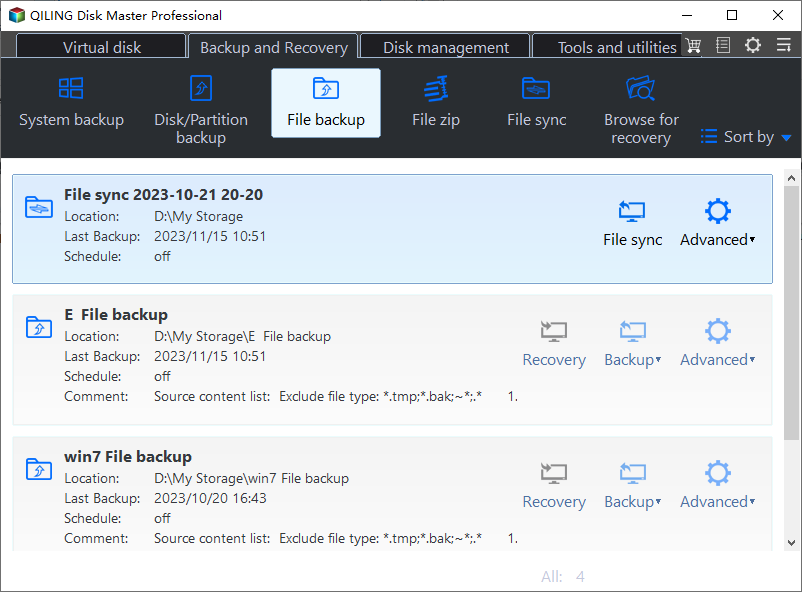
Step 1. Connect a healthy external drive and open Qiling Disk Master. Under Backup and Recovery, choose File backup.
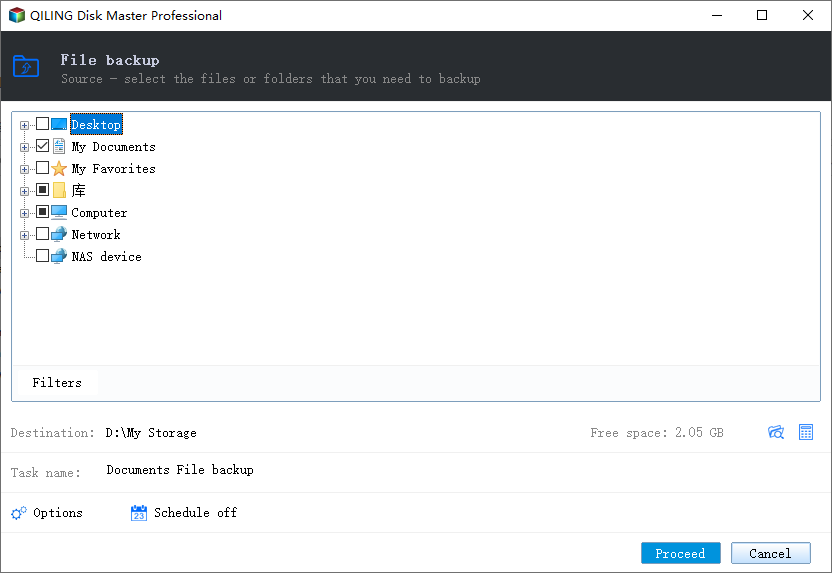
Step 2. In the folder tree, select the local save folders you identified for your games and launchers. Expand folders and check the selected paths; there is no separate Add Folder button in this screen.
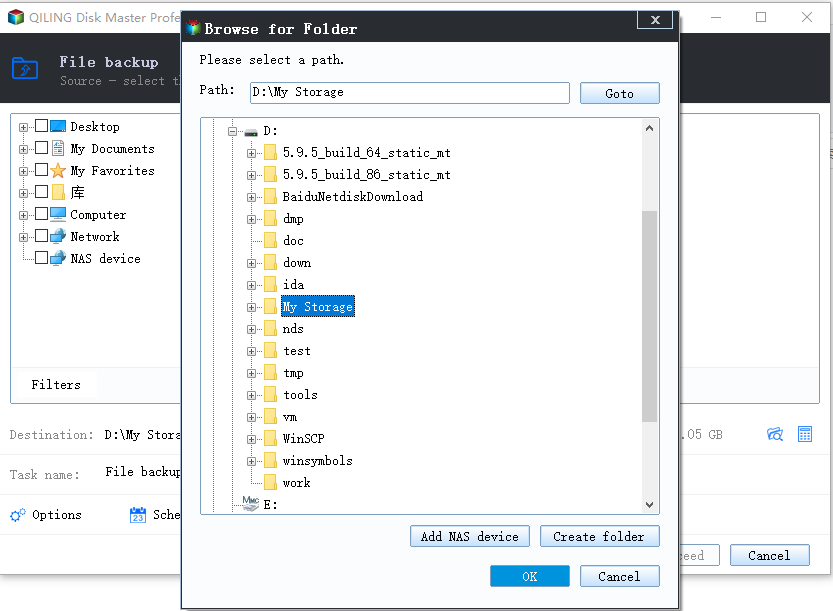
Step 3. Open the destination chooser, select a folder on an external drive, and click OK. Verify that the destination is not the same disk as the files being protected and has enough free space.
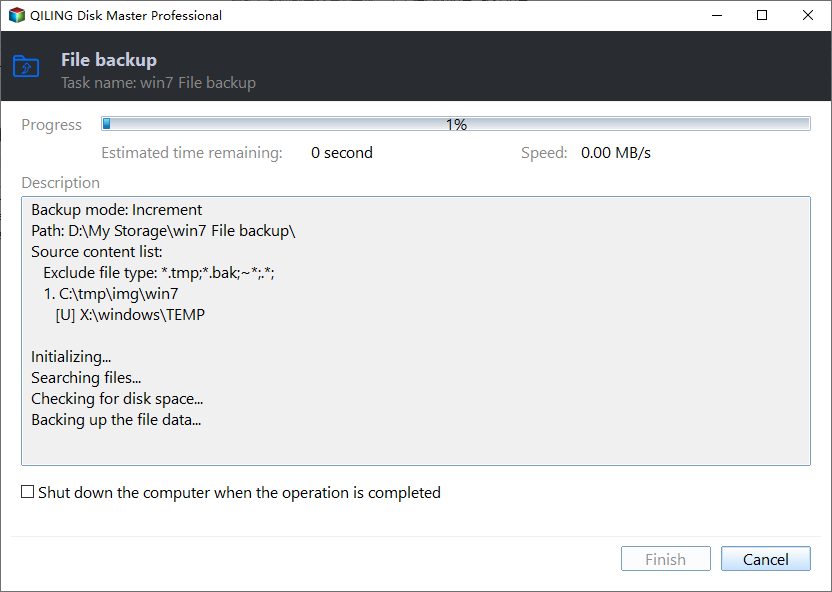
Step 4. Review the task name and selected folders, then click Proceed. Wait for the backup to finish. Open the backup destination and confirm the image is present before moving games.
Frequently Asked Questions
Will a 1TB SSD increase FPS? Usually not by itself. It chiefly improves storage-related loading and responsiveness.
Can I keep the HDD for games too? Yes, if the laptop supports both drives; put frequently played games on the SSD and less time-sensitive files on the HDD.
Conclusion
An added SSD is most valuable for loading and storage capacity. Confirm hardware compatibility, move games through their launchers, and back up local saves first.
Related Articles
- Windows File Backup and Restore Tutorials
Find practical Windows file backup and restore methods. - Windows System Backup and Restore Tutorials
Compare system images, recovery drives, and restore options. - Windows Cloning Tutorials
Explore disk and system migration guides for Windows PCs. - How Much Storage Does a Windows Gaming PC Need?
Estimate gaming PC storage for Windows, current games, updates, and saves, then plan an SSD upgrade and migrate a full game drive safely. - How to Upgrade a Razer Blade SSD and Keep Windows
Check your Razer Blade model and SSD slots, back up data, clone the boot drive, and verify Windows after replacing or adding storage. - Is a 1TB SSD Big Enough for a Windows Gaming PC?
Estimate whether a 1TB SSD fits Windows, games, updates, and recordings; plan a larger SSD and protect local game saves.
Products
Articles & Tutorials
- Data Recovery
- Data Backup
- File Recovery
- File Backup
- System Backup and Restore
- Disk and Partition Clone
- Technical articles
- Mobile articles
- Disk Master Help
- Windows Data Recovery Tutorials
- Windows Secure Delete Tutorials
- Windows Partition Management Tutorials
- Windows File Backup and Restore Tutorials
- Windows System Backup and Restore Tutorials
- Windows Disk Backup and Restore Tutorials
- Windows Clone Tutorials