What to Do If Your Hard Drive Fails in Windows
A failing hard drive can produce read errors, disappear from firmware, click repeatedly, or cause Windows to freeze. The safest next step depends on whether the failure is physical and how valuable the data is.
Identify the failure without stressing the disk
Record the symptoms: unusual mechanical sound, repeated disconnection, SMART warnings, or only a Windows boot error. Check cables and power once while the drive is off, but avoid repeated power cycles. If BIOS/UEFI does not see the disk, ordinary backup software cannot access it. If the disk is clicking or grinding and the files matter, shut it down and contact a professional recovery service.
Choose a data-first path
When a disk remains stable and readable, copy the most valuable files to a different healthy device first. Avoid installing programs on the failing drive or running extensive repair scans before securing data. File-system repairs can change on-disk structures and full-surface cloning can stress marginal hardware. If read errors grow or the drive disconnects, stop and reassess.
Replace and restore
After data is secured, install a compatible replacement SSD or HDD. Use an existing system image to restore Windows, or install a supported Windows version from official media and restore files. Verify activation, drivers, applications, and several restarts. Do not reuse a physically failing drive as a backup destination.
Make a File Backup with Qiling Before Replacing the Disk
Run this only if the failing drive remains stable and readable and the data does not justify professional handling. Stop immediately if symptoms worsen.
Step 1. If the drive is still stable, connect a healthy external drive and choose Backup and Recovery > File backup in Qiling Disk Master.
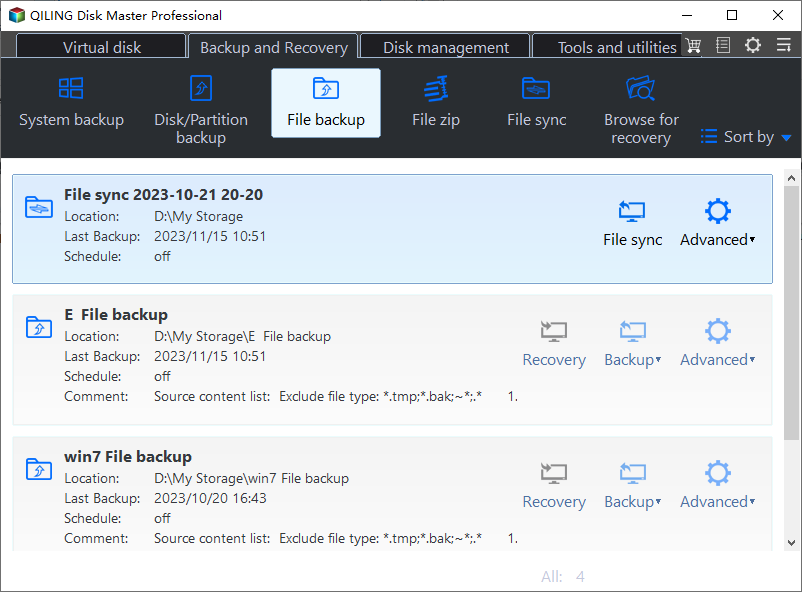
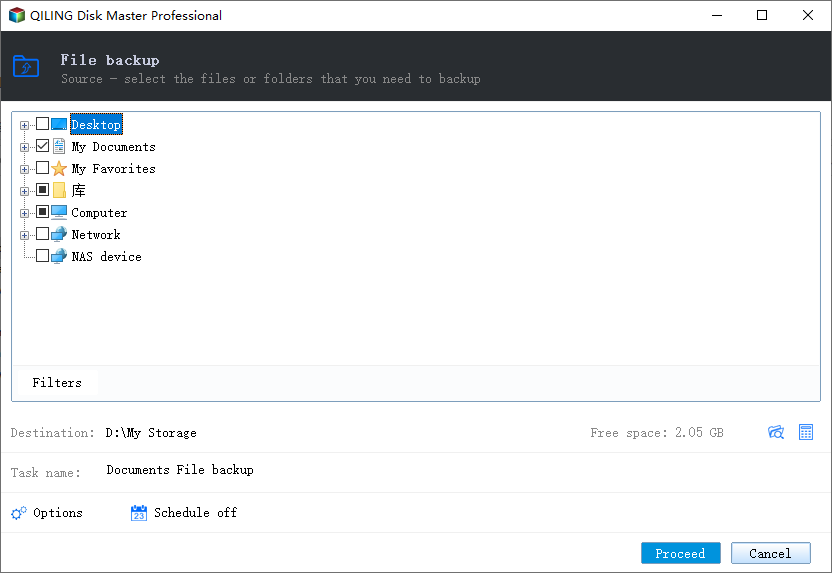
Step 2. Select the required folders in the source tree, including user documents and application exports.
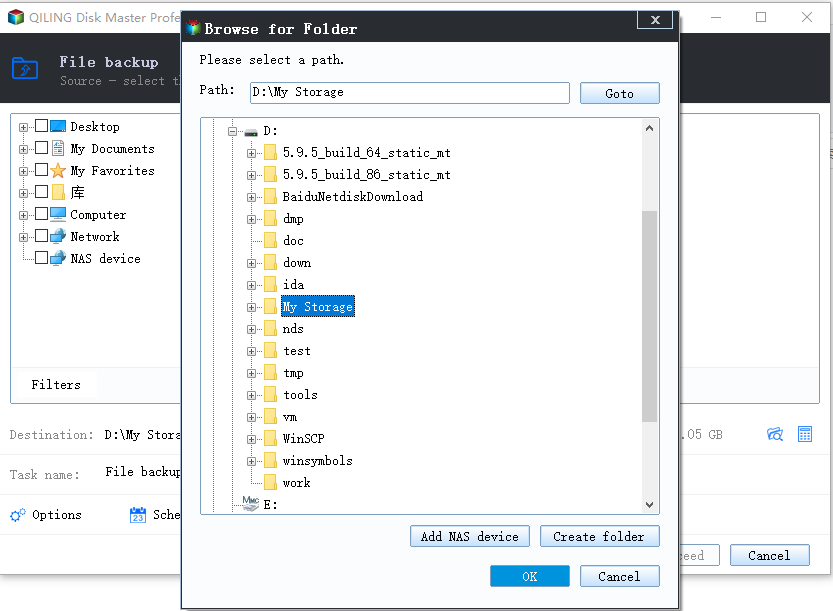
Step 3. Choose the external disk as destination and verify that it is not the disk being replaced.
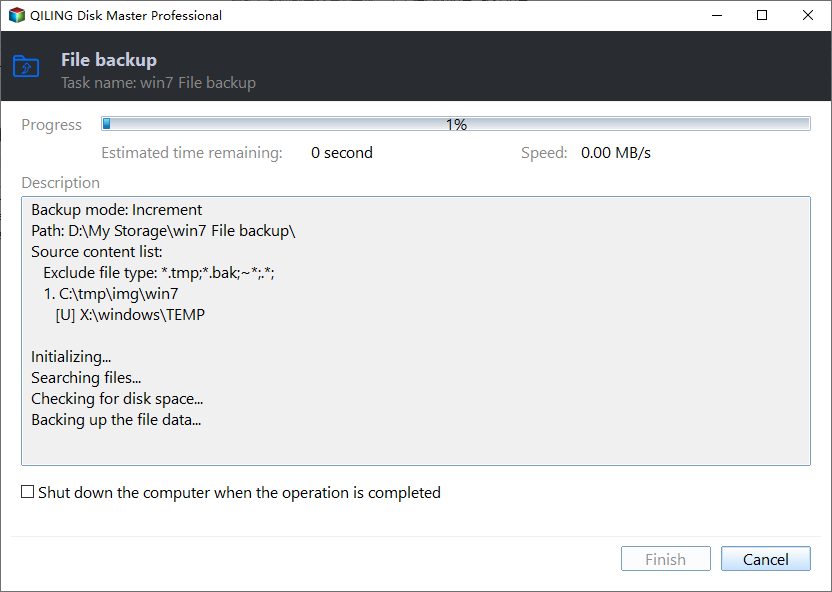
Step 4. Click Proceed and wait for completion. Open several files from the backup before changing hardware.
Step 5. After Windows is installed on the new SSD, restore the backup to the intended user folders and verify the documents again.
File Backup protects selected data, not the Windows license or installed applications.
Conclusion
Protect the data first, then replace the hardware. A clone or backup is possible only while the source remains readable.
Related Articles
- Windows System Backup and Restore
Compare system images, cloning, and recovery options. - Windows Disk Backup and Restore
Find disk backup and restore guides for Windows PCs. - Hard Drive Click of Death: What to Do Before Data Is Lost
Learn which hard-drive clicks suggest physical failure, when to power off, and how to protect readable files without making repeated cloning attempts.
Products
Articles & Tutorials
- Data Recovery
- Data Backup
- File Recovery
- File Backup
- System Backup and Restore
- Disk and Partition Clone
- Technical articles
- Mobile articles
- Disk Master Help
- Windows Data Recovery Tutorials
- Windows Secure Delete Tutorials
- Windows Partition Management Tutorials
- Windows File Backup and Restore Tutorials
- Windows System Backup and Restore Tutorials
- Windows Disk Backup and Restore Tutorials
- Windows Clone Tutorials