Wi-Fi not Working on Laptop, but Working on Phone | Solutions

Introduction
Wi-Fi is a wireless technology that allows devices to connect to the internet without being physically connected to a router.
A laptop and a phone can be connected to the same Wi-Fi network, but sometimes the laptop may fail to connect while the phone successfully connects, creating a network for information exchange. This issue can be caused by various factors, including outdated drivers, conflicting network settings, and physical obstructions, and can be resolved by updating drivers, resetting network settings, and checking for physical obstructions.
Why is My Laptop Not Connecting to Wi-Fi but my Phone Will
Your laptop's failure to connect to the Wi-Fi network could be due to a disabled Wi-Fi adapter, a weak or incorrect network signal, software issues like driver problems or network connection conflicts, or a damaged Wi-Fi adapter. To resolve the issue, try restarting your laptop, checking the Wi-Fi settings, and verifying the network name and password.
Your computer is in flight/Airplane mode.
To fix the issue, turn off the Flight mode on your computer. You can do this by going to Settings, then Network and Internet, and finally, toggle the switch next to Flight mode to the Off position.
Your computer Wi-Fi is switched off.
Many computers have the Wi-The `wifiSwitch` function disables and enables wireless connection when tapped by toggling the Wi-Fi switch on and off. When called, it first checks if the Wi-Fi switch is currently enabled and returns a boolean value indicating its status.
Reset your Wi-Fi
Technical issues that may prevent your computer from detecting your Wi-Fi connection can occur.
Impaired Network setting
If your laptop is unable to see the Wi-Fi, it may be due to an incorrect or impaired network setting.
Declined Wi-Fi Adapter
The Wi-The Wi-Fi adapter is a crucial component of a computer that occasionally malfunctions, causing it to lose all Wi-Fi connectivity.
Problems with your antivirus software
Using antivirus software that targets network devices can send a wrong signal to the computer, causing it to deactivate the Wi-Fi.
Wrong Time and Date
Other factors like wrong time and date, expired drivers, and laptop not connecting to Wi-Fi but connecting to phone are responsible for the issue.
How to Fix Laptop Won't Connect to Wi-Fi but Phone Will
The laptop is a handy asset that is portable and more proficient compared to a desktop computer. However, several users complain that their laptop doesn't connect to their Wi-Fi, while mobile devices do. To fix this, let's look at some things you can do.
Restart your Equipment and Laptop
Run the Windows Troubleshooter
Restart your Equipment and Laptop
To troubleshoot internet connectivity issues, start by restarting your modem, router, and laptop. This basic approach often resolves the problem. If not, check for an IP conflict, which can occur when multiple devices access the internet via a single router, causing connectivity issues.
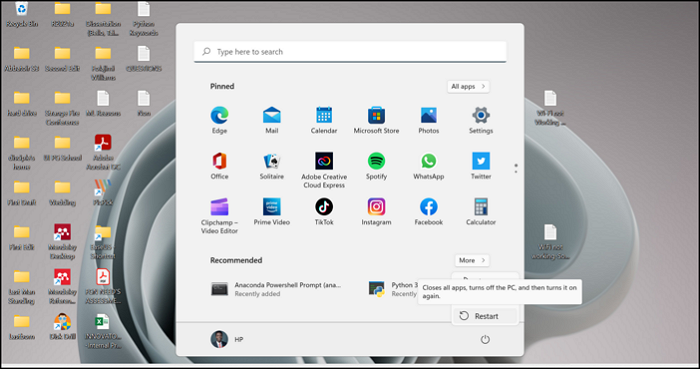
Restarting your equipment is highly recommended if you're experiencing issues with your Wi-Fi connection. This is because there's always a chance of a stall within the system, and restarting clears it. If the problem persists, try turning off your modem and router, waiting for a bit before turning them back on again. This simple solution can often resolve connectivity issues.
Reinstall the network drivers
In Windows 10, drivers for network adapters are typically installed automatically through Windows Update, making it unnecessary to manually address network-related issues or attempt to avoid using drivers.
To upgrade Windows 10 drivers after upgrading to Windows 11, follow these steps: First, go to the manufacturer's website for your graphics card and download the latest drivers for Windows 10. Then, go to the device manager, find the graphics card, right-click on it, and select "Update driver." Choose the downloaded driver from the manufacturer's website and follow the prompts to install it.
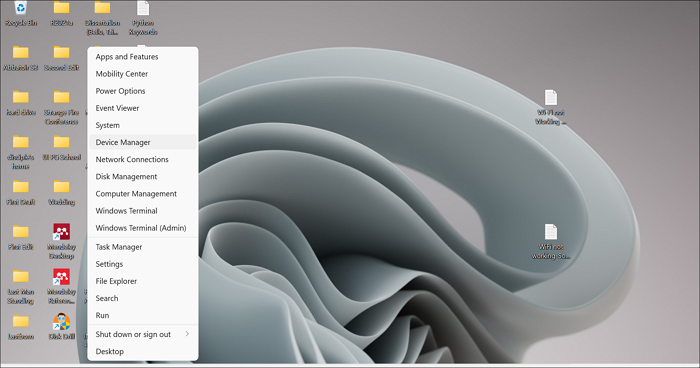
Step 1. Open Device Manager by right-clicking on the Start button
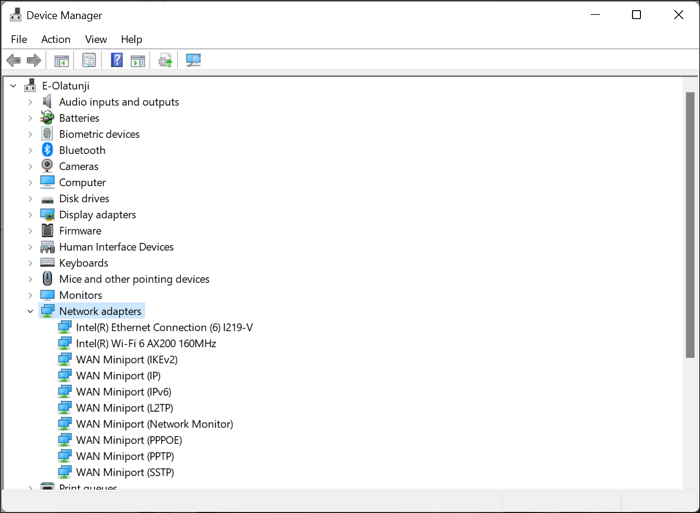
Step 2. Find your way to Network Adapters
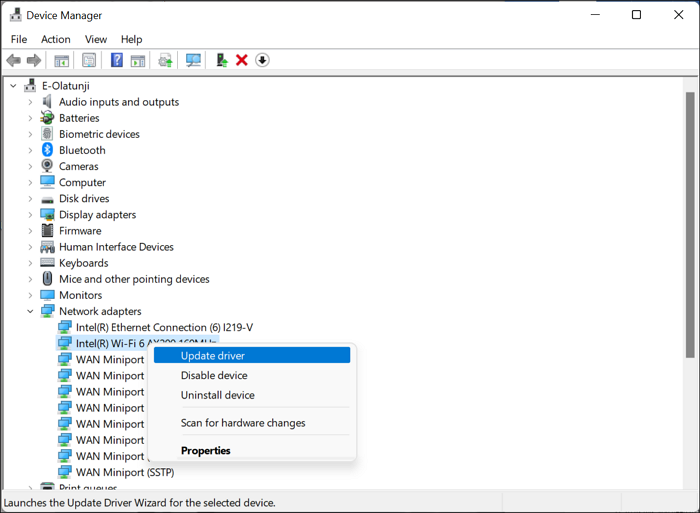
Step 3. To update the Wi-Fi driver, right-click on the Wi-Fi device and select the "Update Driver" function from the context menu. This will initiate the process of searching for and installing the latest available driver for the device.
Step 4. Restart your computer
Run the Windows Troubleshooter
Follow these steps to run the Windows Troubleshooter to detect what could be wrong:
Step 1. Right-click on the Wi-Fi icon at the down part and click Troubleshoot problems.
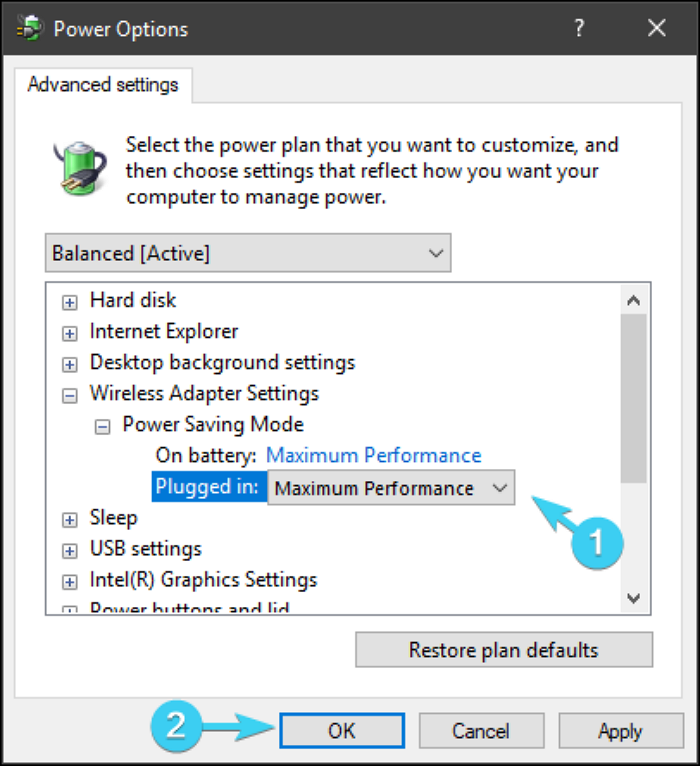
Step 2. Follow through the instructions until the troubleshooting diagnoses it
Step 3. Close Troubleshooter
Sometimes it's the Wi-The most effective way to troubleshoot is to start with the simplest solutions, such as restarting the router or modem, before moving on to more complex methods. This approach can often resolve the issue quickly and efficiently, making it a good starting point for troubleshooting.
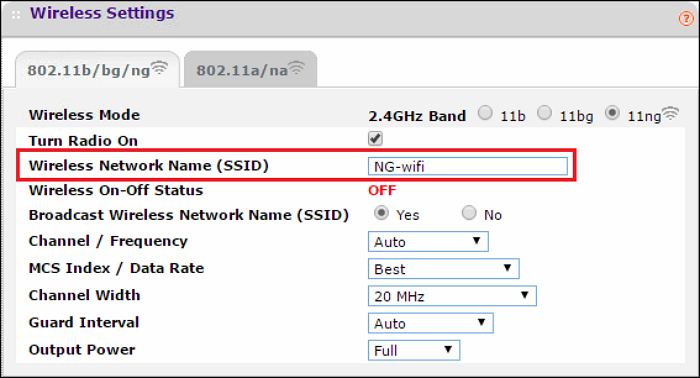
Unhide and rename the SSID
If your laptop can't detect your Wi-Fi network, try renaming your SSID to a more descriptive name with alphanumeric symbols, avoiding Unicode characters and emoticons. If your SSID is hidden, temporarily make it visible to see if the laptop can detect it. This might resolve the issue.
Disable Antivirus temporarily
To resolve connectivity issues with Wi-Fi on your laptop, you may need to temporarily disable your antivirus software or create an exception to bypass it, as some antivirus programs can hinder network protection and firewall security features.
Change Power Adapter Settings
Here's how to go about it:
Step 1. Double-click on the battery icon in the notification tray.
Step 2. To change the settings for a plan, click on "Change Settings for the plan" and select "Balanced" as seen in the provided screenshot.
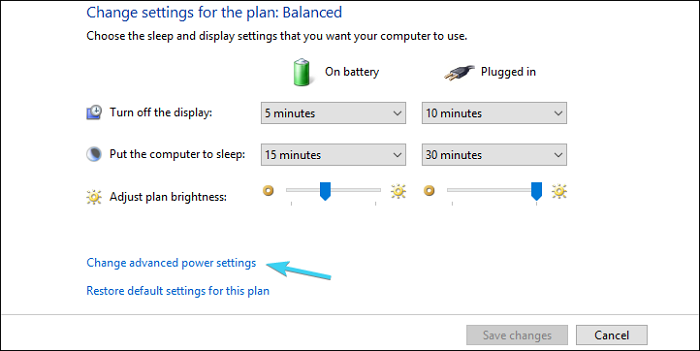
Step 3. Then, click 'Change Advanced Power Settings'.
Step 4. To change the Power Saving Mode of your Wireless Adapter, go to the Wireless Adapter Settings, expand it, and select 'Power Saving Mode'.
Step 5. Set 'Power Saving Mode' on the battery to 'Maximum Performance
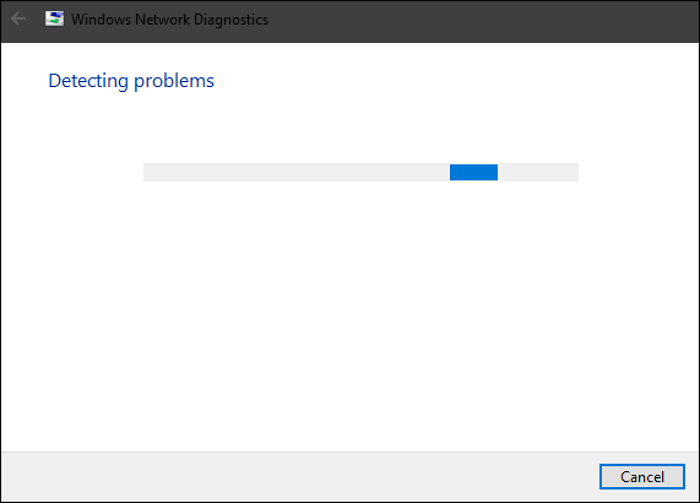
Step 6. Confirm changes and click OK.
Final Words
It's frustrating when your laptop won't connect to Wi-Fi, but your other devices can. Luckily, this article has provided a solution to the problem, so you can resolve the issue without worrying. To fix the problem, simply refer to the section on 'How to Fix Laptop Won't Connect to Wi-Fi but Phone Will'.
FAQ
1. Why Can't My PC Detect My Wi-Fi But Can Detect Other Wi-Fi Connections?
If the internet works on other devices but not on yours, the issue is likely with your device or its Wi-Fi adapter. If the internet doesn't work on other devices, the problem is probably with the router or internet connection.
2. Why Your Computer Can't Find Wi-Fi?
This common problem can be resolved by several methods, including resetting your router, using the network Troubleshooter, resetting your network adapter, switching wireless network mode, and other techniques.
3. Why won't my laptop connect to free Wi-Fi?
Your laptop can't connect to free Wi-Fi due to reasons such as the router being down, incorrect password, distance from the router, or the device not supporting the Wi-Fi network.
Related Articles
- Full Guide to Fix Windows 10 Slow Boot After Update
- How to Solve Webcam Freeze Up in Windows 10 Error?
- Recover Not Showing Up/Disappeared User Folder and Files in Windows 10
- How to Fix Nikon 'This Memory Card Cannot Be Used' Error
- [2023 HOT] Plist File on Windows: What Is It and How To Open It?
Mac OS X Property List Files (.PLIST) provide information about various system settings. For your convenience, we have included below a detailed guide on accessing the PLIST file on both Windows and Mac. - 4 Choices of Portable Windows Product Key Finder for Your PC
You will have problems if you lose the product key of Windows or any software while reinstalling the Operating System or any other software from scratch. There are so many tools to get it back. But We shortlisted only the 4 best portable Windows Product Key Finder choices for Your PC.
Products
Articles & Tutorials
- Data Recovery
- Data Backup
- File Recovery
- File Backup
- System Backup and Restore
- Disk and Partition Clone
- Technical articles
- Mobile articles
- Disk Master Help
- Windows Data Recovery Tutorials
- Windows Secure Delete Tutorials
- Windows Partition Management Tutorials
- Windows File Backup and Restore Tutorials
- Windows System Backup and Restore Tutorials
- Windows Disk Backup and Restore Tutorials
- Windows Clone Tutorials