How to Recover Files Deleted by RM on Mac
Page Navigation:
- Delete Files Using the RM Command
- Can You Recover RM Command Deleted Files
- Steps to Recover Deleted Files After Using RM Command on Mac
- How to Use RM Command on Mac Safely
Delete Files Using the RM Command
RM or RM - The rm command in Mac Terminal can be used to permanently delete files that are stuck in the Trash or locked, but it's essential to exercise caution when using it, as it can be easily misused and delete important files.
`rm MyFile.rtf` and press Enter. The file will be permanently deleted.
rm MyFile.rtf
You can delete a directory full of archives containing sub-directories and files using the `rm` command with the `-r` option. The command `rm -r /path/to/directory` will delete the specified directory and all its contents.
rm -R Archives
The RM command is hazardous because it permanently deletes files without saving them to the Trash, making it impossible to recover data. It's recommended to back up your files before using this command, and you can do so by enabling Time Machine or using data backup software.
Can You Recover RM Command Deleted Files
If you don't have backups and want to recover deleted files from RM, you can try using data recovery software like Deep Data Recovery Wizard. This software can scan your computer's hard drive for deleted files and recover them. You can also try using the built-in Windows feature called "Previous Versions" to restore deleted files.
RM command deleted files case:
"Yesterday, when I tried to clean up the trash on my Mac, I found there is a stubborn file that is difficult to remove. So I used rm - R command to do it. It removes the stubborn file from my trash successfully. But at the same time, the command line also erased all desktop files. Is it possible to recover files deleted by rm on Mac? If yes, how to do it?"
When you delete files or folders on a Mac using the "rm" command, the content is not permanently erased, making it possible to recover the deleted files. This is in contrast to using the "Trash" feature, where files are moved to the Trash and then deleted when emptied. As a result, deleted files can be recovered using specialized software or techniques.
- The system only removes the link to the file, making it unable to be found or accessed without special tools, effectively rendering the file inaccessible.
- Space marked as free space can be used for new files or additional content, but it's recommended to stop using the disk to prevent deleted files from being overwritten.
If you've deleted files on your Mac, you can recover them using a reliable Mac data recovery software.
Steps to Recover Deleted Files After Using RM Command on Mac
Qiling Mac drive recovery is a highly-rated software that effectively recovers deleted files on Mac devices, offering a reliable solution for critical data loss scenarios.
- Recover all lost, deleted, and formatted data.
- Recover permanently deleted files from emptied Trash.
- Recover data from lost Mac volumes/partitions.
- If you've experienced issues like system crashes, power failures, or virus infections, or if you've updated your OS X or macOS, you may have lost important data. Fortunately, there are ways to recover lost data in such situations, allowing you to retrieve vital information and get back to work.
Using Deep Data Recovery for Mac, files deleted accidentally by the RM command can be easily restored with a simple process. Follow the steps outlined in the guide to learn how to undelete these files.
Step 1. Launch Deep Data Recovery on your computer, select file types, and click "Fast Scan" to initiate the recovery process.
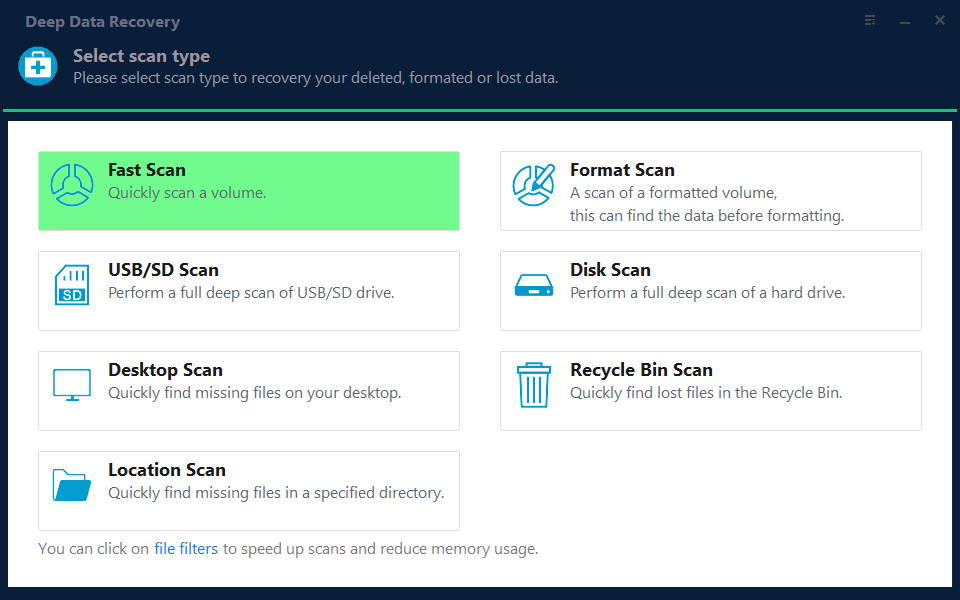
Note: You can choose different search modes based on where and why the data was lost.
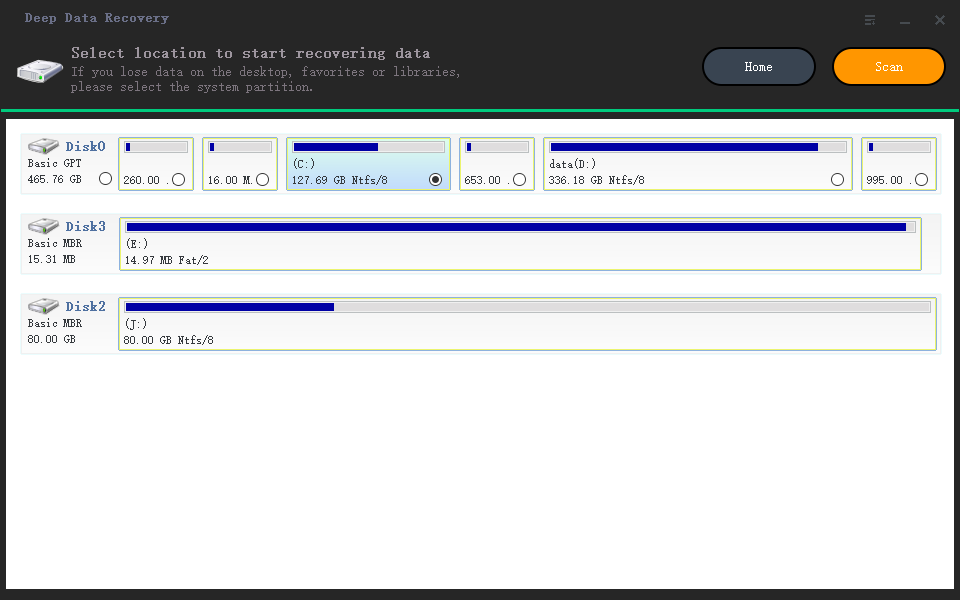
Step 2. Select the location where your important data & files were deleted and click the "Scan" button.
Step 3. The software will perform both a quick scan and a deep scan on the selected volume, working diligently to discover as many deleted files as possible.
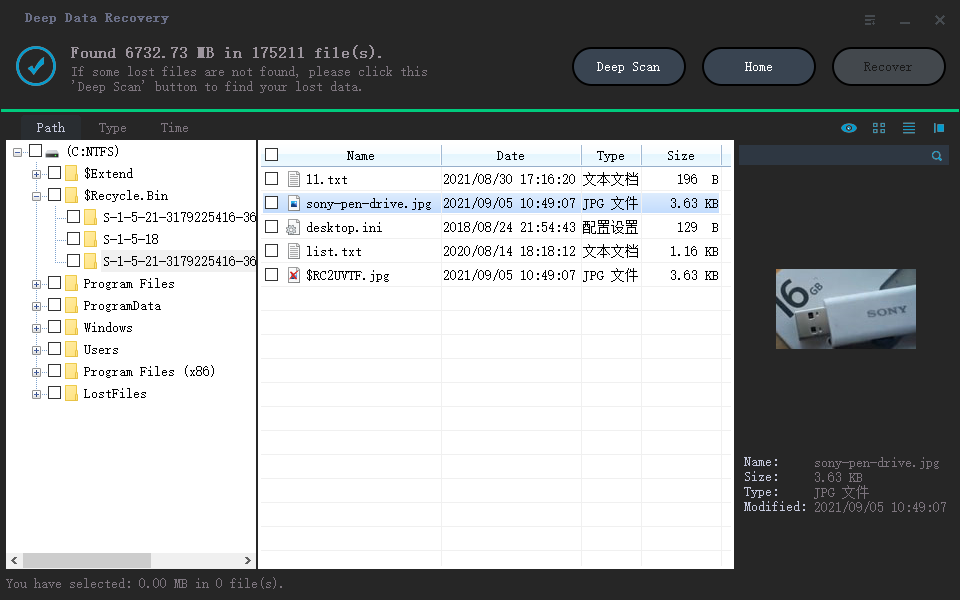
Step 4. The scan results will be displayed in the left pane, allowing you to select the desired file(s) and click the "Recover" button to retrieve them.
How to Use RM Command on Mac Safely
The Remote Management (RM) command is easy to use, but proper and safe usage is crucial. To use it safely, there are some tips to keep in mind, such as using it properly.
1. Use the - i flag for protection.
For example, rm - If you're sure you want to delete the files, you can confirm the deletion of each item. This will permanently remove the files from your computer. Be careful when deleting files, as they cannot be recovered once they're deleted. If you're not sure, you can cancel the deletion process and consider other options, such as moving the files to a different location or archiving them.
2. Delete the file(s) only if you're sure you won't need them anymore. If you're unsure, consider archiving or backing up the file(s) instead.
3. Back up Data Regularly
Related Articles
- Mac Data Recovery | How to Recover Pictures from Photo Booth on Mac
- How to Recover Deleted Files with Mac Terminal & Alternative Ways
- Mac Trash Recovery | Restore Trash Data on Mac
- Your Complete Guide: How to Recover Unsaved Keynote Files on Mac
- How to Recover Deleted/Lost Photos from Memory Card
Want to know how to recover deleted photos from memory card on Mac or Windows 11/10/8/7? Here are the simple step-by-step guide for memory card photo recovery. - How to Recover Files from RAW Partition/Disk for Free
If your hard drive is inaccessible and shows up as RAW in the file system, you can recover data from it for free.
Products
Articles & Tutorials
- Data Recovery
- Data Backup
- File Recovery
- File Backup
- System Backup and Restore
- Disk and Partition Clone
- Technical articles
- Mobile articles
- Disk Master Help
- Windows Data Recovery Tutorials
- Windows Secure Delete Tutorials
- Windows Partition Management Tutorials
- Windows File Backup and Restore Tutorials
- Windows System Backup and Restore Tutorials
- Windows Disk Backup and Restore Tutorials
- Windows Clone Tutorials