How to Remove Activation Lock from Apple Devices [Step by Step Tutorial]
The Activation Lock is a security feature that helps secure your device and makes it harder for someone to reactivate it without permission, even if you remotely erase it.
Activation Lock can be a challenge when buying a second-hand Apple device that is still connected to the previous owner's iCloud account, making it difficult to access and use the device.
If you need to remove the Activation lock on your Apple device, you may require some tips and tricks to regain full control over your device. This post aims to provide you with the necessary information on how to remove Activation Lock, allowing you to unlock your device and use it as desired.
Part 1. How to Remove Activation Lock on iPhone, iPad, Mac, Apple Watch
If you own an Apple device and remember the Apple ID and password used to set it up, you can turn off the "Find My" feature to remove the Activation Lock. However, if you've forgotten the Apple ID and password, resetting the password may be a solution.
If you're unable to reset your Apple ID, you may want to try other solutions outlined in this guide. Alternatively, you can check the below tips for removing Activation Lock on Apple devices.
On an iPhone and iPad:
Step 1. Launch the Settings app on your iPhone or iPad.
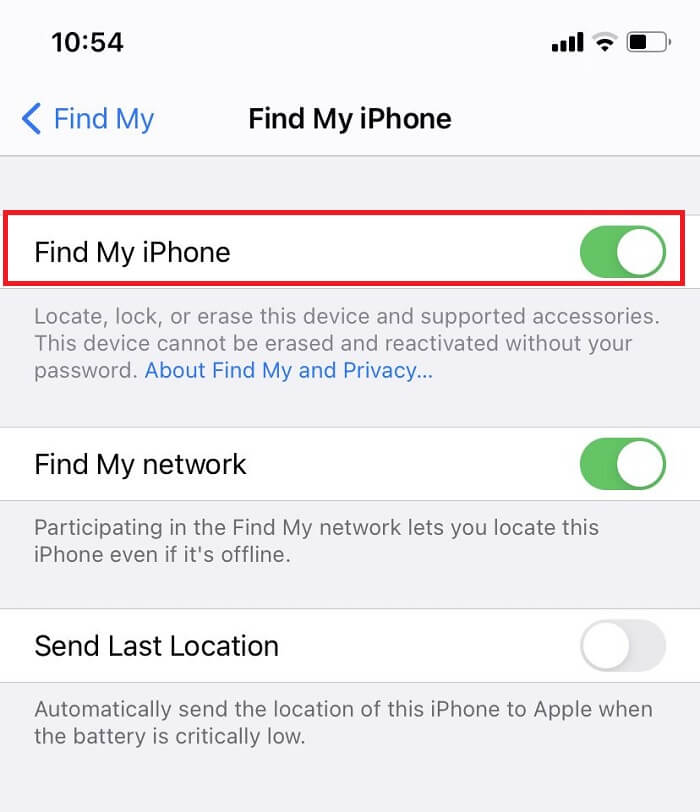
Step 2. To turn off Find My iPhone, go to your profile picture on your iPhone, tap on it, then tap on iCloud, and finally toggle off the Find My toggle.
Step 3. To turn off your iPhone, enter your Apple ID password and tap on the "Turn Off" button.
On an Apple Watch:
Step 1. To sync your Apple Watch with your iPhone, place the devices close together and open the Watch app on your iPhone. This will initiate the syncing process, allowing your watch and phone to communicate and update each other's data.
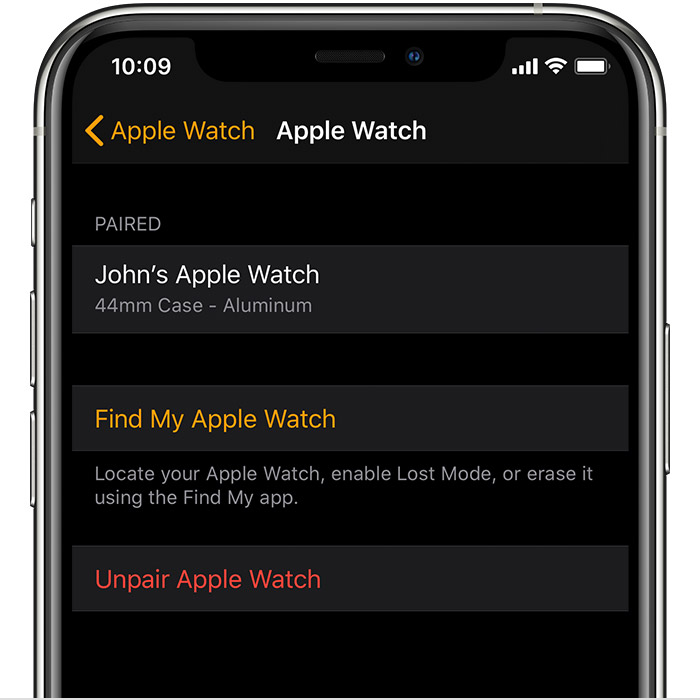
Step 2. To access all watches, tap the "My Watch" tab and then tap "All Watches" at the top of the screen.
Step 3. To unpair your Apple Watch, tap the info button next to it and select "Unpair Apple Watch."
Step 4. To confirm your Apple ID and password, enter them again and tap "Done".
On a Mac:
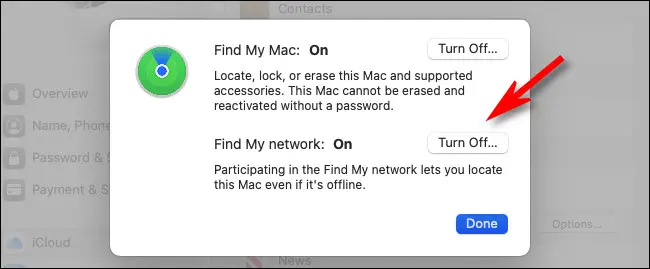
Step 1. To access the Apple ID settings on your Mac, go to the Apple menu at the top left corner of the screen and select System Preferences. From the System Preferences window, click on Apple ID.
Step 2. To disable Find My Mac, go to the sidebar and select iCloud, then toggle off the switch next to Find My Mac in the right panel.
Pro Tips: If you don't have access to your iPhone, iPad, Apple Watch, or Mac, you can use a web browser to remove Activation Lock from all Apple devices.
Step 1. Go to iCloud.com and sign in with your Apple ID and password.
Step 2. Click "All Devices" from the top menu.
Step 3. Select the device you wish to remove from iCloud.
Step 4. Click "Remove from Account."
Part 2. How to Remove Activation Lock on iPhone or iPad Without Apple ID
If you want to remove the Activation Lock on your device but don't remember your Apple ID and password, you can try using the "Find My" feature on another Apple device or computer to reset your password and then use it to remove the Activation Lock on your device. Alternatively, if you're unable to access your device, you can contact Apple Support directly and explain your situation, and they may be able to assist you in removing the Activation Lock.
To be honest, removing an iPhone or iPad Activation Lock is not easy, but with the right tool, things become simple. Qiling MobiUnlock, a popular iPhone unlocker, is the solution you need. This tool has helped millions of people remove various iOS locks, including screen lock, Activation Lock, Apple ID lock, screen time lock, and decrypt iTunes encryption.
You can get into a locked iPhone without a passcode or Apple ID, and also use its password manager to save and manage passwords on your iPad and iPhone.
To remove Activation Lock on iPhone or iPad:
Step 1. Connect your iPhone to a computer and launch Qiling MobiUnlock. From there, select "Bypass Activation Lock" to proceed with the process.
Step 2. Once your device is connected, click "Start" to initiate the process, which will then prompt you to review and agree to the Terms of Use, and then click "I Agree" and "Start" again to proceed.
Step 3. To proceed, you'll need to jailbreak your device by following the Jailbreak tutorial provided, or you can use alternative jailbreak tools instead.
Step 4. After successfully jailbreaking your device, you can proceed to bypass the iCloud Activation Lock by clicking on the "Bypass" option. This will initiate the process of removing the activation lock, allowing you to access and fully utilize your device.
Step 5. After following the steps, the iCloud Activation Lock on your iPhone or iPad will be successfully removed, allowing you to access and use your device as usual.
The Bottom Line
You've learned how to bypass the Activation Lock on Apple devices, which is a relatively simple process if you remember the associated Apple ID and password. However, if you've forgotten this information, you may need to seek assistance from a tool like Qiling MobiUnlock to make any changes to your device.
Having Qiling MobiUnlock installed on your computer, you can easily unlock your device if you're locked out, eliminating the need for a professional service or replacing the device. It's a convenient solution to have on hand.
Apple Activation Lock Removal FAQs
You can use the tips introduced above to remove the Activation Lock on any device, and to learn more about this topic, we've compiled some frequently asked questions about Apple Activation Lock.
Can you remove Apple ID Activation Lock without the previous owner?
If you can reach out to the previous owner of your device, you can use Qiling MobiUnlock to remove Apple ID Activation Lock. Alternatively, you can contact the original owner to see if they can help you remove your account.
How do I turn off the Activation Lock without Apple ID?
You can't turn off the Activation Lock if you've forgotten your Apple ID, but you can use a third-party service like Qiling MobiUnlock to remove the lock without needing your Apple ID. Alternatively, you can search online for services that offer to remove the Activation Lock, but be aware that this may come with a cost.
How much does it cost for Apple to remove the Activation Lock?
If you need help removing the Activation Lock from your iPhone or iPad, you can contact Apple Support. They can assist you in removing the lock, but you will need to provide proof of purchase, such as a receipt or form of identification, to verify your ownership of the device. This service is free, but you will need to provide the required documentation to complete the process.
Related Articles
- Fixed: File:\EFI\Microsoft\Boot\BCD Error in Windows 7/8/10
Encounter the File:\EFI\Microsoft\Boot\BCD Error code: 0xc00000f problem? You will find the best method to fix EFI Microsoft Boot BCD error in Windows 7/8/10. - Completely Erase Laptop Hard Drive before Selling | Stepwise Guide
How to completely erase a laptop hard drive before selling in Windows 10, 8, 7 step by step? Read this article and get 3 solutions. - 3 Ways | Fix a Corrupted External Hard Drive without Formatting
This tutorial offers three solutions to fix a corrupted external hard drive without formatting. You are also suggested to backup your hard disk for easy restoration. - Best Strategy for Gateway Laptop Hard Drive Failure Problem
Encounter Gateway laptop hard drive failure unexpectedly? This tutorial will show you how to backup data from the hard drive and move to new drive without booting Windows.
Products
Articles & Tutorials
- Data Recovery
- Data Backup
- File Recovery
- File Backup
- System Backup and Restore
- Disk and Partition Clone
- Technical articles
- Mobile articles
- Disk Master Help
- Windows Data Recovery Tutorials
- Windows Secure Delete Tutorials
- Windows Partition Management Tutorials
- Windows File Backup and Restore Tutorials
- Windows System Backup and Restore Tutorials
- Windows Disk Backup and Restore Tutorials
- Windows Clone Tutorials