[Detailed Guide]How to Put iPhone 8/iPhone X in DFU Mode
Quick Navigation:
- How to put iPhone in DFU mode
- Tip 1: Put iPhone 8/iPhone 8 Plus/iPhone X in DFU mode
- Tip 2: Put iPhone 7/iPhone 7 Plus in DFU mode
- Tip 3: Put iPhone 6 or earlier in DFU mode
- How to back up your iPhone files to protect your important data
To change your iPhone's operating system, such as downgrading to a previous iOS version, you need to put your iPhone in DFU mode. Unlike recovery mode, which reinstalls the iOS operating system, DFU mode allows you to install a different operating system. This is useful if you're experiencing bugs with your current iOS version and want to downgrade to a previous version. The process of putting your iPhone 8, 8 Plus, or X in DFU mode is detailed in this article, and the same steps can be applied to iPhone 7 and 6 models as well.
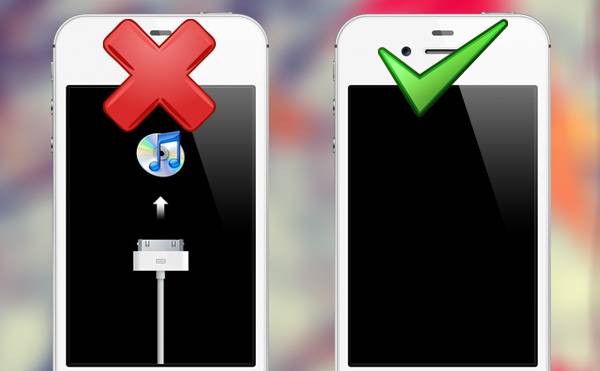
How to put iPhone in DFU mode
To avoid any issues, ensure your computer has the latest iTunes version, back up your iPhone data before putting it in DFU mode, and carefully review the steps beforehand.
Tip 1: Put iPhone 8/iPhone 8 Plus/iPhone X in DFU mode
Step 1: Connect your iPhone 8/iPhone 8 Plus/X to your computer and launch iTunes.
Step 2: Press the Volume Up button, quickly release, press the Volume Down button, quickly release, then press and hold the Sleep/Wake button until the iPhone screen goes black.
Step 3: If your iPhone screen goes black, release the Side button and then quickly press and hold both the Side and Volume Down buttons for 5 seconds. This will force your iPhone to restart.
Step 4: Press and hold the Volume Down button for 5 seconds, then release the Side button.
Step 5: To put your iPhone 8/8 Plus/X in DFU mode, plug it into your computer and open iTunes. Press and hold the Volume Down button on your iPhone for 10 seconds, then release it. Immediately press and hold the Connect to iTunes button (located on the top right corner of your iPhone) for 5 seconds. Release the Connect to iTunes button, but keep holding the Volume Down button for another 5 seconds. If iTunes detects your iPhone in recovery mode, it means you've successfully put it in DFU mode.
Step 6: If you have successfully put your iPhone 8/8 Plus/X in DFU mode, click "OK" and then select "Restore iPhone" to exit DFU mode once the restore process is complete.
Tip 2: Put iPhone 7/iPhone 7 Plus in DFU mode
Step 1: Connect your iPhone 7/7 Plus to your computer and launch iTunes.
Step 2: To shut down your iPhone, press and hold the Sleep/Wake button until a slider appears, then drag the slider to shut down your device.
Step 3: To force restart your iPhone, press and hold the Sleep/Wake button and the Volume Down button at the same time for 10 seconds.
Step 4: Hold the Volume Down button for 5 seconds after the initial 10 seconds have passed.
Step 5: If your iPhone screen remains black, you are now in DFU mode, and iTunes will detect your iPhone. To exit DFU mode, simply turn off your iPhone.
Tip 3: Put iPhone 6 or earlier in DFU mode
Step 1: Connect your iPhone 6 or earlier to your computer and run iTunes.
Step 2: To turn off your iPhone, hold and press the Sleep/Wake button until you see a slider on the screen, then drag the slider to switch off your device.
Step 3: Press and hold both the Sleep/Wake button and the Home button for 10 seconds. This will restart your iPhone.
Step 4: Then keep holding Home button only for another 5 seconds.
Step 5: If your iPhone screen stays black, it means your iPhone is now in DFU mode. At the same time, a window in iTunes will appear, indicating that iTunes has detected your device. To exit DFU mode, simply turn off your iPhone.
How to back up your iPhone files to protect your important data
If you're looking for a totally free tool for iOS data transfer and file management, I highly recommend MobiMover Free. This software allows you to back up your iPhone or iPad to your computer, export data from your computer to your device, transfer contents between devices, and manage your files from your computer. With MobiMover, you can transfer various types of files, including photos, movies, music, ringtones, and more, and even customize your iPhone ringtone or sync photos between devices. It's a convenient and free solution for all your iOS data transfer and file management needs.
Install MobiMover on your Mac or PC, then follow the steps to make a backup of all your iPhone content.
Step 1. To backup your iPhone, connect it to your PC, trust the computer, and launch Qiling MobiMover. Then, navigate to the "Backup Manager" and select "Back up" to initiate the backup process.
Step 2. Since all the supported files are selected by default, click "One-Click Backup" directly to start backing up your iPhone to computer.
Step 3. Wait patiently until the backup process completes. To restore a backup, go to "Backup Manager" > "Restore" and follow the onscreen instructions.
Related Articles
- [Tips] Windows 10 Photos App Not Working/Showing Photos
- RAID VS AHCI: Which Is Better? [Complete Guide]
RAID vs. AHCI, if you're still wondering which one is better, you can learn the differences between them and help you make the right choice through this article. - Solved: How to Recover Data from Corrupted Windows OS
You will learn how to easily recover data from corrupted Windows OS? Get the reason in your case and recover files with corresponding way. Here are 5 ways intotal. - How to Recover Deleted Windows.old Folder in Windows 10/8/7?
Find Windows.old folder deleted automatically and want to recover it? Learn efficient solutions from this page.
Products
Articles & Tutorials
- Data Recovery
- Data Backup
- File Recovery
- File Backup
- System Backup and Restore
- Disk and Partition Clone
- Technical articles
- Mobile articles
- Disk Master Help
- Windows Data Recovery Tutorials
- Windows Secure Delete Tutorials
- Windows Partition Management Tutorials
- Windows File Backup and Restore Tutorials
- Windows System Backup and Restore Tutorials
- Windows Disk Backup and Restore Tutorials
- Windows Clone Tutorials