How to Restore iPhone from Computer Backup, iTunes, and iCloud
Quick Navigation:
- Part 1. Restore iPhone from iTunes Backup or Finder
- Part 2. Restore iPhone from iCloud Backup
- Part 3. Restore iPhone from a Backup Made from Third-party Applications
- The Final Words
When resetting your iPhone, make a backup of important data and then restore it from a backup using a computer, iTunes, or iCloud.
Part 1. Restore iPhone from iTunes Backup or Finder
If you regularly back up your iPhone with iTunes, you can restore your iPhone from the backup after it's been reset or data is lost, recovering photos, videos, and app data. You can also back up sensitive info like account passwords if you encrypt the backup.
See detailed steps to restore iPhone from iTunes backup.
Step 1. Connect your iPhone to your PC using a lightning/USB cable, then open iTunes on your computer.
Step 2. Click the phone icon at the interface after it appears.
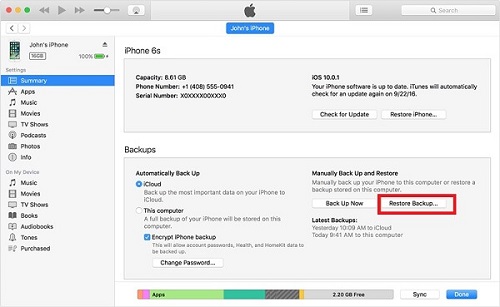
Step 3. To restore an iPhone from an iTunes backup, go to the "Manually Back up and Restore" section and click "Restore Backup". Then, select an iTunes backup from the popup and click "Restore" to restore the backup to your iPhone. If the backup is encrypted, you'll need to enter the password during the restoration process.
Step 4. Wait for the process to complete.
Part 2. Restore iPhone from iCloud Backup
If you're restoring your iPhone from an iCloud backup, you likely had the chance to back up your data before resetting your device. To do this, go to Settings on your iPhone, tap on your name at the top, and select "iCloud" from the list. Tap on "iCloud Backup" and then "Backup Now" to create a backup of your iPhone data. Once you've done this, you can reset your iPhone and then restore it from the iCloud backup by going to the "Setup" screen, tapping on "Restore from iCloud Backup," and entering your Apple ID and password to authenticate the backup. This should restore your iPhone to its previous state with all your backed-up data.
Back up your iPhone to iCloud
For most iPhone users, the 5GB iCloud storage limit is not enough to back up all their data, including photos, videos, and app data. To get your entire data backed up, you'll need to upgrade your iCloud plan to a higher storage tier, which will provide you with more available storage space. Once you've done that, you can follow the steps to complete the backup.
Step 1. Open the Settings app, tap your name at the top.
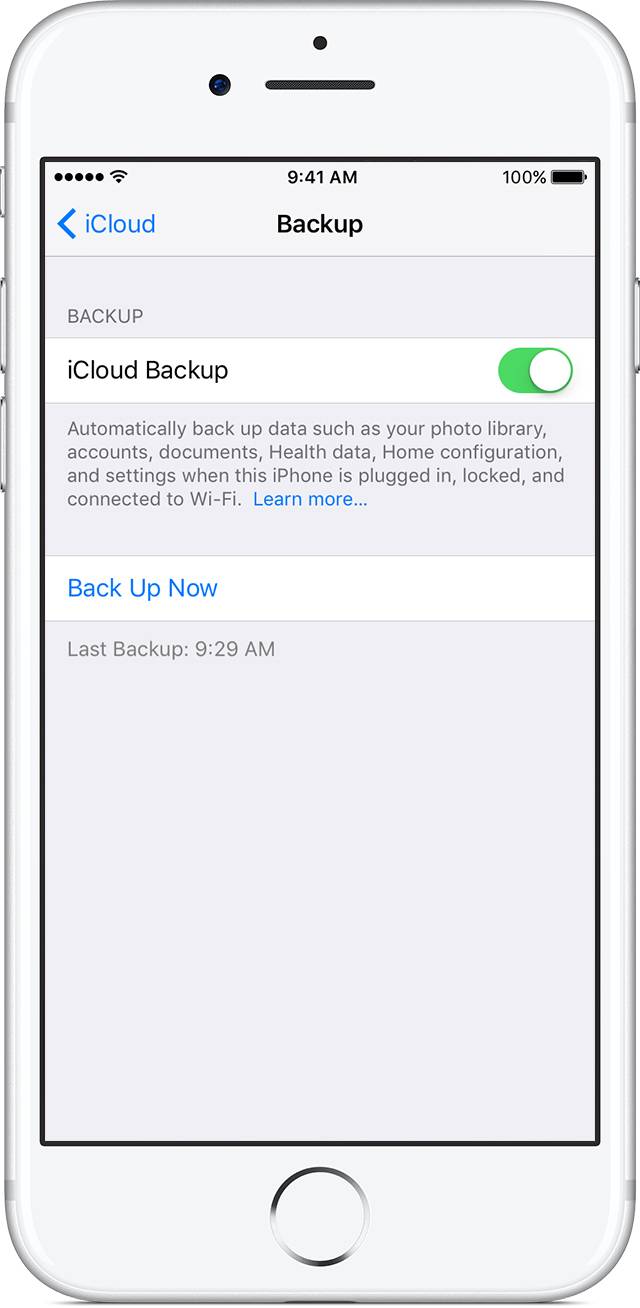
Step 2. Go to Settings, scroll down to find iCloud, and tap on it. Then, scroll down to find iCloud Backup and tap on it.
Step 3. To back up your data, tap "Back up Now" and select "iCloud Settings" to choose which data to include in the backup. Then, tap "Back up Now" again and select "Continue" to initiate the backup process.
Restore from iCloud backup
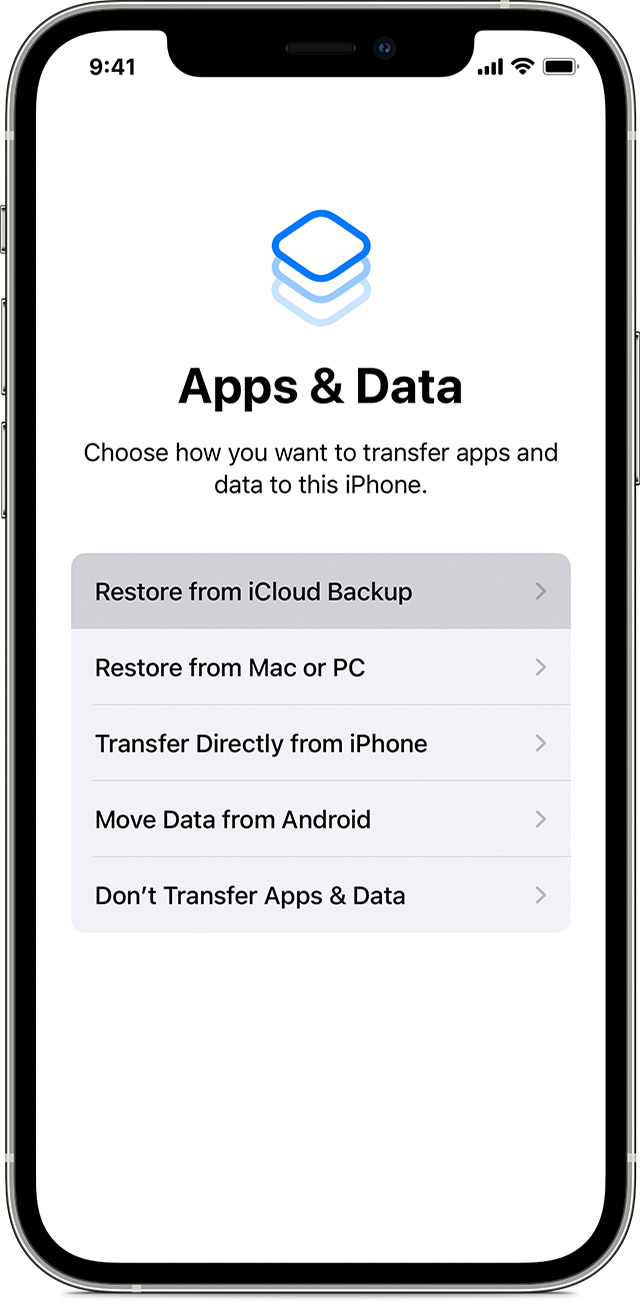
To restore your iPhone from an iCloud backup after resetting it, start from the Apps & Data screen in the setup process. Choose "Restore from iCloud Backup" and sign in with your Apple ID. Select a backup to begin the restore process, and then wait for it to complete.
Part 3. Restore iPhone from a Backup Made from Third-party Applications
Restoring an iPhone from iTunes or iCloud backup will erase the current data and replace it with the backup data. If you only want to recover a specific type of file, such as photos, from a previous backup without overwriting other files, you can use a third-party iPhone backup tool like Qiling MobiMover. This tool allows you to back up your iPhone content and then selectively restore specific files, rather than overwriting your entire device. Qiling MobiMover can back up various types of files, including photos, videos, music, messages, and more.
Personal data: Contacts, Messages, Notes, Voicemails, Safari Bookmarks.
Multimedia: Photos, Music, Videos, Voice Memos.
To restore your iPhone, follow the detailed steps below. For a backup, you can refer to the instructions on how to back up your iPhone using Qiling MobiMover.
Step 1. To backup and restore your iPhone, launch Qiling MobiMover on your PC, connect your iPhone to the PC, and click on "Backup & Restore" in the left panel.
Step 2. To restore your data, click on the "Restore" button, select a backup file (which can be either a one-click backup or a selective backup), and then click on "Restore" again.
Step 3. Wait for the process to complete. Then you can find the files are restored to your iPhone.
One-Click Restore recovers all data backed up with Qiling MobiMover, overwriting previous files, except for photos and videos.
Restoring an iPhone from a backup for certain files will only overwrite those specific files, but for important data like music, videos, photos, and contacts, an incremental restore is available, allowing added content to be kept on the iPhone.
The Final Words
You can restore your iPhone using three different methods: from iTunes, via iCloud, or by using a backup made with Qiling MobiMover on your PC. Each of these methods offers a way to recover your data and settings.
Restore from iTunes backup: To restore most of the data from an iTunes backup on a PC, you need to manually back up your iPhone data to iTunes first. However, keep in mind that restoring from iTunes will overwrite your iPhone, potentially resulting in the loss of new data.
Restore from iCloud backup: If you're resetting your iPhone or it's already been reset, you can easily restore it using an iCloud backup. This process is typically initiated during the iPhone setup process, making it a convenient option when you need to get back up and running quickly. As long as you have an existing iCloud backup, you can select it during the setup process to restore your iPhone to its previous state, saving you time and effort.
Restore from Qiling MobiMover backup: Restoring data from Qiling MobiMover won't affect any data not included in the supported items, so restoring photos won't change your iPhone's music, and this can be done at any time.
To ensure the security of your iPhone data, we recommend using a combination of Apple's native solutions, such as iTunes and iCloud, and a third-party tool like Qiling MobiMover, to regularly back up your data.
Related Articles
- [Guide]How to Sync Photos from iPhone to Mac in 5 Ways
- 3 Easy Methods to Convert iPhone Video to MP4
- How to Transfer Data from Android to iPhone Using Computer
- The Best Way for Samsung Data Migration to Clone OS Only
To find the best way for Samsung Data Migration clone OS only, you can read this article carefully and learn the easiest way and the specific tutorial.
Products
Articles & Tutorials
- Data Recovery
- Data Backup
- File Recovery
- File Backup
- System Backup and Restore
- Disk and Partition Clone
- Technical articles
- Mobile articles
- Disk Master Help
- Windows Data Recovery Tutorials
- Windows Secure Delete Tutorials
- Windows Partition Management Tutorials
- Windows File Backup and Restore Tutorials
- Windows System Backup and Restore Tutorials
- Windows Disk Backup and Restore Tutorials
- Windows Clone Tutorials