[iOS 11] iPhone 8/iPhone X Keeps Restarting? Fixes Here!
Quick Navigation:
- How to Fix "iPhone 8, iPhone 8 Plus or iPhone X keeps restarting" issue in iOS 11
- Tip 1: Reboot your iPhone 8/8 Plus/X
- Tip 2: Reset all settings on your iPhone
- Tip 3: Remove faulty Apps
- Tip 4: Equip your iPhone with a new battery
- Tip 5: Downgrade to iOS 10
- Tip 6: Restore your iPhone to factory settings
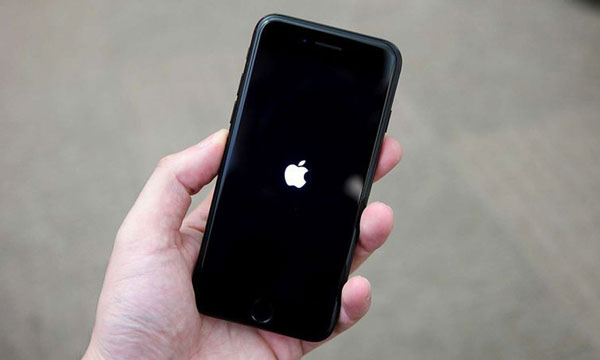
Many iPhone users have experienced issues with their device, such as it not charging, turning on, or restarting frequently. This article focuses on the problem of an iPhone 8, iPhone 8 Plus, or iPhone X constantly restarting, and provides possible solutions to help users cope with this issue.
- Notice
- If you're looking for a free software to transfer photos from your iPhone to your computer, there are several options available. One popular choice is Image Capture, which is a free software provided by Apple that allows you to transfer photos from your iPhone to your computer. You can also use Google Photos, which is a free service that allows you to upload and store your photos in the cloud, and then download them to your computer.
How to Fix "iPhone 8, iPhone 8 Plus or iPhone X keeps restarting" issue in iOS 11
If your iPhone 8 or iPhone X is frequently restarting, don't worry - there are possible solutions to this issue that are covered in this article. Trying the methods outlined here may help you resolve the problem and get your device running smoothly again.
Tip 1: Reboot your iPhone 8/8 Plus/X
If your iPhone 8, iPhone 8 Plus, or iPhone X keeps restarting, try force restarting your iPhone. To do this, press and quickly release the Volume Down button, then press and quickly release the Volume Up button, and finally press and hold the Side button until the Apple logo appears. This is different from earlier iPhones, which can be rebooted by pressing and holding the Sleep/Wake button and the Home button at the same time. This simple step can often resolve the issue.
Step 1: Press and quickly release the Volume Up button.
Step 2: Press and quickly release the Volume Down button.
Step 3: Press and hold the Side button until the Apple logo appears.
Tip 2: Reset all settings on your iPhone
If your iPhone 8/8 Plus/X keeps restarting every few minutes, try resetting all settings on your iPhone. To do this, go to Settings > General > Reset > Reset All Settings. This will restore your iPhone to its original settings, which may resolve the issue.
Tip 3: Remove faulty Apps
If your iPhone 8, 8 Plus, or X keeps restarting, it might be due to old apps that are incompatible with the iOS operating system. To resolve this, try deleting or updating these apps to their latest version. This should help resolve the issue and prevent your iPhone from restarting.
Tip 4: Equip your iPhone with a new battery
If your iPhone is experiencing a "keeps restarting" issue, try replacing the battery, cleaning the charging port, or changing the charging cable and USB adaptor to resolve the problem. This may be particularly relevant if your iPhone X or iPhone 8 is experiencing the issue while charging.
Tip 5: Downgrade to iOS 10
If your iPhone 7 or iPhone 6 keeps restarting after upgrading to iOS 11, try downgrading to iOS 10, which is the most effective solution in this case. However, if you have an iPhone X, iPhone 8, or iPhone 8 Plus, you should upgrade to the latest version of iOS available.
Tip 6: Restore your iPhone to factory settings
If the previous tips don't resolve the "iPhone 8/iPhone X keeps restarting" issue, you can try resetting your iPhone to its factory settings to start with a clean slate. This involves erasing all data and settings, and can be done by going to Settings > General > Reset > Erase All Content and Settings, or by connecting your iPhone to a computer and using iTunes to restore it to its factory settings. This will effectively reset your iPhone to its original state, allowing you to set it up as new.
Method 1: Reset your iPhone X/iPhone 8 to factory settings without iTunes
Step 1: Open Settings App on your iPhone X/8/8 Plus.
Step 2: Go to General > Reset.
Step 3: To delete all content and settings from your Google account, select "Erase All Content and Settings" among the options, then click "Erase Now".
Method 2: Reset your iPhone X/iPhone 8 to factory settings with iTunes
Step 1: Connect your iPhone X/8/8 Plus to yourcomputer and run iTunes.
Step 2: Tap on Trust on your iPad to continue.
Step 3: Click the Device button and choose Summary.
Step 4: To restore your iPad to factory settings, go to Settings > General > Transfer or Reset iPad > Erase All Content and Settings. Alternatively, you can connect your iPad to a computer and use iTunes to restore it to its factory settings.
Notes:
For iPhone users, a tool for iOS data transfer and file management is essential. Qiling MobiMover Free, a completely free software, is recommended. With MobiMover installed on your PC, you can export files from computer to iPhone/iPad, back up iPhone/iPad content to the computer, and sync data from one iDevice to another without any cost or limitation. You can transfer various files, including photos, music, contacts, messages, and more, and even add ringtones to your iPhone or sync contacts from an old iPhone to a new one, all without using iTunes or iCloud.
Step 1.Connect the two iPhones to your computer with compatible USB cables. Tap "Trust This Computer" on the devices. Launch Qiling MobiMover, select "Phone to Phone" mode, and choose the direction of data transfer. Click "Next".
Step 2.With MobiMover, you can transfer your entire iPhone data or select specific files directly without using iTunes, making it easy to sync the data you need with just a few clicks.
Step 3.Transferring data from iPhone A to iPhone B can now be done wirelessly without using iTunes. Simply keep your devices connected until the process is complete, then open the corresponding apps to check the synced items.
Related Articles
- How to Set up and Activate iMessage on iPhone X/8/8 Plus
- How to Clear Cache on iPad and Make Your iPad Run Faster?
- How to Fix iPhone Calendar Not Syncing with Google/Gmail/Outlook
- Connect iPhone to Computer with Qiling MobiMover Free
Products
Articles & Tutorials
- Data Recovery
- Data Backup
- File Recovery
- File Backup
- System Backup and Restore
- Disk and Partition Clone
- Technical articles
- Mobile articles
- Disk Master Help
- Windows Data Recovery Tutorials
- Windows Secure Delete Tutorials
- Windows Partition Management Tutorials
- Windows File Backup and Restore Tutorials
- Windows System Backup and Restore Tutorials
- Windows Disk Backup and Restore Tutorials
- Windows Clone Tutorials