Benchmark SSD Performance on Windows
Learn how to benchmark SSD performance in Windows, avoid misleading results, and fix partition or free-space issues before testing again.
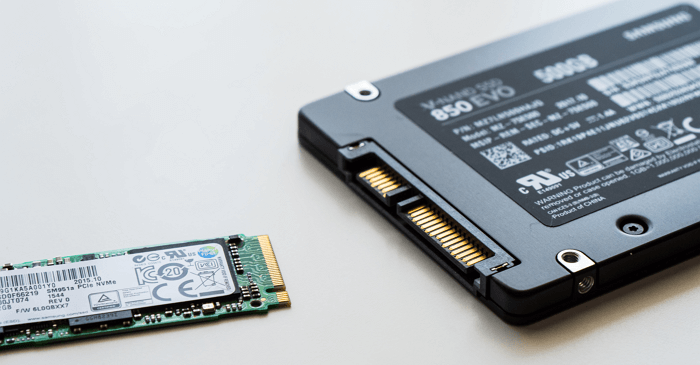
What to Measure
SSD performance depends on sequential speed, random I/O, interface mode, free space, temperature, and firmware. A single speed number is not enough to decide whether the drive is healthy.
Prepare a Fair Test
- Close large apps and pause downloads.
- Keep the SSD below heavy thermal load.
- Use the same test size for comparison.
- Check whether the SSD is connected to the expected SATA, NVMe, or USB speed.
Use Qiling Disk Master When Windows Tools Are Not Enough
Use the benchmark tool to test speed, and use Qiling Disk Master to check whether the SSD layout or free space is causing a bad result. If the SSD has enough free space and the layout is normal, you do not need to change partitions.
Step 1. Decide which SSD you want to test. If the PC has more than one SSD, write down the model name, capacity, and drive letter first.
Step 2. Close programs that can use the SSD heavily, such as games, downloads, cloud sync, antivirus full scan, virtual machines, and large file copies.
Step 3. Let the SSD cool down if you just copied many files or played a game. A hot SSD may slow itself down, which makes the benchmark result look worse than normal.
Step 4. Check the connection. An NVMe SSD should be in an NVMe slot, a SATA SSD should use a SATA 6Gb/s port, and an external SSD should use a fast USB 3.x or USB-C port with a good cable.
Step 5. Open Qiling Disk Master and find the same SSD by model, capacity, and partition layout. This step is only for checking the disk layout, not for starting the speed test.
Step 6. Check the partition you will benchmark. If it has at least 15% to 20% free space, do not change the partition. Run the benchmark directly with your SSD speed test tool.
Step 7. If the test partition is almost full, first delete temporary files, uninstall unused games, or move personal files to another drive. This is safer than changing partitions.
Step 8. If the SSD has unallocated space directly next to the test partition, select that partition in Qiling Disk Master and choose Resize/Move to extend it.
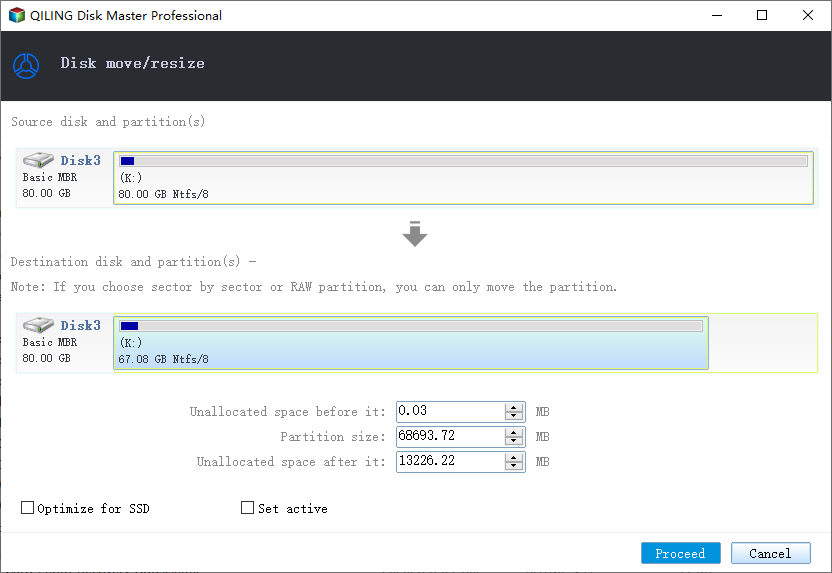
Step 9. If another partition is between the test partition and the unallocated space, back up important files first. Then move the blocking partition so the free space becomes adjacent.
Step 10. Preview the operation list. It should only show changes on the intended SSD. If the wrong disk or partition appears, cancel and reselect the target.
Step 11. Click Proceed only when you actually need to resize or move a partition. If you only checked free space and layout, do not click Proceed.
Step 12. After the layout is fixed, run the same benchmark again with the same test size and the same drive letter.
Step 13. Read the result by interface. A SATA SSD will not reach NVMe speed, and an external SSD may be limited by the USB port, cable, or enclosure.
Step 14. If speed is still much lower than expected, check the cable, port, driver, BIOS storage mode, SSD temperature, and SSD health before replacing the drive.
Conclusion
A useful SSD benchmark starts with a clean test environment, enough free space, and the right interface. If the result is low, check layout, temperature, cable, port, and SSD health before assuming the drive is defective.
For a repeatable test rather than a single speed number, follow the SSD benchmark guide and keep test size, interface, and free space comparable.
Related Articles
Products
Articles & Tutorials
- Data Recovery
- Data Backup
- File Recovery
- File Backup
- System Backup and Restore
- Disk and Partition Clone
- Technical articles
- Mobile articles
- Disk Master Help
- Windows Data Recovery Tutorials
- Windows Secure Delete Tutorials
- Windows Partition Management Tutorials
- Windows File Backup and Restore Tutorials
- Windows System Backup and Restore Tutorials
- Windows Disk Backup and Restore Tutorials
- Windows Clone Tutorials