Best Rufus Alternative For Windows Compatible with Windows 11/10
If you're looking for alternatives to Rufus that are more capable and robust, this article is for you. We'll explore the best alternatives to Rufus, highlighting their features, which include similar functions to Rufus as well as unique features. By the end of this article, you'll be able to evaluate the best alternative that suits your needs. Let's take a closer look at each available option.
What's Rufus?
Rufus is a software utility that allows you to create a bootable USB drive, install Windows 10, and generate multiboot USB drives with multiple operating systems on the same device, offering both basic and advanced formatting options for USB flash devices.
It can add bootable or non-A bootable media creator tool is a Windows utility that allows you to create bootable media on USB devices and flash drives. This tool is designed to help you troubleshoot and resolve issues that are affecting your PC's performance, making it a useful addition to your Windows toolkit.
Why Do You Need Rufus Alternatives?
If you're experiencing issues with Rufus, such as being unable to create a bootable USB, lack of support, or the tool not meeting your needs due to problems like inability to create a bootable USB, you can consider alternative tools that may better suit your requirements.
- 1. Rufus not booting UEFI.
- 2. Rufus is not responding.
- 3. Rufus can't a create bootable USB drive.
- 4. Rufus does not have enough space
- 5. Rufus not opening in Windows 10.
- 6. Rufus does not see a hard drive. `
Rufus, a popular tool for creating bootable USB drives, has some limitations, including only supporting Windows machines, leaving Mac and Linux users without a similar alternative. This highlights the need for a different solution to help users overcome these issues.
Best 3 Rufus Alternatives for Windows
Rufus is an error-While LibreOffice is free, super-fast, and supports multiple platforms without installation, it's not immune to glitches that can render it useless. To avoid such frustrations and work efficiently, consider exploring alternative options.
If you're looking for alternatives to Rufus, there are several options available, but most don't quite match its performance or stability. However, we've found three top-notch alternatives that can help you create a bootable Windows drive on your Windows system. These alternatives provide the same level of functionality and reliability as Rufus, making them a great choice for those who need to build a bootable Windows drive.
1. Etcher
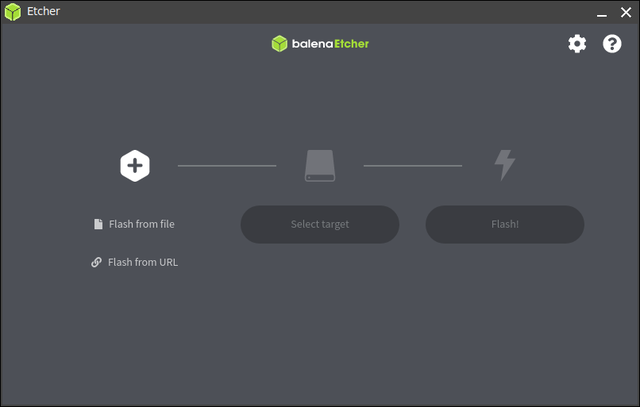
Etcher is an open-A utility software used to burn .iso and .img files to create a live SD card and USB flash drive. It offers an image validation feature, which verifies the system image and removable drive before flashing.
This software offers a complete replacement for the Rufus image flashing tool, along with some fantastic features that make it a great option.
Highlighted Features
- Fast in flashing images.
- Has a very simple and straightforward interface.
- It works faster than Rufus.
- It does not wipe or alter the entire hard drive.
- Ensures proper burning of images
- It supports system images.
- It is hard-drive friendly.
- It supports Windows, Mac OS, and Linux
Pros
- Available for free
- High speed software
- 100% reliable software
- Support OS and system images
Cons
- User might lose data
- It is comparatively large software
All in all, Etcher is a full-A full-fledged program and a complete replacement for the Rufus image flashing tool, the new tool is designed to provide a more user-friendly and efficient experience for users.
2. Windows Media Creation Tool
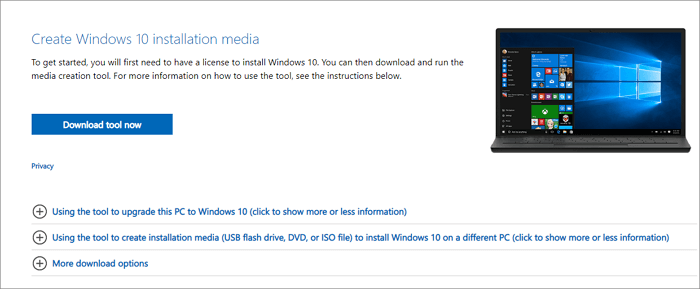
The Windows Media Creation Tool, developed by Microsoft, enables you to easily install Windows 10 on your PC by creating a bootable USB and detecting compatible software to download the latest Windows 10 image.
Features
- It does not slow down the system.
- It has a user-friendly interface.
- It automatically creates a bootable USB.
- It can detect your system configuration on its own.
- It automatically builds a bootable USB.
Pros
- Simple to use UI.
- It is capable of creating installation media for another PC
- Users can use the bootable media to install the Windows 10 operating system, which allows them to set up a new device or upgrade an existing one to the latest version of Windows.
Cons
- It slows down the file flashing process.
- Takes time in prepare and installation
- Limited to Windows only.
If you only want to flash your Windows, this tool is the most trusted and reputable option.
The Rufus tool and the Windows Media Creation Tool are two distinct utilities for creating bootable USB drives. While Rufus is a free, open-source tool that can create bootable drives for various operating systems, including Windows, macOS, and Linux, the Windows Media Creation Tool is a proprietary utility that only creates bootable drives for Windows. The key difference between the two lies in their functionality and flexibility, with Rufus offering more customization options and support for a wider range of operating systems.
3. Qiling Disk Master
If you want to create a portable Windows To Go USB drive easily and affordably, Qiling OS2Go is a great tool for you. It allows you to create a Windows-based drive in a few simple steps, which can be a lifesaver if your computer suffers from a boot failure. Additionally, it can also enable you to play Windows-based games on a Mac, making it a versatile and useful tool.
Features:
- The software is capable of creating a portable Windows system drive that can be used on both Mac and Windows operating systems.
- It does not require installing boot camp specifically for Mac
- Provide consistency in smooth running of apps
- Completely safe and reliable software
- Available for a free trial
- Easy to carry in a USB drive
Pros:
- It lets you install Windows on Mac without boot camp.
- It can serve as many users as possible.
Cons
- None
Comparison and Conclusion
Many Rufus alternatives offer improved features and better compatibility, surpassing the original Rufus in various aspects.
The main difference between Rufus and Qiling OS2Go is their functionality: Rufus creates bootable USB drives from Windows ISO files for installation, whereas Qiling OS2Go clones and makes bootable a Windows system drive on a USB device. Additionally, Rufus is exclusive to Windows machines, whereas Qiling OS2Go supports both Windows and Mac.
Considering your requirements, you can choose the best feature that suits you. If you're in a rush, don't be picky, be selective, and pick a tool that's efficient and intuitive for performance. We suggest giving Qiling OS2Go a try.
Related Articles
- How to Create Windows 11 to Go
- Without Boot Camp | How to Play Valorant on Mac
- Download and Install Windows 11 with Media Creation Tool
- Windows To Go for Mac: How to Install and Use
- A Powerful PC Junk Cleaner for Windows 10 And 11
How to make the computer run faster? An excellent PC junk cleaner for Windows 10 can help you, which can remove all kinds of junk files to free up more space and improve computer performance. - How to Convert Boot Disk Between MBR and GPT Styles without Data Loss?
Learn how to convert a boot disk between MBR and GPT without data loss using Qiling Disk Master or Windows tools.
Products
Articles & Tutorials
- Data Recovery
- Data Backup
- File Recovery
- File Backup
- System Backup and Restore
- Disk and Partition Clone
- Technical articles
- Mobile articles
- Disk Master Help
- Windows Data Recovery Tutorials
- Windows Secure Delete Tutorials
- Windows Partition Management Tutorials
- Windows File Backup and Restore Tutorials
- Windows System Backup and Restore Tutorials
- Windows Disk Backup and Restore Tutorials
- Windows Clone Tutorials