Troubleshooting: Why Can't I Format My USB Drive as FAT32
Storage devices like USB or external hard drives with large storage capacities have become popular for saving and backing up essential data, valuable files, and even games. A notable improvement is that these devices are becoming smaller in size, making them more portable and convenient to use.
Some USB users may want to format their drives as FAT32, but are unable to do so in Windows, sparking confusion. This page will address this issue and provide a step-by-step guide on how to format a USB drive as FAT32.
In this article, you'll learn:
- Why You Can't Format Your USB Drive as FAT32
- What Blocked You from Formatting USB to FAT32
- Can't Format USB Drive as FAT32? Try These Fixes!
Formatting a device's file system and clearing all saved data from the device is known as formatting. Before doing so, it's essential to back up any valuable files to a secure location to avoid losing them.
Why You Can't Format Your USB Drive as FAT32
The inability to format a USB drive to FAT32 can be due to various reasons, with multiple factors sometimes contributing to the issue.
Formatting issues with USB flash drives or external disks can be caused by various factors, including a faulty USB drive, corrupted file system, virus or malware infection, improper shutdown or power outage, software conflicts, or outdated device drivers. Additionally, issues with the USB drive's controller chip, worn-out contacts, or physical damage can also prevent formatting.
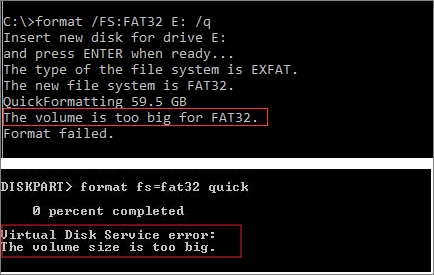
- Your drive is too large for FAT32
- USB drive format is not supported by Windows or Mac
- USB is write-protected, locked, or encrypted
- Virus or malware infection
If you're wondering why you can't format a drive, the next guide will help you identify the real reason behind this issue.
What Blocked You from Formatting USB to FAT32
Here is a step-Here's a one-paragraph, step-by-step guide to help you find the right fix for your issue:
Step 1. Connect your USB to the computer, and open File Explorer.
Step 2. Check if your USB has symptoms such as not being recognized, not being detected, or not being able to read or write data. It may also display error messages or be unable to transfer files.
- USB drive doesn't show up - go to Step 3.
- If your USB drive shows up but becomes inaccessible, try the following method: 1. Download and install the latest version of the USB drive's manufacturer software.
- If your USB drive shows up but is password protected, you can try using a third-party software such as Qiling Disk Master or iMyFone D-Back to bypass the password. These tools can help you recover your data from the USB drive without needing the password.
- If your USB drive shows up but the files' extensions are abnormal or strange, you can try the following: Go to the Start menu and click on the "Computer" or "This PC" icon. Right-click on the USB drive and select "Properties.
- If your USB drive shows up, files are normal, but the drive is larger than 32GB, you can use Method 1. This method involves using a tool like Rufus to create a bootable USB drive.
Step 3. To access Disk Management, press the Windows key + R, type "create and format hard drive partition" and press enter, or simply type "diskmgmt.msc" and press enter, and then click to open Disk Management.
Step 4. Check if the USB drive has the listed symptoms here:
- If your USB drive shows up as * or an unknown device, try Method 1 to resolve the issue.
The formatting USB to FAT32 failure error can be caused by a variety of reasons, including issues with the USB drive itself, such as physical damage or a faulty controller, or problems with the computer's operating system or file system, such as corrupted system files or incorrect file system settings, or even issues with the formatting software or tool being used, such as a faulty or outdated version. Additionally, the presence of certain files or folders on the USB drive, such as system files or hidden files, can also prevent the formatting process from completing successfully.
- A USB drive may become inaccessible due to internal errors or file system issues. This can occur when the drive's internal components fail or when the file system becomes corrupted, making it impossible to access the data stored on the drive.
- You added a password to protect the USB content from being modified.
- The file extension is abnormal, indicating that the drive may be infected with a virus or malware, which has altered the file's normal extension. This could potentially lead to security risks if the file is opened or executed.
- USB drives larger than 32GB use a different file system, such as NTFS or exFAT, rather than the older FAT32 format, in order to support larger storage capacities.
- The USB format is not recognized by Windows because the file system used on the USB is not supported by Windows, such as ext2/3/4, hfs, xfs, etc.
Can't Format USB Drive as FAT32? Try These Fixes!
Here are the steps to troubleshoot the 'Can't Format USB Drive as FAT32' error: If you're getting the 'Can't Format USB Drive as FAT32' error, try checking the file system of your USB drive, checking for malware, running a disk check, and formatting the drive with a different file system. Additionally, you can try using a different formatting tool, checking the USB drive for physical damage, and using a USB drive recovery software to recover any lost data. If none of these steps work, it's possible that the USB drive is faulty and may need to be replaced.
- Method 1. Format USB as FAT32 via Third-party USB Formatter Tool
- Method 2. Unlock Password-Protected USB and Format It to FAT32 via CMD
- Method 3. Cleanup Virus/Malware and Format USB to FAT32 in File Explorer
- Notice:
- If your USB drive is working fine and everything's accessible, go ahead and back up all essential content from the USB drive to another safe location.
Method 1. Format USB as FAT32 via Free Third-party USB Formatter Software
Third-Qiling Partition Master Free is a featured and powerful disk management tool that can fix USB inaccessible or unrecognized issues by formatting and changing its format into a Windows supported file system.
Here are the steps to format USB as FAT32:
Step 1. Select the USB drive to format.
To format a USB drive, connect it to your computer and download the Qiling partition software. Then, launch the software and right-click the USB drive you want to format, selecting the "Format" option.
Step 2. Set the drive letter and file system on USB.
Assign a new partition label, file system (NTFS, FAT32, EXT2, EXT3, EXT4, exFAT), and cluster size to the selected partition, then click "Proceed".
Step 3. Check "OK" to confirm formatting USB.
Click "OK" if you see the Warning window. If you have important data on it, back up the data in advance.
If your USB drive is formatted in NTFS and is too large to format to FAT32, this software allows you to convert NTFS to FAT32 without formatting, retaining everything inside the drive safely.
Step 1. To convert a target device partition to FAT, right-click on it and select "Advanced" from the context menu, then choose "Convert to FAT" from the options that appear.
Step 2. When the check process finishes, click "Continue" to begin the NTFS to FAT32 conversion.
Step 3. Click "Finish" to save all changes.
Method 2. Unlock Password-Protected USB and Format It to FAT32 via CMD
To format a USB drive with password protection, you'll need to remove the protection first. However, this can prevent you from changing the file system. Fortunately, using Windows command lines can help you format the USB drive as FAT32, resolving the issue.
Here are the steps to format a write-protected USB to FAT32:
#1. Unlock Password-Protected USB via CMD
Step 1.To open the Command Prompt with administrator privileges, press the Windows key + R to open the Run dialog, type "cmd", and then right-click on Command Prompt in the search results and select "Run as Administrator".
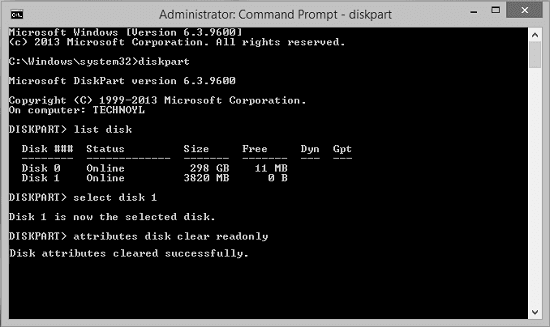
Step 2. Type the following command lines one by one and hit Enter each time:
- diskpart
- list disk
- select disk # (Replace # with the disk number of USB drive.)
- attributes disk clear readonly
Step 3. Wait for the process to complete, and you'll see a message "Disk attributes cleared successfully".
Once you've completed the previous guide, you can proceed to format the USB drive as FAT32. This will allow you to write to the drive on a variety of devices.
#2. Format USB as FAT32 in CMD
Step 1.To run the Command Prompt as an administrator, press the Windows key + R to open the Run dialog box, type "cmd", and then right-click on the Command Prompt icon that appears in the search results. From the context menu, select "Run as Administrator".
Step 2. Sure, what would you like to do?
- diskpart
- list disk
- select disk # (Replace # with the number of your USB drive.)
- list volume
- select volume # (Replace # with the volume number of your USB flash drive.)
- format fs=fat32 quick
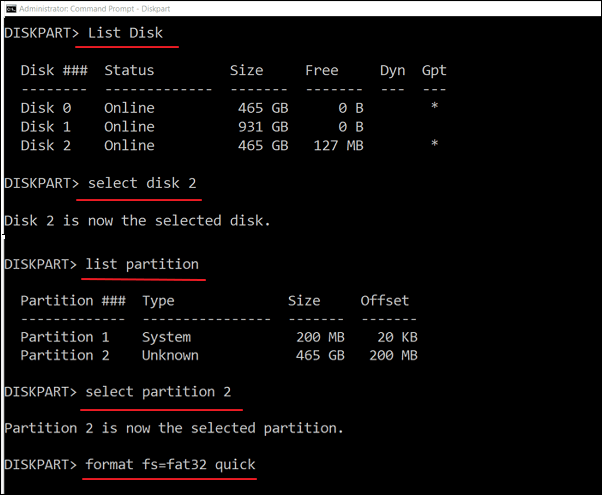
Step 3. Type exit to close the command prompt.
After this, you can check if your USB is in FAT32 format.
Method 3. Cleanup Virus/Malware and Format USB to FAT32 in File Explorer
If your USB drive or other storage devices are infected with a virus or malware, it may prevent you from formatting them. In such cases, the content saved inside may appear abnormal. To resolve this issue, you can follow the complete procedure to format the USB drive or other storage devices, which involves taking necessary precautions to avoid spreading the infection, disconnecting the device, running a virus scan, and then safely formatting the device.
#1. Clean Up Virus or Malware from USB and PC
Step 1. Connect the USB to your PC.
Step 2. Launch antivirus software, such as Avira, Avast, AVG, etc.

Step 3. To ensure complete removal of viruses or malware, scan both your USB drive and the PC with an antivirus software. This will help identify and eliminate any potential infections on both devices.
To ensure the drive is safe for data storage, follow these steps: format the drive, reset the file system, and make the USB drive safe for data saving. This will make the drive safe for data storage and prevent any potential issues.
#2. Format USB to FAT32 in File Explore
Step 1.Connect a USB drive to your PC and open File Explorer by pressing Windows + E.
Step 2. Locate and right-click the USB drive, select "Format".
Step 3. Set the file system format to FAT32 and enable Quick Format.
Step 4. Click "Start" and wait for the process to complete.
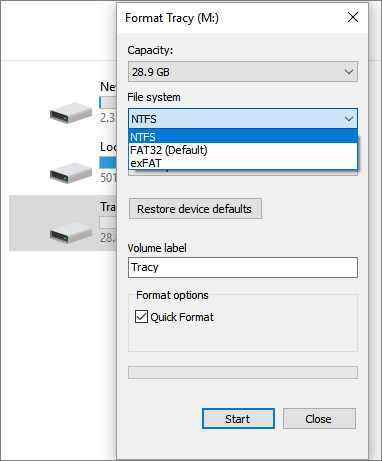
Once the process is completed, your USB drive is now secure to save new files again.
Bonus Tip: How to Rescue Lost Data after Formatting USB as FAT32
Some of you may have the same issue here: the USB drive may contain some errors, and they followed the methods above to format USB as FAT32 successfully.
If a USB drive is accidentally formatted, - your lost data can still be recovered. Powerful data recovery software like Deep Data Recovery can efficiently bring back your lost data, even after formatting, if the USB drive contained some useful data.
Here is how to do so:
Step 1. Select file types
Launch the Deep Data Recovery software, choose the desired file types, and click "Format Scan" to initiate the recovery process.
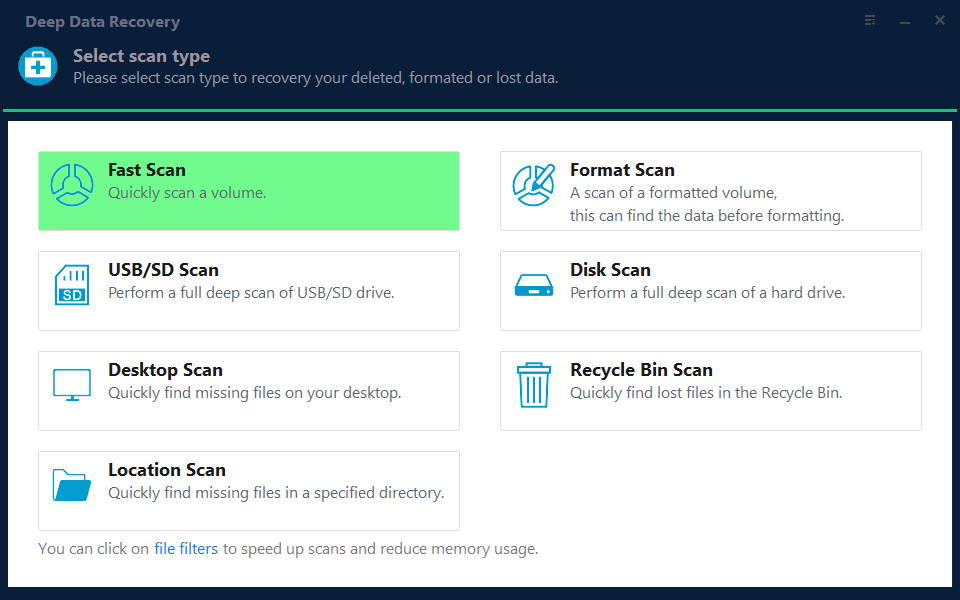
Note: You can choose different search modes based on where and why the data was lost.
Step 2. Choose the USB drive to scan
Connect your USB drive to your computer and select the drive where you lost your files. Click the "Scan" button to initiate the scanning process. This will allow the software to search for and potentially recover your lost files.

Step 3. Check and preview USB drive data
After the scanning process is completed, you can efficiently find a particular type of file by utilizing the Filter feature and the Search option, both of which can help you quickly locate the desired file.

Step 4. Restore flash drive data
After finding lost files on a USB drive, click "Recover" to restore them. Save the recovered files to a safe location on your PC, not back to the USB drive.
Formatting USB as FAT32 Could Be Easy with Correct Methods Here
On this page, we discussed why sometimes people couldn't directly format the USB drives, external hard drives, or even SD cards as FAT32.
If your NTFS USB drive is too big to format to FAT32, there are a few reliable methods to help. One solution is to convert the NTFS USB to FAT32 using the free Qiling formatting tool, Partition Master, which can handle large drives. This method can help resolve the issue without any complications.
If the drive is write-You can format a protected drive to FAT32 using the Command Prompt, or clear a virus-infected drive and change its file system to FAT32 through File Explorer.
Formatting a USB drive as FAT32 is a straightforward process, and even if you encounter errors, there are solutions available. You can still successfully format your USB drive using the correct methods and troubleshooting steps provided.
Related Articles
- How to Convert Primary to Logical or Logical to Primary in Windows 11 [2022 Guide]
- Top 10 Best Free Partition Manager Tools for Windows 11/10 (2022 Guide)
- What Is Command Prompt, How Do I Open and Use It [2022 Guide]
- How Do I Clone HDD to SSD in Windows 11 and Make It Bootable? 2022 Complete Guide
- How to Format a Hard Disk Drive in Windows 7?
Learn how to format hard drive in Windows 7 quickly to prepare a clean installation of Windows or for other purpose. - The Top Six Ways to Fix Windows 7 running slow
Stuck with “Windows 7 slow” issue but have no idea? Read this post to learn how to speed up a Windows 7 PC and improve its performance.
Products
Articles & Tutorials
- Data Recovery
- Data Backup
- File Recovery
- File Backup
- System Backup and Restore
- Disk and Partition Clone
- Technical articles
- Mobile articles
- Disk Master Help
- Windows Data Recovery Tutorials
- Windows Secure Delete Tutorials
- Windows Partition Management Tutorials
- Windows File Backup and Restore Tutorials
- Windows System Backup and Restore Tutorials
- Windows Disk Backup and Restore Tutorials
- Windows Clone Tutorials