External SSD Read-Only After Unsafe Removal in Windows
After an abrupt unplug, Windows may show an external SSD as read-only or refuse to copy new files to it. The cause may be a connection problem, file-system error, access permission, or the drive entering a protective state. A formatting prompt is not a diagnosis.
Check the symptom without writing to the drive
Step 1. Safely reconnect the SSD using a direct port and a known-good cable. Note its model, capacity, and drive letter in File Explorer and Disk Management. If it repeatedly disconnects, stop testing and prioritize a copy of the readable data.
Step 2. Check whether existing files open and whether the drive is marked read-only in its properties or by Windows. An access-denied message on one folder differs from the whole device refusing writes. Do not initialize, repartition, or format the disk to test it.
Step 3. If the drive is BitLocker-protected, confirm that it is unlocked before assuming the device itself is read-only. If Windows reports file-system errors, defer write-based repair until a separate backup exists.
Copy accessible data before repair
Step 1. Open Qiling Disk Master Pro and choose Backup and Recovery > File backup. Select the readable folders on the external SSD directly in the source tree.
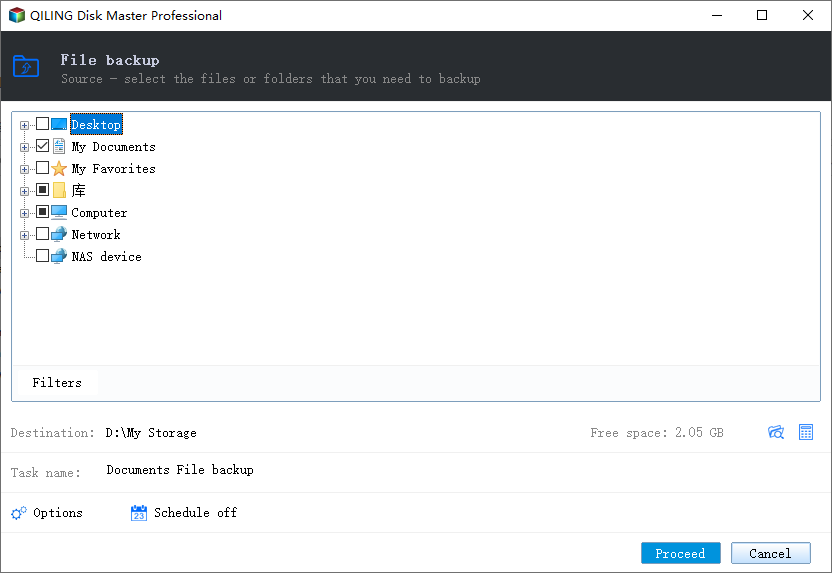
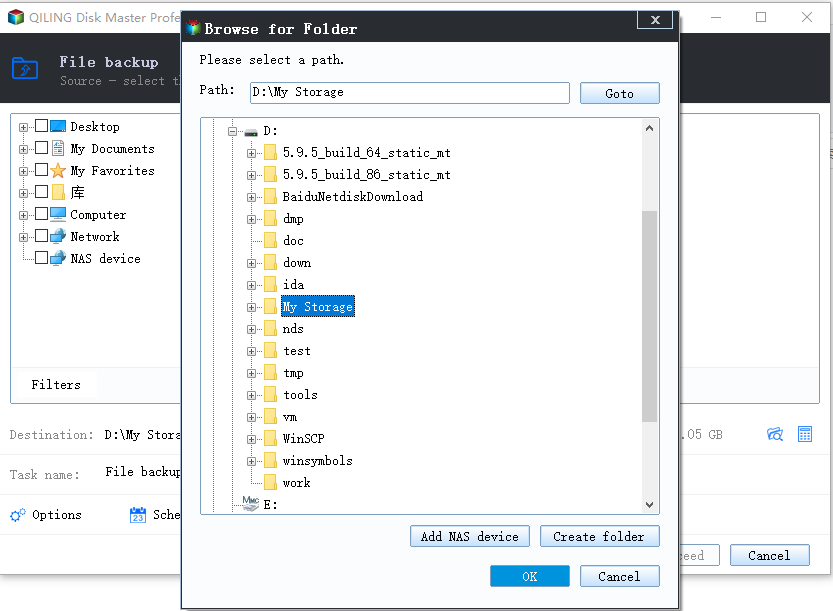
Step 2. Choose a different physical drive as the destination, check its available space, and click Proceed. Confirm that the resulting backup contains the expected folders and files.
Once the data is safe, inspect the drive with the manufacturer's diagnostics and Windows disk information. Do not clear a read-only attribute blindly: hardware or firmware protection may be preventing further damage. If even reads fail or the drive vanishes, software repair is unlikely to help.
Related Articles
- External Drive Write Protection
Compare device-level protection with a folder permission problem. - Check SSD Health
Review disk health before attempting repairs.
Products
Articles & Tutorials
- Data Recovery
- Data Backup
- File Recovery
- File Backup
- System Backup and Restore
- Disk and Partition Clone
- Technical articles
- Mobile articles
- Disk Master Help
- Windows Data Recovery Tutorials
- Windows Secure Delete Tutorials
- Windows Partition Management Tutorials
- Windows File Backup and Restore Tutorials
- Windows System Backup and Restore Tutorials
- Windows Disk Backup and Restore Tutorials
- Windows Clone Tutorials