What to Do If PC Keeps Freezing | How to Fix PC Keeps Freezing
Have you met the same "PC keeps freezing" as this guy?
Your computer is freezing randomly, and you're concerned about it. It's been 2 years since you last replaced any components, which might be a contributing factor. The issue seems to be causing frustration, and you're looking for a solution to prevent these freezes. Is that correct?
Most of us have experienced the frustration of a crashing PC, especially when we're close to completing a task. However, with some reliable solutions, you can troubleshoot and fix the issue. To start, try restarting your computer in safe mode to isolate the problem. Next, check for any software updates, as outdated drivers or programs can cause freezing. You can also run a virus scan to ensure your system is free from malware. Additionally, consider running a disk cleanup and disk defragmentation to free up space and improve performance. If the issue persists, it may be time to consider a system restore or seeking professional help.
Why is My Computer Keep Freezing
The reasons behind the scenario are often related to problems with third-party software, which can also be caused by hardware and virus issues.
1. Running too many programs
Having multiple applications open at the same time can be convenient, but it can also cause your computer to slow down and even crash due to the increased demand on its resources.
2. Not enough space on the hard drive
The C drive, which stores system files and other files, can cause malfunctions if it runs out of space, affecting the overall performance of the PC.
3. Overheating Computer
To prevent PC freezing, move your PC to a cool place and ensure good ventilation. CPU overheating is a common reason for this issue. This can be achieved by keeping your PC in a well-ventilated area, using a good quality CPU cooler, and ensuring that dust is not accumulated inside the PC.
4. Virus Infection
The temp files or external devices might carry unknown viruses.
5. Drive Errors/Outdated program
Regardless of the reasons behind the issue, there are seven instant ways to address it, which can be applied next.
1. Check Your Computer First
If your PC keeps freezing, restarting is a good first step, but be sure to back up your important data beforehand to avoid losing it when the PC crashes again. If the issue persists after a restart, you'll need to investigate both software and hardware problems, which can be addressed through various troubleshooting solutions.
2. Shut Down Third-Party Software
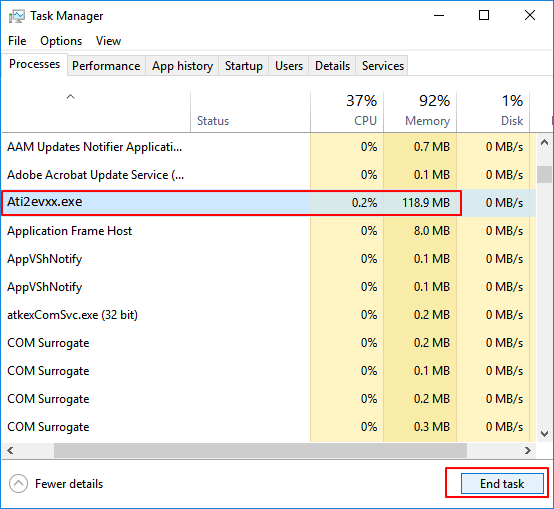
Your device might be tired to run too many applications at the same time. To fix this, open Device Manager, click on it, and then click to stop running.
Step 1. Right-click Windows icon and select Device Managerfrom list.
Step 2.Click Processes > Find the frozen program > Click End Task
3. Extend C Drive with Qiling Partition Master
If your C drive has limited space, your PC may randomly freeze. You can use software like Qiling Partition Master to extend your C drive.
In-depth Tutorial
Option 1. Extend System C drive with unallocated space
- 1. Right-click on the System C: drive and select "Resize/Move".
- 2. Drag the system partition end into the unallocated space so to add it to the C: drive.
- Click Proceed to execute the operations and extend the C drive.
Option 2. Extend System C drive without unallocated space
- 1. Right-click a big partition with enough free space on the system disk, select "Allocate Space" to free up disk space.
- 2. To resize the System C drive, select the system drive at the "Allocate Space From (*) To" section and drag the end of the System C drive into the unallocated space.
- 3. Click "Proceed" to save the changes and extend the C drive.
4. Delete Temp File
Your system can be attacked by viruses due to keeping unnecessary temporary files, so it's wise to clean them up.
Note: It's generally safe to delete temporary files that are no longer in use, but it's best to exercise caution. Ensure the program that created the temporary files is closed and not running in the background before deleting them. If you're unsure, it's always best to err on the side of caution and avoid deleting them to avoid potential program errors.
Step by Step Tutorial
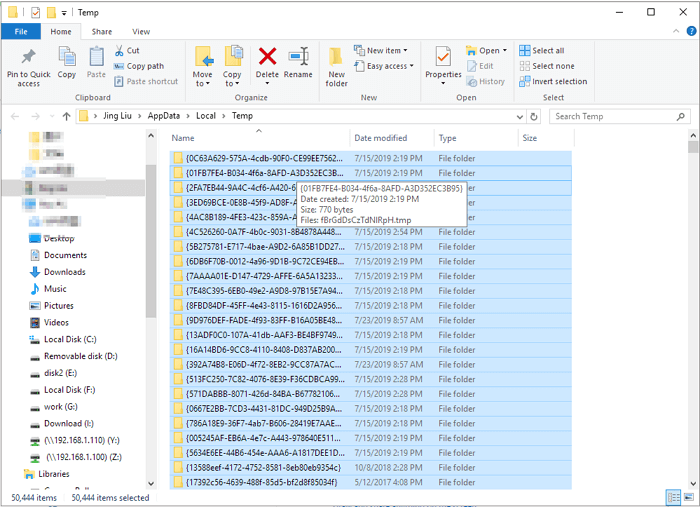
Step 1.Press Windows + Rto open the Run window.
Step 2.Type content: %temp%and click OKto open the temp folder.
Step 3.Check the temp files and select all by pressing Ctrl + A.
Step 4.Click Delete > Yes
5. Update Drivers
Drives can be updated to resolve freezing issues, acting as a bridge to ensure smooth Windows and application performance.
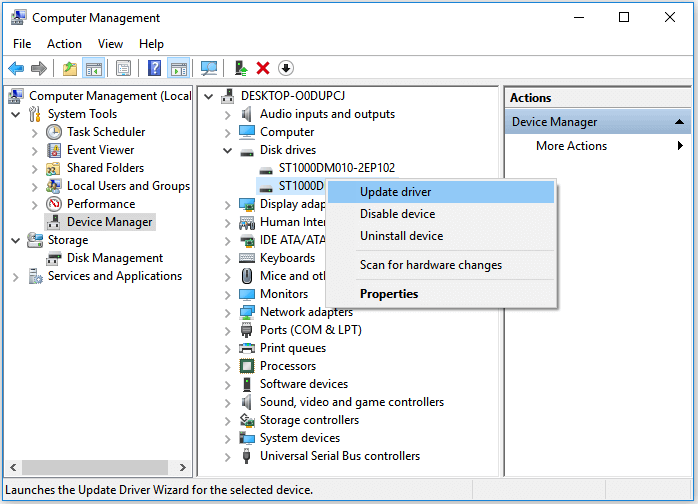
Step 1.Press Windows + Rand click Device Manager.
Step 2.Click Disk Drives.
Step 3.Right-click your hard drive and choose Update Driver.
6. Update or Reinstall Your Programs
A corrupted program can cause your PC to freeze or crash, and updating often-used software to the latest version or re-downloading it from the website may resolve the issue.
7. Replace External Equipment
If your computer freezes constantly when you insert an external device, it's possible that malware may be present on your computer. In this case, it's recommended to replace the external device in a timely manner to prevent further issues.
Extra Tip: How to Export Your Data When PC Keeps Freezing
If the seven instant ways are useless for your computer, you can search for a professional computer service. Before sending it to a repair shop, you can migrate your files, applications, and settings to another computer for reuse. Try Qiling Disk Masters and apply the "File sync" feature.
Step 1. Take out the disk from the old PC.
- To safely shut down your device, start by disconnecting the power supply. If it's a laptop, also remove the battery to ensure complete power disconnection. This will prevent any accidental power-ons or electrical shocks.
- The hard disk is a 500 GB Western Digital Caviar Blue drive, model number WD5003FZEX. It's a relatively old drive, likely from around 2015 or so, given the model number and specifications.
- Use a screwdriver to remove the screws that hold the hard drive in place, then carefully lift out the hard drive from the shell. Be sure to handle the hard drive with care to avoid damaging it.
- To remove the hard disk, you'll need to disconnect it from the motherboard and any other cables that are connected to it, then carefully take it out of the computer case.
Step 2. Connect the hard disk to the new PC.
Multiple connection methods:
- Connect the old hard disk drive to the USB enclosure, and then connect the enclosure to the new PC via USB.
- The USB hard disk drive adapter is a device that connects a hard disk drive to a USB port on a computer, allowing the hard disk drive to be used with the computer. It acts as a bridge between the hard disk drive and the computer, enabling data transfer between the two. The adapter has one end connected to the hard disk drive and the other end connected to the USB port on the computer, making it easy to transfer data from the hard disk drive to the computer.
- If the new PC is a desktop PC, the old disk can be connected as the second disk, allowing for a smooth transition of data and programs. This eliminates the need for manual data transfer and ensures that all files and applications are accessible on the new computer.
Step 3. Recover/Migrate the applications, files, accounts from the old disk.
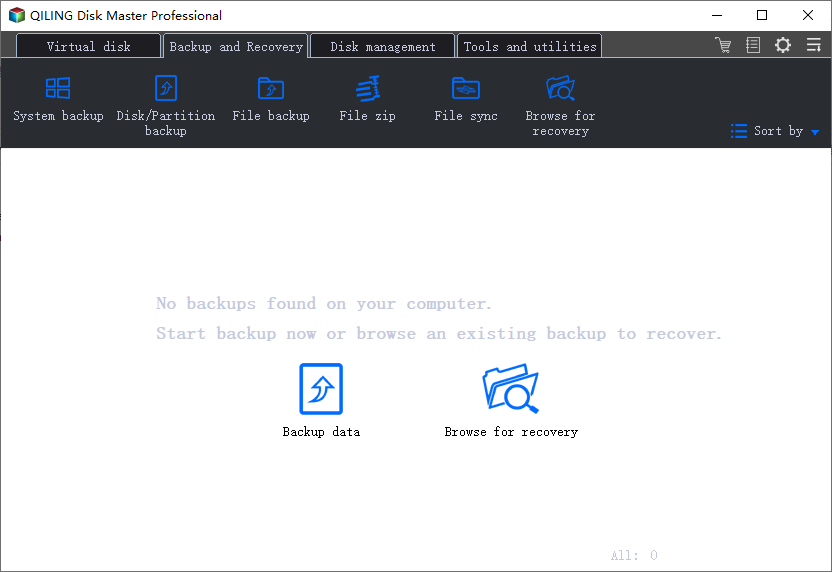
1. Download and launch Qiling Disk Master, then navigate to the "Tools and utilities" page and click on "File sync".
2. Check that the disk is connected to the PC and select the old disk to recover from.
To copy the desired applications, files, and accounts, select them from the list provided. This will ensure that only the necessary items are included in the copy process, making it more efficient and reducing the risk of unnecessary data being transferred.
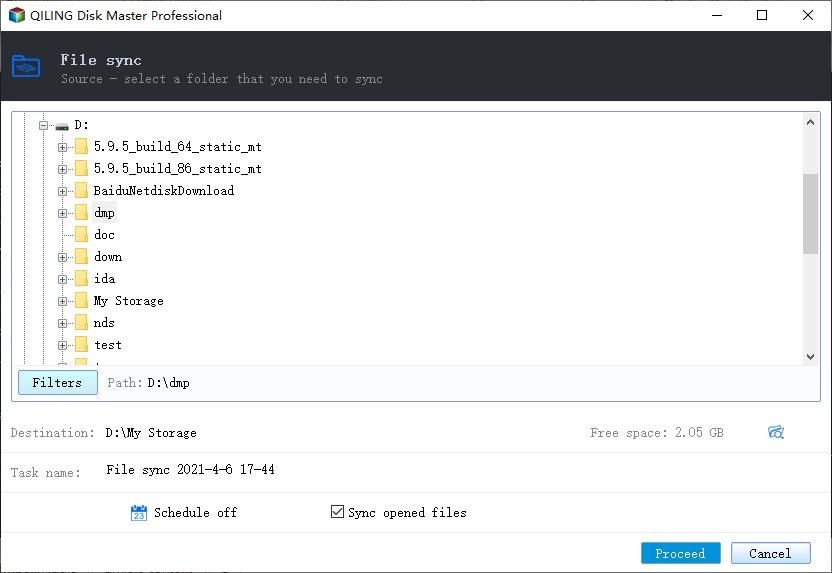
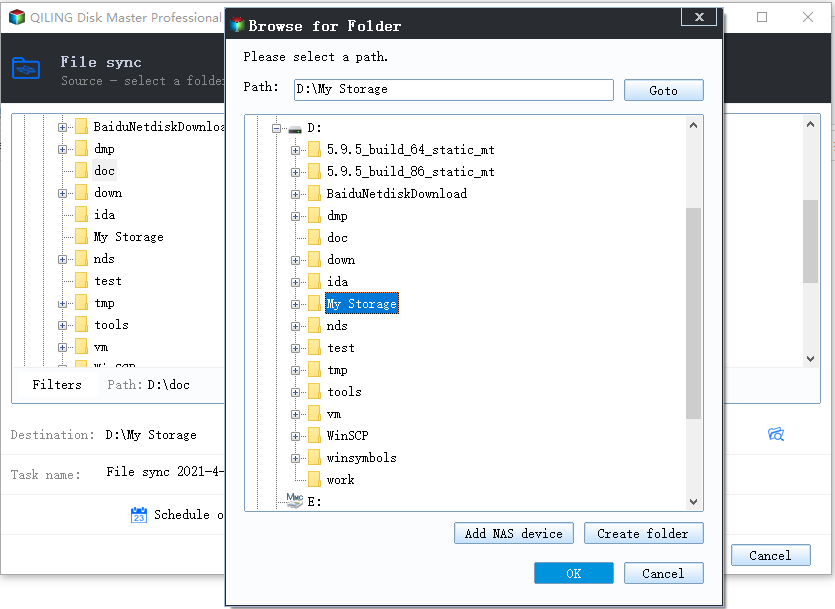
3. Select the hard drive as the backup storage location.
4. To customize your backup, you can select specific file types to include, such as documents, emails, financial files, music, pictures, and videos, among others.
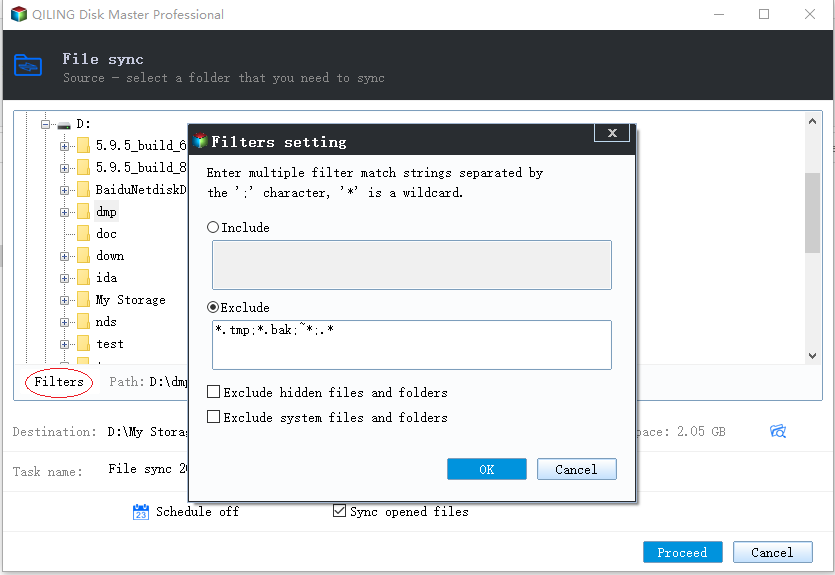
5. To sync folders or files to the hard drive, click "Proceed".
Related Articles
- How to Reformat Windows 11/10 PC/Laptop | In-depth tutorial
- Windows 11/10 Media Creation Tool: How to Download and How to Use (a Complete Guide)
- Repair and Restore Not Working/Failed/Dead SSD
- Download the Best Free Transcend Format Tool for USB/Memory Card
- Convert to GPT Greyed Out in Windows 10? Fix It Instantly
This article will focus on the error 'convert to GPT greyed out Windows 10', which includes why it greyed out and how to solve this problem. - How to Copy Hidden Partition to Another Drive/USB with Success
This guide will provide information on hidden partitions and guide you through the process of cloning them to another drive or USB, including recommendations for the best software to assist with the task. - Fix Windows 11 Freezing Randomly (2026 Guide)
Products
Articles & Tutorials
- Data Recovery
- Data Backup
- File Recovery
- File Backup
- System Backup and Restore
- Disk and Partition Clone
- Technical articles
- Mobile articles
- Disk Master Help
- Windows Data Recovery Tutorials
- Windows Secure Delete Tutorials
- Windows Partition Management Tutorials
- Windows File Backup and Restore Tutorials
- Windows System Backup and Restore Tutorials
- Windows Disk Backup and Restore Tutorials
- Windows Clone Tutorials