URescue Format Tool for USB Drives: Checks, Limits, and Safer Fixes
URescue is a controller-level utility sometimes offered for specific USB flash drives. It is not a universal formatting tool. A program meant for the wrong controller may fail to recognize the drive or make recovery harder. If Windows can still read files, copy them to another drive first.
Check the USB drive before using URescue
Disconnect other removable drives so you can identify the correct device. Open Disk Management and compare the USB drive's reported capacity with its printed capacity. Then check whether Windows shows a partition, unallocated space, or No Media. A No Media result often indicates a controller or flash-memory fault that ordinary formatting cannot fix.
Step 1. Try another USB port and another computer. Avoid a hub while diagnosing the drive.
Step 2. Open Device Manager, expand Disk drives, and note the device model. In Properties, review Hardware Ids to identify the controller where possible.
Step 3. Check the vendor's support page for a repair utility matching that exact model and controller. Do not rely on a similar-looking case or capacity.
Step 4. If the files matter, stop before formatting and use a read-only recovery scan or a professional recovery service. Controller repair can destroy the original file-system metadata.
Try nondestructive Windows checks first
If the volume has a drive letter and opens, copy important files before testing. If a drive letter is missing, right-click its existing volume in Disk Management and choose Change Drive Letter and Paths. Assign an unused letter; this changes access, not the stored files. If Windows says the file system is RAW, do not run a format merely to make it visible. Recover files first.
A USB drive shown as write-protected may have a physical lock, a policy restriction, or a failing controller. Check the device's physical switch and try another PC. Avoid repeated forced-format attempts if the drive disconnects during use.
Recover files with Qiling before formatting
Qiling Deep Data Recovery is relevant when Windows can still detect the USB drive at its correct capacity but its files are missing or its volume is inaccessible. It scans for recoverable files; it does not repair a failed controller or restore a drive that reports No Media.
Step 1. Connect the USB drive directly to the PC, open Qiling Deep Data Recovery, and choose a scan mode for lost files.
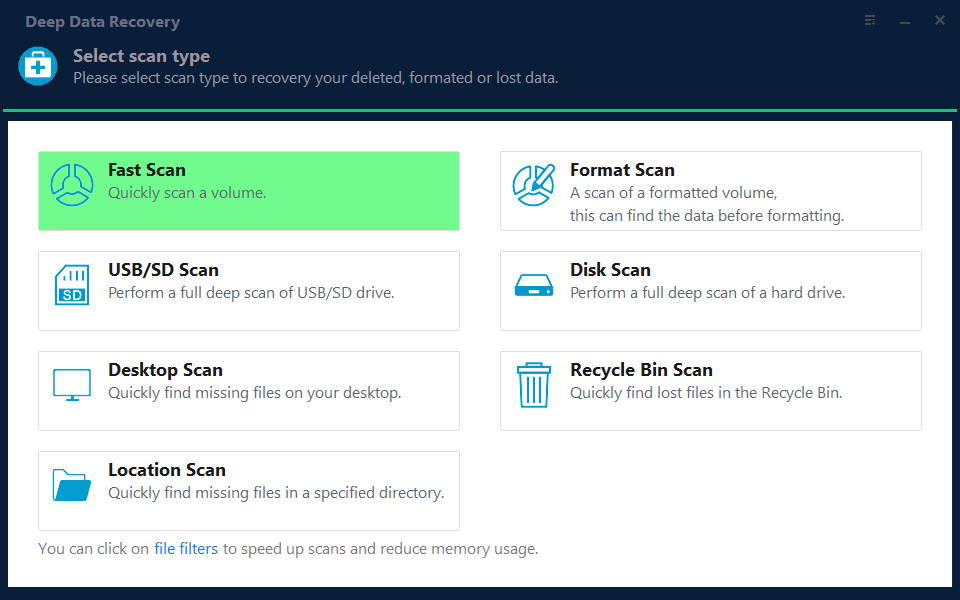
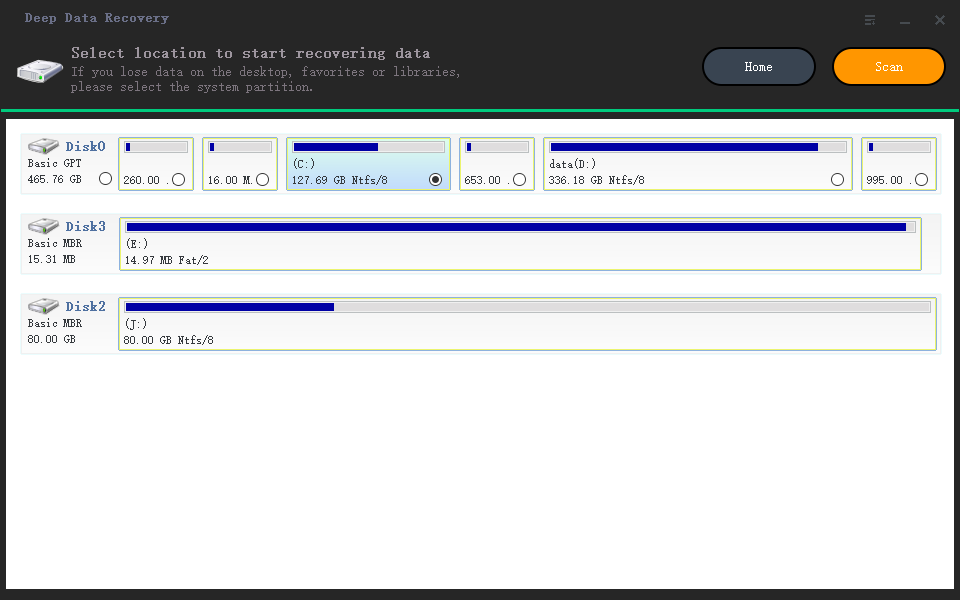
Step 2. Select the USB drive by its capacity and location, then scan it without formatting or writing new files to it.
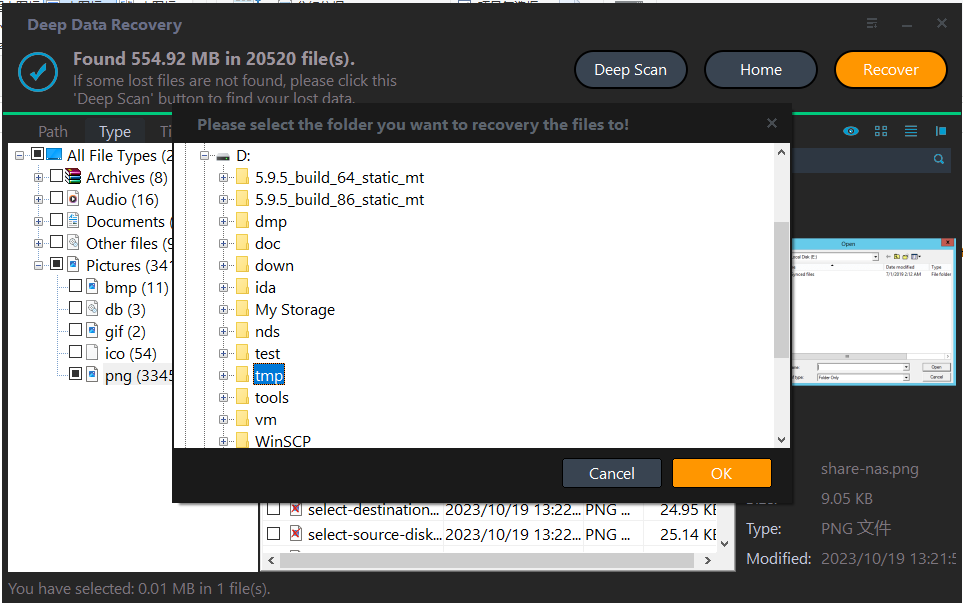
Step 3. Preview the results and save recoverable files to a different physical drive. Open several saved files to confirm they are usable before attempting a format.
When a format is appropriate
Only consider formatting when the data is backed up or no longer needed and Windows reports the correct device capacity. In Disk Management, positively identify the USB drive by model and size, then select its volume and choose Format. Choose exFAT for broad modern compatibility or FAT32 when the target device requires it. Formatting erases the selected volume; verify the target again before confirming.
If Windows formatting fails, a controller-specific utility may be the last software option, but only after confirming the exact hardware match. Stop when the drive reports zero media size, repeatedly disconnects, or overheats. Replacing it is often safer than trusting a repaired drive with important files.
Verify the result
After any successful repair, safely eject and reconnect the drive. Copy a small test file onto it, open that file, and compare the displayed capacity. Do not treat one successful format as proof that the flash memory is healthy; keep a second copy of important data.
Related Articles
- USB Drive Will Not Open
Diagnose inaccessible USB storage before formatting. - SD Card Shows 0 Bytes
Understand why removable media can report no usable capacity.
Products
Articles & Tutorials
- Data Recovery
- Data Backup
- File Recovery
- File Backup
- System Backup and Restore
- Disk and Partition Clone
- Technical articles
- Mobile articles
- Disk Master Help
- Windows Data Recovery Tutorials
- Windows Secure Delete Tutorials
- Windows Partition Management Tutorials
- Windows File Backup and Restore Tutorials
- Windows System Backup and Restore Tutorials
- Windows Disk Backup and Restore Tutorials
- Windows Clone Tutorials