Recover Files Deleted by Storage Sense in Windows 11
Storage Sense can remove temporary files and older Recycle Bin contents. It can also clean Downloads if that option was configured. Online-only OneDrive files are a different case: their local copy may be removed while the cloud file remains available. Identify which happened before running a recovery scan.
Check what Storage Sense was allowed to clean
Step 1. Open Settings > System > Storage > Storage Sense. Note the rules for Recycle Bin and Downloads. By default, Microsoft says Downloads is not cleaned unless you configure it.
Step 2. Check the original folder, Recycle Bin, and OneDrive web or app. A cloud icon may mean the file is online-only rather than deleted. Reconnect and download it instead of scanning the disk.
Step 3. Look in File History, Windows Backup, and other external backups for an earlier version. Restore to a separate folder so the current files are not overwritten.
See Microsoft's Storage Sense guide for current behavior. Storage Sense acts on the Windows system drive; a file missing from another drive may have a different cause.
Stop writing to the affected drive
If the file was truly deleted and no version exists, avoid installing programs or saving new files on the source. Windows may reuse the free space. On SSDs, TRIM can make deleted data unavailable quickly; recovery is never guaranteed. If the files are irreplaceable, consider a specialist before repeated scans.
Scan with Qiling Deep Data Recovery
Step 1. Install Qiling Deep Data Recovery on a different drive if possible. Open it and choose a lost-file scan mode; do not format the affected volume.
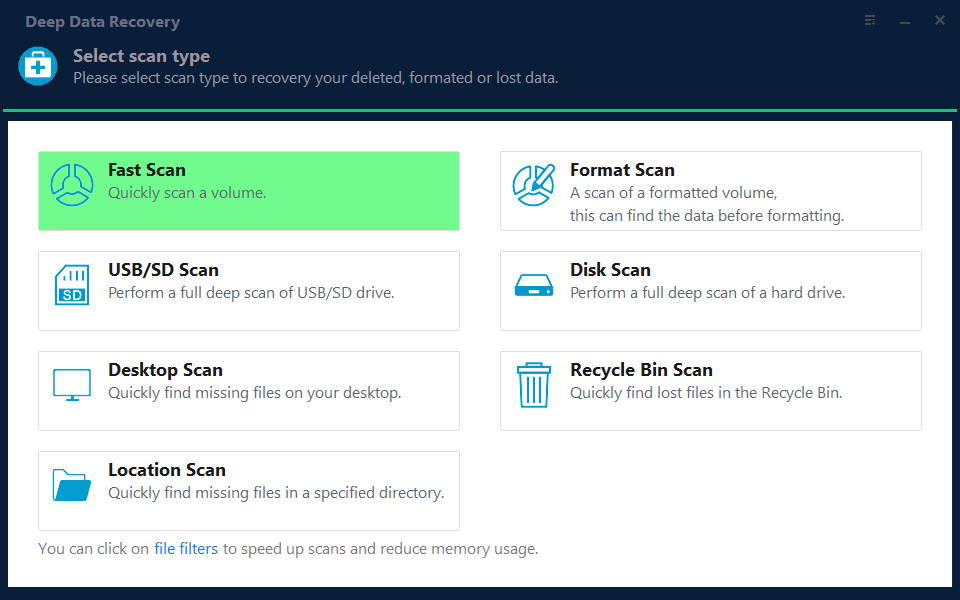
Step 2. Select the physical disk or the Windows volume that contained Downloads or the missing folder. Confirm the model and capacity, then start the scan.

Step 3. Wait for the scan to finish, filter by path or file type, and preview several candidates. A familiar filename does not prove its contents are intact.
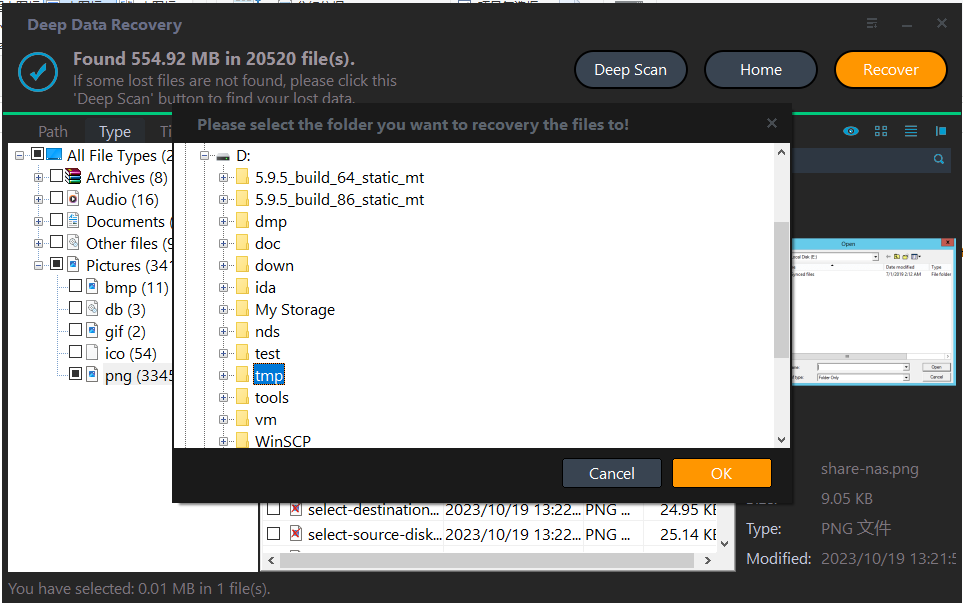
Step 4. Save selected results to a different physical drive. Open recovered documents or images and check their contents before reusing the affected disk.
Prevent an accidental repeat
Review the Downloads retention setting and keep important files outside temporary folders. Use File History or a separate file backup with tested restore points. OneDrive synchronization is useful, but it can also synchronize deletions; retain an independent copy.
Related Articles
- Windows 11 Storage Sense
Review what Windows cleans automatically. - Recover After a Reset
Understand SSD and overwrite limits.
Products
Articles & Tutorials
- Data Recovery
- Data Backup
- File Recovery
- File Backup
- System Backup and Restore
- Disk and Partition Clone
- Technical articles
- Mobile articles
- Disk Master Help
- Windows Data Recovery Tutorials
- Windows Secure Delete Tutorials
- Windows Partition Management Tutorials
- Windows File Backup and Restore Tutorials
- Windows System Backup and Restore Tutorials
- Windows Disk Backup and Restore Tutorials
- Windows Clone Tutorials