How to Recover Files After a Windows 11 Factory Reset
Recovery chances depend on which reset option was used, whether the drive is an SSD, and how much the PC has been used since the reset. Keep my files is different from Remove everything, and a reset with data cleaning is harder to recover from than one without it. Stop installing programs or saving files to the affected drive until you know what remains.
Check locations that may already hold the files
Step 1. Check your user folders, including Desktop, Documents, Pictures, and Downloads under the current and previous account names.
Step 2. Look for a Windows.old folder if the reset or reinstall preserved it. Do not assume it exists or will remain indefinitely.
Step 3. Check OneDrive, other cloud sync services, File History, Windows Backup, and external backup disks. Restore a few files to a separate location and confirm they open.
Step 4. Check the Recycle Bin, but do not expect it to contain files removed by a full reset.
Decide whether scanning is worthwhile
On an SSD, TRIM can make deleted blocks unrecoverable quickly, especially after a reset that removes everything. Continued use also overwrites old data on HDDs. If the missing files are irreplaceable or the drive is failing, avoid repeated DIY scans and consider professional recovery. A recovery tool cannot promise to reverse a data-cleaning reset or hardware encryption.
Scan with Qiling Deep Data Recovery
Step 1. Install the recovery program on a different drive if possible. Attach the affected Windows drive as a secondary disk when practical, to limit new writes.
Step 2. Open Qiling Deep Data Recovery and select the appropriate scan mode for deleted or lost files. Do not format or repartition the source.
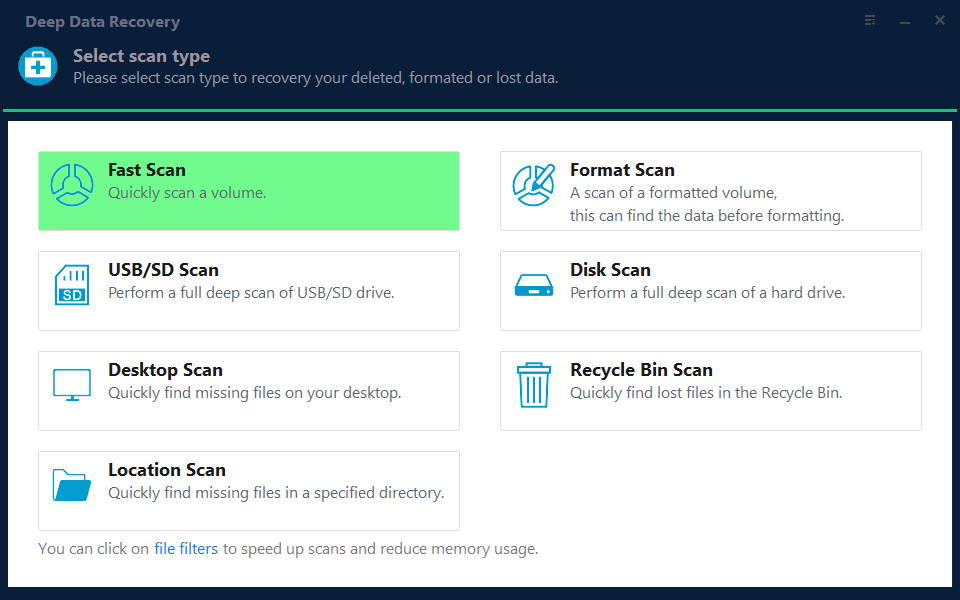
Step 3. Select the affected physical disk or the former Windows volume by model and capacity. Start the scan and allow it to complete; a quick result list may omit files found later.

Step 4. Filter by path or file type, then preview sample files. A visible name alone does not prove the file contents are intact.
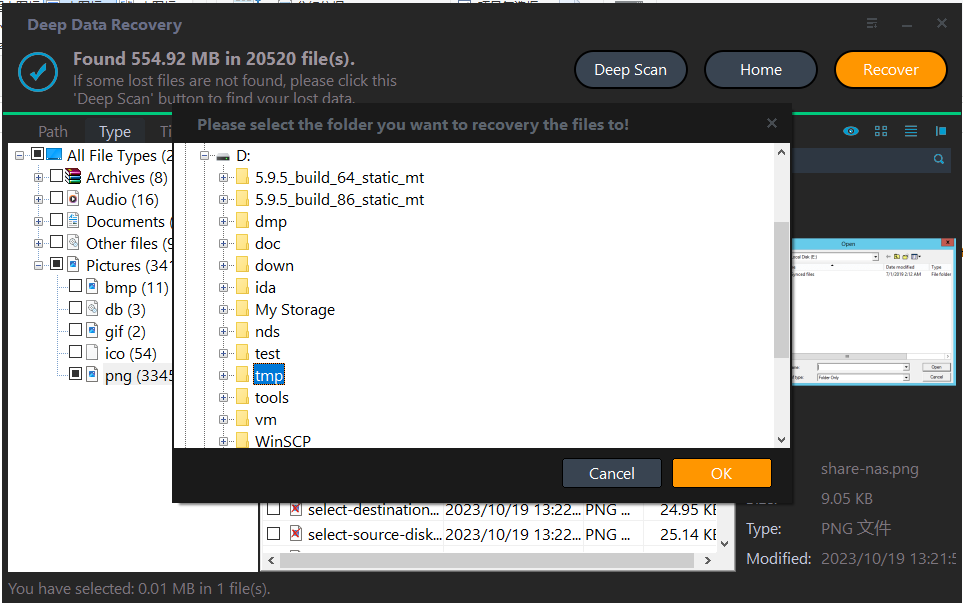
Step 5. Select the files to recover and choose a different physical drive as destination. Do not save recovered data to the scanned source.
Step 6. Open a sample of each important file type and compare sizes and contents with your backup or expectations.
Reduce future data loss
Once files are restored, create a current backup and test it before another reset. Keep an offline or independent copy of important files, since cloud synchronization can also propagate deletions. Record whether BitLocker or device encryption was enabled and preserve recovery keys.
Related Articles
- Recover Deleted Photos
Use preview and a separate save destination. - Data Recovery Tools
Compare recovery options and limitations.
Products
Articles & Tutorials
- Data Recovery
- Data Backup
- File Recovery
- File Backup
- System Backup and Restore
- Disk and Partition Clone
- Technical articles
- Mobile articles
- Disk Master Help
- Windows Data Recovery Tutorials
- Windows Secure Delete Tutorials
- Windows Partition Management Tutorials
- Windows File Backup and Restore Tutorials
- Windows System Backup and Restore Tutorials
- Windows Disk Backup and Restore Tutorials
- Windows Clone Tutorials