Dash Cam Card Full Error: How to Fix 'Dash Cam Says SD Card Full'
If your dash cam keeps saying "SD card is full" even when the card is empty, the following methods can help you resolve the issue.
Here are the 5 methods to fix the dash cam SD card full error:
| Workable Solutions | Step-by-step Troubleshooting |
|---|---|
| Fix 1. Shorten 'loop recording' time | Almost all dash cams are featured with a 'Loop recording' function. When the memory card storage...Full steps |
| Fix 2. Reduce sensitivity of G-sensor | The reason for a constantly filling up memory card storage is likely to be the high sensitivity of G-sensor...Full steps |
| Fix 3. Format microSD card | Corruption issues would also cause SD card errors, not only on a dashcam but also on other digital devices...Full steps |
3 Fixes for the 'Dash Cam Memory Card Full' Error.
When it comes to collecting evidence in a car accident, the dash cam memory card is crucial. However, if the micro SD card (also known as a TF card) used by the dash cam becomes full, it can be disastrous if the scene of the collision is not recorded or saved. To avoid this, it's essential to clear up the filled memory card, and there are some workarounds that can be tried to prevent it from becoming full again.
Fix 1. Shorten the 'loop recording' time
Dash cams often come equipped with a "Loop recording" feature, which ensures continuous recording even when the SD memory card reaches full capacity. This function overwrites older files, allowing the dash cam to keep recording without interruption.
When your dash cam's memory card says it's full, check if you've accidentally deleted saved footage and if loop recording is enabled. If so, shorten the loop video time to prevent full card issues, especially with low-capacity micro SD cards. You can choose from 1-3 minutes, 3-5 minutes, or 5-10 minutes loop recording time, depending on your dash cam brand. Shortening the time can help prevent full card issues.
Fix 2. Reduce the sensitivity of G-sensor
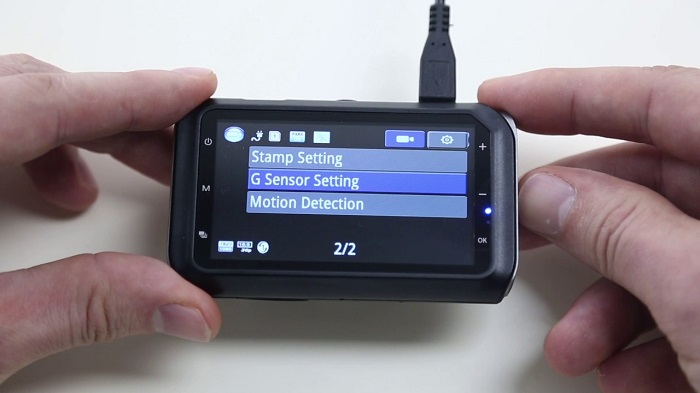
The memory card storage on the device is constantly filling up due to the high sensitivity of the G-sensor, which triggers recordings that cannot be overwritten by loop recording.
When you set the G-At high speeds, such as 8G, a slight shaking while driving can trigger the G-sensor, causing the current video to freeze and become uneditable. Over time, this can lead to a buildup of locked video files on the memory card, consuming storage space and eventually resulting in a "memory card full" error.
Fix 3. Format microSD card in your Dash Cam or PC
If you've made adjustments to your camera settings, such as shortening the loop recording time and reducing the G-sensor sensitivity, and are still experiencing a "card full" error, it may be time to format your SD memory card.
Corruption issues can cause SD card errors, affecting not only dash cams but also other devices like smartphones and cameras. Formatting the disk usually resolves the problem.
- Warning
- Formatting a memory card will erase all video clips saved on it, so it's a good idea to save a copy of any important video recordings before doing so.
When your dash cam memory card is full, try connecting it to a computer to transfer videos. Alternatively, if your dash cam has WIFI enabled, you can connect it directly to your phone or tablet, transfer the videos, and then format the memory card in the dash cam.
If your dash cam doesn't have a WIFI feature, you'll need to connect its memory card to a computer to transfer and backup your video clips. To do this, simply plug in the memory card and use a computer to transfer the clips to another storage device. If you want to fully format the memory card, you can use Windows, the command line (CMD), or a dedicated formatting tool to achieve this.
- Important
- To recover data from a memory card that was accidentally formatted, you can use a third-party data recovery program like Deep Data Recovery to unformat the card. This can be done if you haven't created a backup yet, or if the SD card becomes inaccessible due to corruption.
The demo version of the software allows users to recover all data recovery features without having to pay the full version until they have found and listed all the desired videos as recoverable.
To recover videos from the formatted/corrupted memory card, follow the steps.
Step 1. To recover data from your SD card, memory card, or CF Card, connect it to your computer and launch Qiling memory card recovery software. Choose the file types you want to recover and click "USB/SD Scan" to initiate the process.
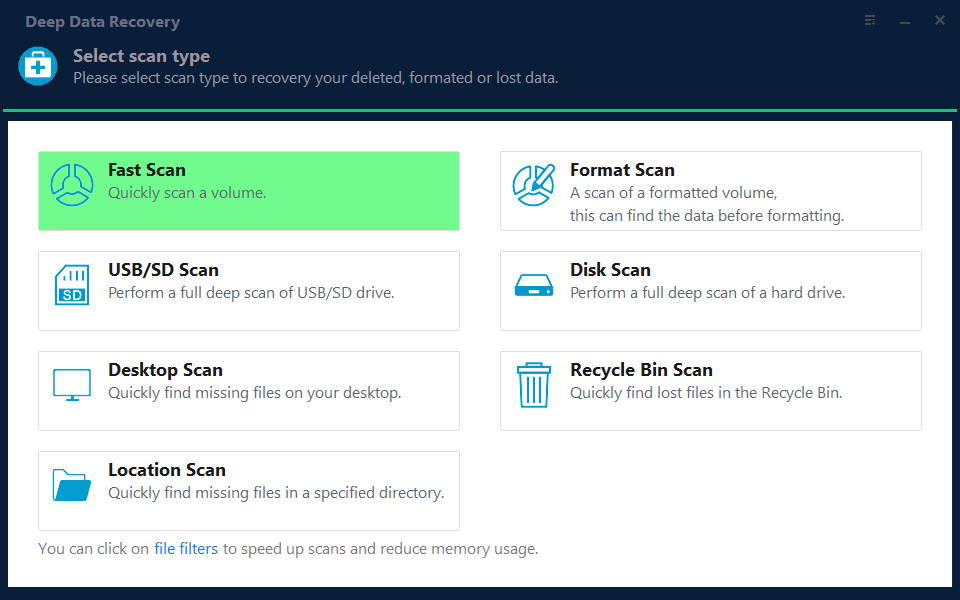
Note: You can choose different search modes based on where and why the data was lost.
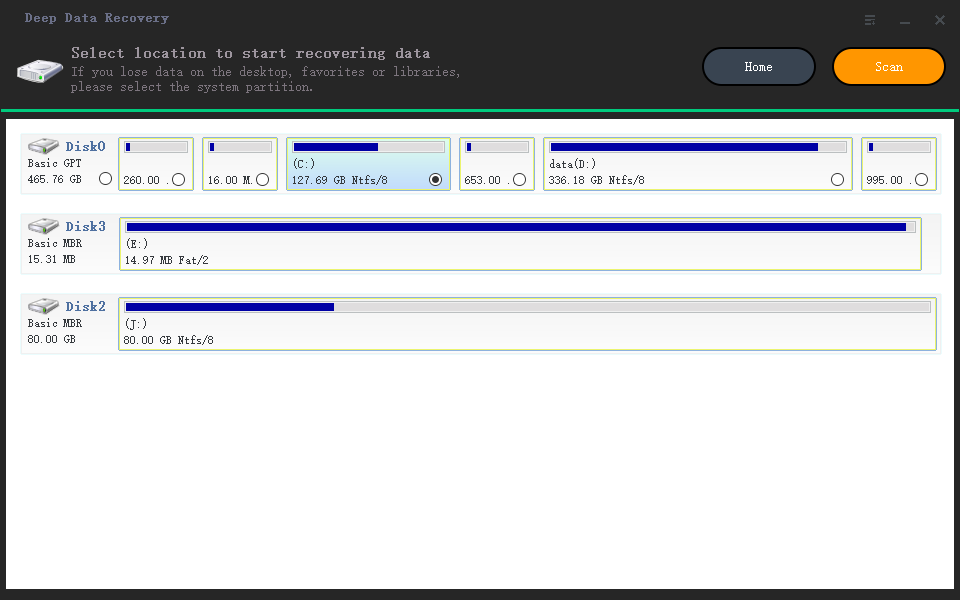
Step 2. To recover lost data from an SD card, locate the SD card in the Devices section of the software, select it, and click "Scan" to initiate the data recovery process.
Step 3. The software automatically starts a scan that can find all lost files, including those with unknown file names. After scanning, you can view deleted items in the tree-view panel on the left. To narrow down the search, click "Filter" to look for a specific file type, such as photos, documents, videos, or emails.
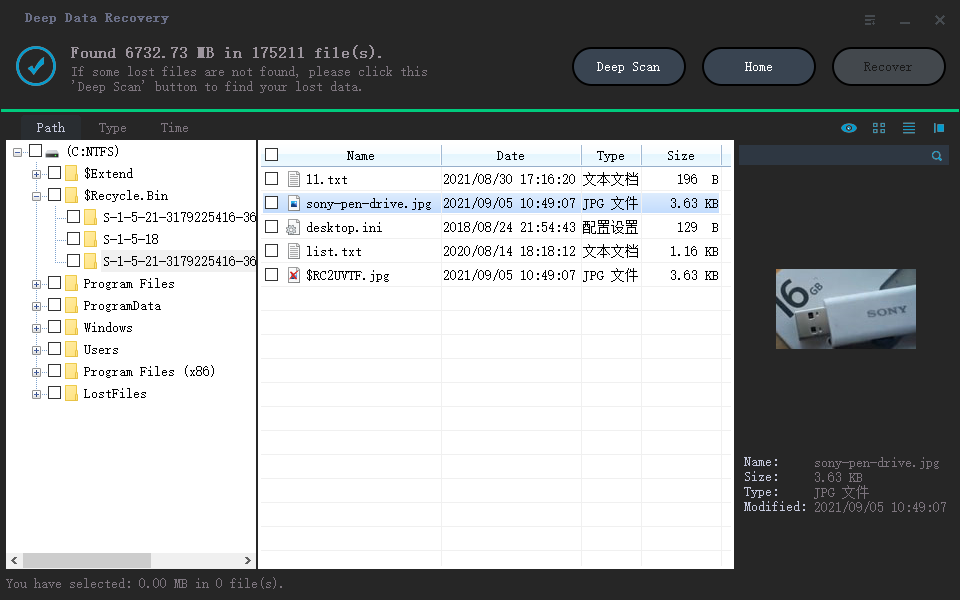
Step 4. After previewing the files, you can select the wanted ones and click "Recover" to restore them to a secure location on your PC or other external storage devices.
Extra Tip: Choose a Standard Dash Cam Micro SD Card
Car owners are likely familiar with popular dash camera brands like Garmin, Nextbase, Thinkware, BlackVue, TaoTronics, Pilot, and Binatone. However, when it comes to choosing the right micro SD card for these devices, many may not be as informed, potentially leading to issues if the wrong card is inserted.
The best dash cams use similar technology and store footage on a micro SD card. To achieve optimal performance, the read/writing speed of the memory card is crucial, and a Class 10 Write Speed SD card is ideal. Research suggests using a highly recommended micro SD card, such as those listed, in your dash cam.
- This is a 64GB microSD card from Samsung, with a read speed of 100MB/s, and a UHS-I U3 rating, making it suitable for high-speed applications, and comes with a microSD to SD adapter.
- The Integral 128GB Ultima PRO Micro SD Card is a high-capacity storage solution that offers fast data transfer speeds of up to 90MB/s. With its UHS-I U1 classification, it's designed for use in high-performance devices and can handle demanding applications like 4K video recording and burst mode photography.
- The Samsung 256GB Evo Plus Micro SD Card is a high-performance storage option that offers fast data transfer speeds of up to 95MB/s, making it ideal for use in devices that require high-speed storage, such as 4K cameras and smartphones. It is compatible with UHS-I and U3 standards, ensuring reliable and efficient data transfer.
- The Samsung 32GB PRO Endurance Micro SD Card (SDXC) + SD Adapter offers 100MB/s speed, making it a reliable and fast option for storing and transferring data.
- The SanDisk 32GB Extreme Pro Micro SD Card is a high-capacity storage solution with a UHS-I + Adapter, capable of reaching speeds of up to 100MB/s.
When choosing a memory card, it's not necessary to stick to these five types, but it's recommended to opt for a trustworthy branded one with a Class 10 write speed to avoid full errors caused by a lack of high-speed class.
Related Articles
- Real Fixes: This app can't run on your PC in Windows 10
- How to Recover Unsaved/Lost Notepad ++ Files with/Without Backups
- Hard Drive Not Spinning? Causes and Fixes Here!
- [Fixed] The File Is Corrupted and Cannot Be Opened in Excel/Word
- 4 Ways Included | How to Fix Windows Won't Boot from CD
Windows won't boot from CD - how to fix it? In this article. you can learn how to fix Windows that won't boot from CD in 4 ways and how to make a CD bootable using Qiling Disk Master. - Working on Updates 100% Complete Don't Turn Off Your Computer [6 Fixes]
When your computer freezes on the “Working on updates 100% complete” screen. There are 6 fixes to safely complete updates without shutting down. Read on to learn how to troubleshoot and resolve this issue.
Products
Articles & Tutorials
- Data Recovery
- Data Backup
- File Recovery
- File Backup
- System Backup and Restore
- Disk and Partition Clone
- Technical articles
- Mobile articles
- Disk Master Help
- Windows Data Recovery Tutorials
- Windows Secure Delete Tutorials
- Windows Partition Management Tutorials
- Windows File Backup and Restore Tutorials
- Windows System Backup and Restore Tutorials
- Windows Disk Backup and Restore Tutorials
- Windows Clone Tutorials