How to Open Windows Device Manager [Full Guide in 2023]
You likely use Windows Device Manager occasionally, but not regularly. To open it, simply search for "Device Manager" in the Start menu, or type "devmgmt.msc" in the Run dialog box. This utility allows you to manage hardware devices, troubleshoot issues, and update drivers, making it a useful tool for any Windows user.
The Windows Device Manager is a utility that allows users to view and manage hardware devices connected to their computer. There are several ways to open the Device Manager, including using the Control Panel, typing "devmgmt.msc" in the Run dialog box, searching for it in the Start menu, using the keyboard shortcut Windows + X, and accessing it through the Computer Management console.
Windows Device Manager: What Is It?
Windows Device Manager is a utility on the Microsoft Operating System that allows you to access and control the hardware connected to your computer, making it easy to identify and address hardware components that are not functioning properly.
The Device Manager feature is available in all Windows versions, from Windows 95 to Windows 11/10/8/7, and allows you to enable, disable, or ignore specific devices, including those that malfunction.
Benefits of Windows Device Manager
Windows Device Manager comes with the following benefits:
- Device Manager allows you to easily view and control the hardware connected to your computers, such as external hard drives, USB devices, and keyboards.
- The Device Manager is a central utility that allows users to configure and manage all hardware connected to their computer in a single location.
- Device Manager allows you to troubleshoot hardware issues, update drivers, disable devices, and view hardware properties. It is a powerful tool for managing all the hardware connected to your computer.
- The Device Manager allows you to manage device drivers, which are crucial for hardware functionality. It enables you to verify if drivers are installed and update them when necessary, ensuring smooth operation of your hardware.
How to Open Windows Device Manager?
To access the Windows Device Manager, there are several methods to choose from. You can open it by searching for "Device Manager" in the Start menu, clicking on the "Device Manager" option in the Control Panel, using the Windows key + X keyboard shortcut, right-clicking on the Start button and selecting "Device Manager", or by typing "devmgmt.msc" in the Run dialog box. Each method allows you to access the utility and manage your Windows device's hardware components.
- Method 1. Open Device Manager Using Control Panel
- Method 2. Search for Device Manager in the Start Menu
- Method 3. Open Device Manager with the Run Command
- Method 4. Open Device Manager in Windows Settings
- Method 5. Access Device Manager Using the "Power User" Menu
Method 1. Open Device Manager Using Control Panel
To open Windows Device Manager, you can access it through the Control Panel. Simply navigate to the Control Panel, click on the "System and Security" tab, and then select "Device Manager" from the options. This will efficiently open the Device Manager window, allowing you to manage and troubleshoot your computer's hardware devices.
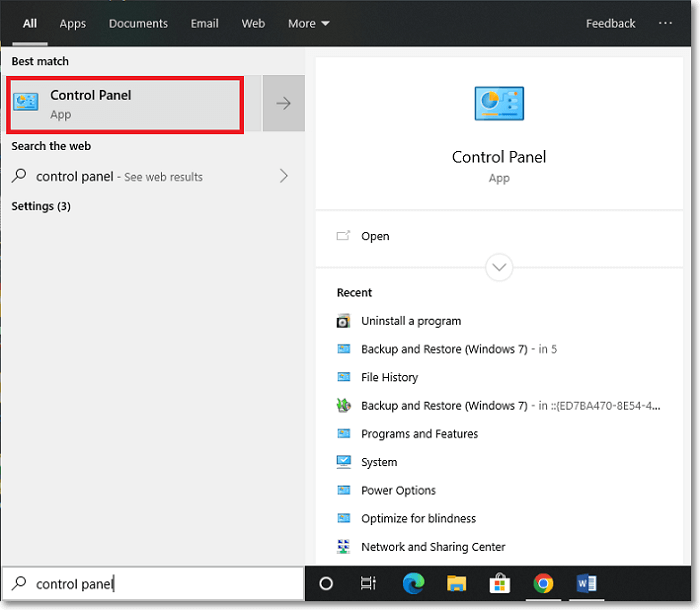
Step 1. To access the Control Panel, click on the Start menu and type "Control Panel" in the search bar.
Step 2. Click on the first result that displays.
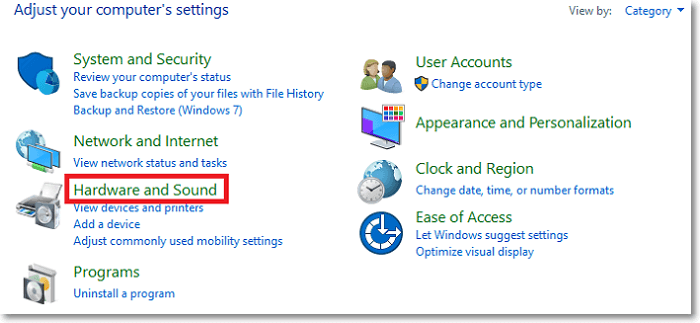
Step 3. When Control Panel opens, select "Hardware and Sound."
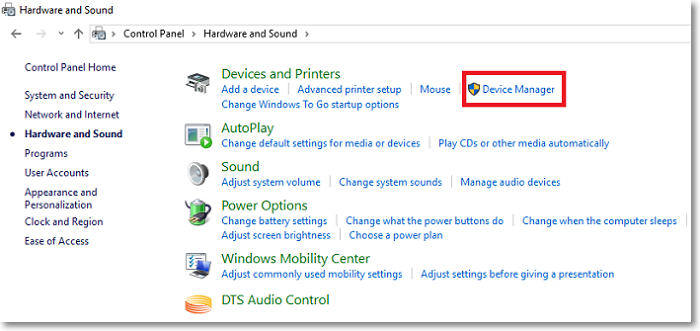
Step 4. Next, select "Device Manager."
Method 2. Search for Device Manager in the Start Menu
To open Device Manager using the search feature, simply type "Device Manager" in the Windows search bar, which is usually located on the taskbar, and press Enter. This will instantly open the Device Manager window, allowing you to view and manage your computer's hardware devices.
Step 1. Navigate to the search bar and type Device Manager.
Step 2. Click on the first search result that displays, which will open the Device Manager.
Method 3. Open Device Manager with the Run Command
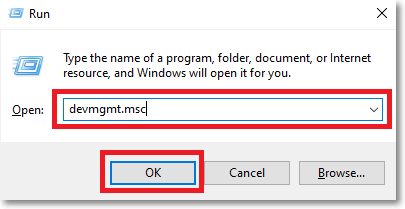
To open Device Manager on Windows using the "Run" command, you can press the Windows key + R to open the Run dialog box, type "devmgmt.msc" in the text field, and then click "OK" to open Device Manager.
Step 1. Press the Windows logo + R on your keyboard.
Step 2. To open the Device Manager, type "devmgmt.msc" in the open textbox and click "OK".
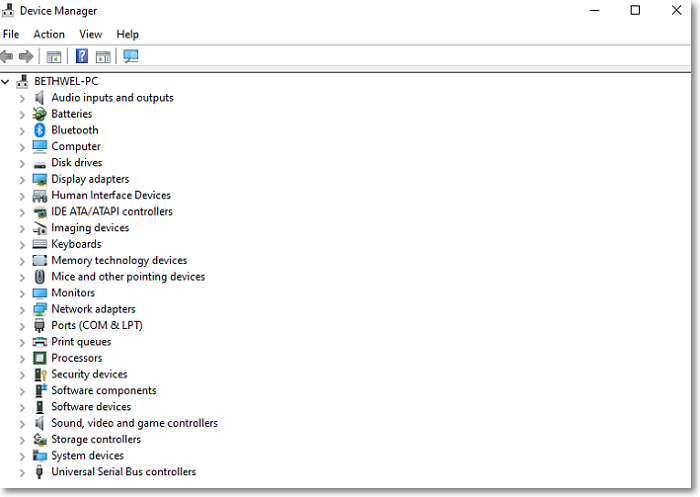
Step 3. Device Manager will open in the next window.
Method 4. Open Device Manager in Windows Settings
To navigate to your Windows settings and open Device Manager, you can simply click on the Start menu, select the "Settings" icon, click on "Device Manager" from the list of options, and then select the specific device you want to troubleshoot or update from the list of available devices. Alternatively, you can also type "Device Manager" in the Windows search bar and open it from there. Once you're in Device Manager, you can view and manage your computer's hardware devices, including printers, scanners, and other peripherals.
Step 1. Press the Windows logo key + I to open "Settings."
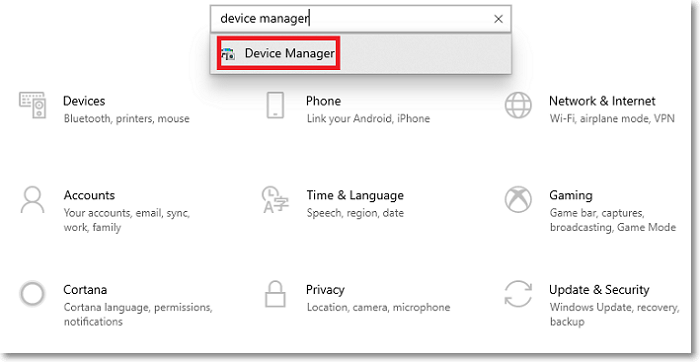
Step 2. To access the Device Manager on the Settings window, type "Device Manager" in the search bar.
Step 3. Click on the result displayed to open Device Manager.
Method 5. Access Device Manager Using the "Power User" Menu
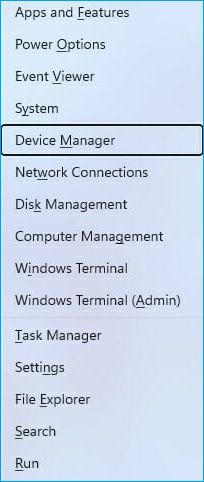
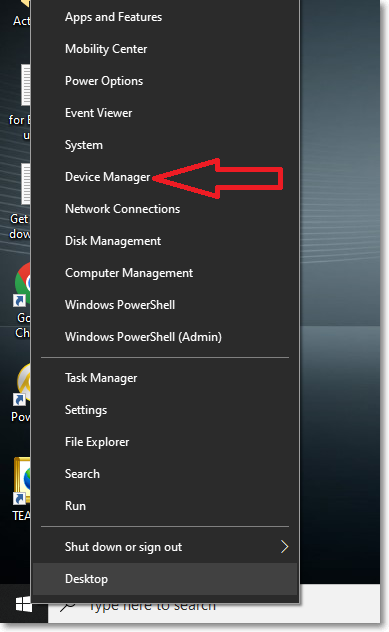
To open Device Manager using the "Power User" menu, you can right-click on the Start button and select "Device Manager" from the menu, or you can press the Windows key + X and select Device Manager from the menu that appears. This method provides an alternative way to access Device Manager and also grants access to other computer management utilities.
Step 1. Navigate to the Start menu and right-click on it.
Step 2. You'll then view a list of common computer management utilities.
Step 3. To access the Device Manager, quickly scan through the list and click on "Device Manager." This will open the Device Manager window.
- Note:
-
Here are the ways to open Windows Device Manager across different Windows versions:
- Quick Access menu
- Task Manager
- Command Prompt
- Computer Management tool
Final Verdict
Windows Device Manager is crucial as it enables central management, troubleshooting, and driver management of hardware devices. Regular Windows users can access it in various ways, including opening it.
- Control Panel
- Start Menu
- Run Command
- Windows Settings
- "Power User" Menu
Additional ways to access the Device Manager include using the Quick Access menu, Task Manager, Command Prompt, Computer Management tool, etc.
FAQs
Below are common questions about Windows Device Manager.
1. How Do I Find My Webcam in Device Manager?
To open Device Manager, type it in the search bar. In the Device Manager window, click on "Imaging Devices" and your webcam should be listed.
2. How Do I Distinguish USB Ports in Device Manager?
To identify the USB ports in your Device Manager, you can expand the "Universal Serial Bus Controllers" section. Look for a list of USB ports, which you can distinguish based on the following guidelines:
- USB 3.0- includes the "USB 3.0" label.
- USB 2.0- includes "Enhanced" or "Enhanced Host" labels.
- USB 1.1- contains the "Universal Host" label.
3. What Are the 5 Functions of Device Manager?
The core functions of Device Manager include to:
- View properties of connected hardware
- Disable a given device
- Enable a given device
- Install or update device drivers
- Troubleshoot malfunctioning devices
Related Articles
- Dual Boot vs. Virtual Machine: Which One Is Better for You?
- What Is Windows Update Assistant? [Everything You Need to Know]
- What Is a LAN (Local Area Network)? Definition, Types, & Benefits
- Bitlocker Encryption: The Guard of Your Data [All You Need to Know]
- What Is the Best Rasberry SD Card Format [Full Guide]
This article provides a comprehensive guide on formatting an SD card for use with a Raspberry Pi, ensuring it is set up for optimal performance. - How to Fix Raw SD Card Won't Format Error [3 Efficient Solutions]
If your SD card appears as “Raw” and won't format to NTFS, FAT32, exFAT, or other compatible file systems.
Products
Articles & Tutorials
- Data Recovery
- Data Backup
- File Recovery
- File Backup
- System Backup and Restore
- Disk and Partition Clone
- Technical articles
- Mobile articles
- Disk Master Help
- Windows Data Recovery Tutorials
- Windows Secure Delete Tutorials
- Windows Partition Management Tutorials
- Windows File Backup and Restore Tutorials
- Windows System Backup and Restore Tutorials
- Windows Disk Backup and Restore Tutorials
- Windows Clone Tutorials