Fixed: SFC (SFC / SCANNOW) Is Not Working on Windows
SFC is not working to repair corrupted files on Windows 10, help!
"Users may encounter an issue where the System File Checker (SFC) stops working suddenly on Windows PCs while attempting to repair and fix corrupted files. This can cause frustration and hinder the process of maintaining system integrity.
I got this issue that my E: drive becomes inaccessible. I thought that some corrupted files and bad sectors might exist on the drive. So I tried to run the SFC -sfc / scannow You can use the `chkdsk` command in the Command Prompt to repair corrupted files on a drive and make it work again. To do this, open the Command Prompt as an administrator, type `chkdsk C: /f` (replace `C:` with the drive letter of the problematic drive), and press Enter. This command will scan the drive for errors, fix any problems it finds, and attempt to recover any data that can be salvaged.
If the System File Checker (SFC) is not working on your Windows 10 computer, you can try running the DISM (Deployment Image Servicing and Management) tool to repair corrupted system files. You can access DISM by running the command "DISM /Online /Cleanup-Image /RestoreHealth" in the Command Prompt as an administrator. This command will scan for and repair corrupted system files, and if it finds any issues, it will attempt to restore them from the Windows installation media. If DISM is also not working, you can try running the command "sfc /scannow /offwindir" to scan the system files in offline mode, or try running the command "chkdsk /f" to check and repair any disk errors."
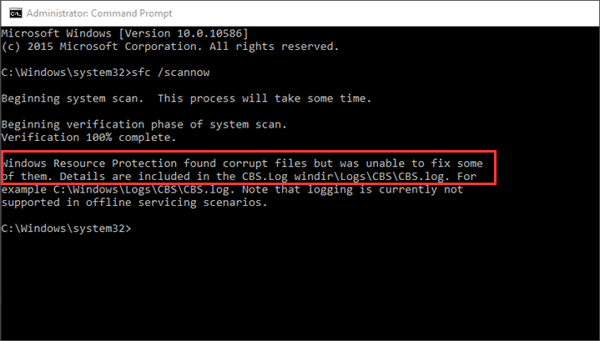
The System File Checker (SFC) is a utility in Windows that scans for corruptions in Windows system files and restores corrupted files, according to Microsoft Windows Support.
Windows users may encounter issues running the SFC / scannow command to repair corrupted system files on their Windows 10/8/7 PCs. To quickly restore corrupted system files and make SFC work again, follow these steps.
Part 1. Check and View 'SFC Won't Run' Error Details
Before fixing the SFC not working error on your PC, we recommend checking the details of this issue. To do this, follow the tips below:
1. Press the Windows key + X to open the Power User menu, then select Command Prompt from the list of options.
2. Type: sfc /scannow and hit Enter.
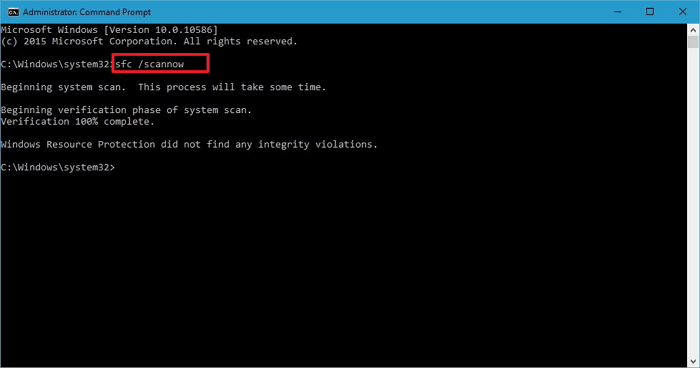
3. If you're experiencing issues with your Windows 10 installation, you may see error messages indicating the problem. If you encounter the following error messages, take the corresponding actions:
- Windows Resource Protection did not find any integrity violations: The system file check has confirmed that all necessary system files are present and not corrupted, so no further action is required.
- Windows Resource Protection could not perform the requested operation: The SFC command is not working properly, resulting in a problem while running the scan and offline scan command. A different tool, specifically an SFC alternative tool, can be used as an alternative to help resolve the issue.
- Windows Resource Protection found corrupted files and successfully repaired them. Details are included in ...: The SFC command lines work normally without any issues, so no further actions are required.
- Windows Resource Protection found corrupted files but was unable to fix some of them: The command sfc /scannow scans all protected system files and replaces any that are corrupted or missing, but it cannot fix files that are in use by other programs or system processes, or if the file is missing from the installation media.
To recover corrupted files on a Windows PC, you can try using the System File Checker (SFC) tool, which scans and repairs corrupted system files. If the SFC tool doesn't work, you can also try using the DISM tool to scan and repair corrupted system files. If these tools don't work, you may need to use a third-party file recovery tool or seek professional help to recover your corrupted files.
Part 2. Repair Corrupted Files with SFC Alternative Tool on Windows PC
When the System File Checker (SFC) fails to work, the first step is to find an alternative tool or program that can help repair corrupted files on a Windows PC.
Here we recommend trying Qiling Partition Master to scan, find, and repair corrupted system files on Windows 10/8/7 in just three simple steps.
After this, you shall be able to use saved data on the hard drive partition and save new data on the drive.
Part 3. Fix SFC (System File Checking) Is Not Working Error on Windows 10/8/7
If your System File Checker (SFC) is not working on your Windows 10/8/7 computer, there are a few methods you can try to manually repair and fix the issue. You can try running the SFC command with administrator privileges, checking for corrupted system files, and running the DISM command to repair any corrupted system files.
Method 1. Run DISM command to resolve sfc /scannow won't run issue
1. Press Win + R to bring up Run dialog and type: cmd to open Command Prompt.
2. Sign in with your administrator account and password if the system asks.
3. Type: Dism /Online /Cleanup-Image /RestoreHealth and hit Enter.
4. Reboot your PC to keep all changes to repair the SFC to work again.
Method 2. Manually repair corrupted system file and make SFC work again
1. To update Windows, press the Win + I keys to open the Settings window, then click on Update & security.
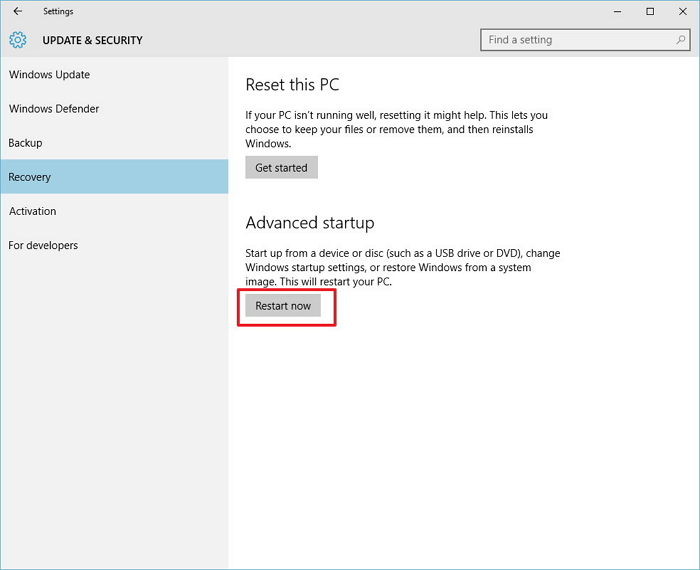
2. Click Recovery, select Restart now under Advanced startup.
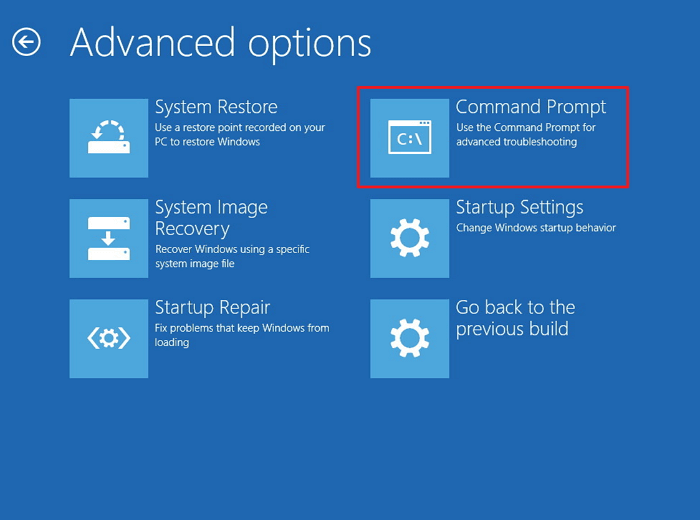
3. Click Troubleshoot > Advanced Options and then select Command Prompt.
4. To troubleshoot the issue, enter your Administrator account and password on the reboot, then type "wmic logicaldisk get deviceid, volumename, description" and hit Enter.
5. Type: sfc /scannow /offbootdir=C:\ /offwindir=D:\Windows and hit Enter to continue.
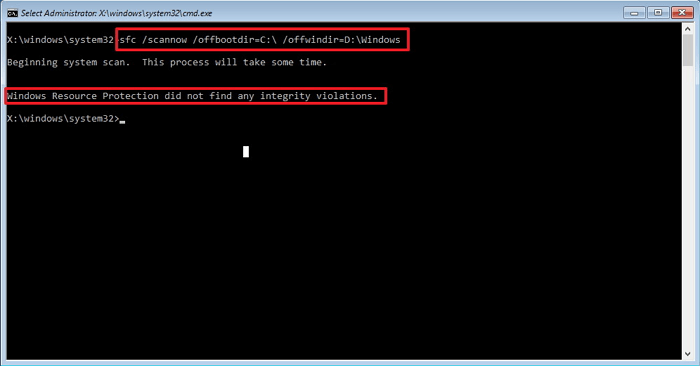
By doing so, Windows will repair the corrupted system files offline on your PC.
6. Then close Command Prompt when the scan and repair process complete.
7. Click Continue to exit and go back to your Windows 10.
After this, you should be able to use the SFC to check and repair corrupted files on your computers again.
- Notice:
- The methods mentioned can also be applied to fix SFC issues on Windows 8/7 computers. For specific instructions tailored to Windows 8/8.1 or Windows 7, please search online for the right guide, as some steps may need to be adjusted.
Related Articles
- Fix MacBook Pro Shuts Down Randomly Error and Restore All Lost Data
- Adobe Illustrator AutoSave, Backup and Protect Illustrator from Crash Error
- Access Denied When Copying Files Windows 10/8/7
- Solution for Windows 10 Reset Stuck Issue
- Atomic Heart Save File Location on a PC [2024 Tips]
Where are the save game files located? How to find Atomic Heart save file location? You can get all the answers here. Besides, If you lost Atomic Heart game data, run Deep Data Recovery to get them back. - How to Clear Windows Update Cache | Top Answers
Learn how to clear the Windows Update cache and troubleshoot common update issues with our top answers and step-by-step guides. By following these tips, you can keep your Windows system running smoothly and up to date.
Products
Articles & Tutorials
- Data Recovery
- Data Backup
- File Recovery
- File Backup
- System Backup and Restore
- Disk and Partition Clone
- Technical articles
- Mobile articles
- Disk Master Help
- Windows Data Recovery Tutorials
- Windows Secure Delete Tutorials
- Windows Partition Management Tutorials
- Windows File Backup and Restore Tutorials
- Windows System Backup and Restore Tutorials
- Windows Disk Backup and Restore Tutorials
- Windows Clone Tutorials