All Information About WannaCry Virus [Updated 2022]
What Is WannaCry Virus?
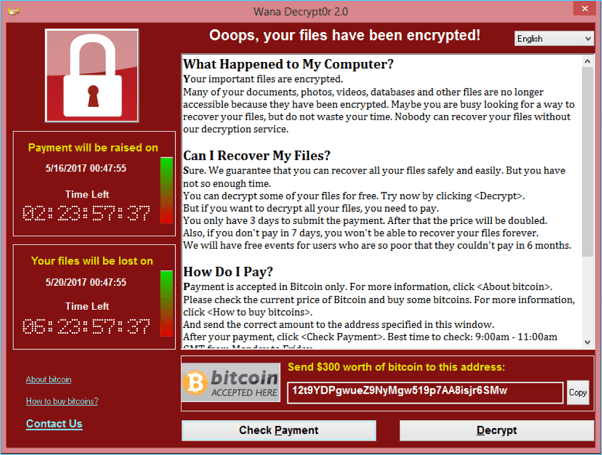
WannaCry, WannaCry, also known as Wanna Decryptor, is a devastating computer virus that spread rapidly in the 21st century. It's a type of crypto-ransomware worm that targets Windows operating systems, encrypting valuable data and holding it hostage in exchange for a $300 (later $600) Bitcoin ransom.
How Does WannaCry Ransomware Work?
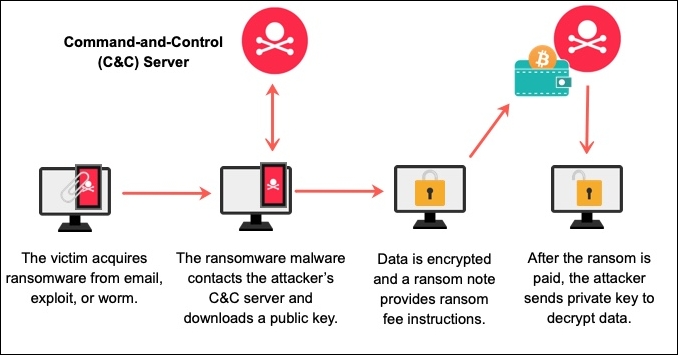
The WannaCry virus exploited vulnerabilities in the Microsoft Windows operating system, allowing it to spread automatically and infect all computers in a system within hours.
The WannaCry ransomware attack was also facilitated by the EternalBlue exploit, which was leaked from the NSA. Microsoft had released a security patch for this exploit before the attack, but many individuals and organizations failed to install it, leaving them vulnerable to the attack.
The WannaCry virus would scan a computer system for various file types, including Microsoft Office files, pictures, videos, and documents, and then encrypt the data, which could only be decrypted with a digital key. The virus would then append the suffix "WNCRY" to the encrypted files and display a blackmail dialog box on the desktop, demanding payment in Bitcoin to restore access to the data.
Despite paying the ransom, the victims' computers were not released and their data remained encrypted.
Why Is WannaCry Virus So Successful?
The WannaCry virus caused widespread damage, infecting hundreds of thousands of computers in over 150 countries in just a few hours, highlighting its unprecedented success.
The WannaCry Virus was a worm-like ransomware that could propagate itself and delete files on computers without human intervention. This was partly due to the fact that some users failed to update their operating system in time, leaving them vulnerable to the attack. Additionally, victims who clicked on malicious links in emails also contributed to the spread of the virus, which is often a result of spam and phishing emails.
What Is the Impact of the WannaCry Attack?

The WannaCry attack, which occurred on May 12, 2017, initially targeted Asia but quickly spread globally, causing significant losses in finance, energy, and healthcare sectors.
The WannaCry Virus attack had a profound impact on organizations worldwide, infecting over 200,000 computers in 150 countries and causing billions in damage. It particularly affected the UK's National Health Service, as well as large manufacturers like TSMC, Boeing, and FedEx, and even some universities in China. The unprecedented scale of the attack left a lasting impression on the global community, highlighting the need for robust cybersecurity measures to prevent such incidents in the future.
Is WannaCry Virus Still a Threat?
The WannaCry virus and its variants continue to pose a threat to computers, particularly if users fail to update their Windows operating system to ensure they have the latest security patch. This is also a risk for companies that neglect to patch their systems, leaving them vulnerable to attack. However, the influence of WannaCry is gradually diminishing as new technology emerges.
How to Defend Against Ransomware like WannaCry Virus
Now that we have gotten intimate knowledge of the destructiveness of the WannaCry Virus, fortunately, we can take many cybersecurity steps to help defend against a ransomware attack.
To protect yourself from ransomware, individuals can take several measures. This includes backing up your data regularly, using strong passwords and keeping them confidential, being cautious when opening emails or attachments from unknown senders, and installing reputable antivirus software to detect and remove malware.
- Update your software and operating system regularly;
- Use anti-virus or anti-malware software;
- Do not click on suspicious links;
- Never open an untrusted email attachment; and
- Do not download software from untrusted websites.
For businesses and organizations, defending against ransomware requires a multi-faceted approach. This can include implementing robust cybersecurity measures, such as firewalls, antivirus software, and regular software updates, to prevent initial infection.
- Use cybersecurity software that can detect and block ransomware threats, helping to prevent data loss and financial damage.
- Keep anti-malware and firewall software up to date;
- Train the staff to be aware of phishing emails or watering hole attacks, which can compromise the security of the organization. This can be done through regular training sessions and workshops to educate employees on how to identify and report suspicious emails or websites.
- Make a backup of your data frequently; and
- Plug exploits by regularly checking for security updates.
For those in need of a solution, there are free virus removal software options available to help protect and clean computers from malware and other online threats.
Related Articles
- [Tracing IP Address] How to Trace An IP Address?
- 3-2-1 Backup Rule: Establish A Secure Data Backup
- Can Ransomware Encrypt an Already-Encrypted Drive?
See how encrypted containers hold up against ransomware outbreaks like WannaCry. - The Ways to Enable/Disable SIP Mac (System Integrity Protection Mac)
- 6 Fixes: Windows Has Problem Ejecting USB Mass Storage Device
This article is mainly about the problem of failed to eject USB mass storage devices. No matter you are using a USB flash drive or an external hard drive, you can apply the methods introduced on this page to solve your problem. - Top 7 Best Product Key Extractor for Windows 11/10
Looking for the best product key extractor for Windows 11/10? Discover the top 7 tools to recover lost Windows, Office, and software product keys quickly and easily.
Products
Articles & Tutorials
- Data Recovery
- Data Backup
- File Recovery
- File Backup
- System Backup and Restore
- Disk and Partition Clone
- Technical articles
- Mobile articles
- Disk Master Help
- Windows Data Recovery Tutorials
- Windows Secure Delete Tutorials
- Windows Partition Management Tutorials
- Windows File Backup and Restore Tutorials
- Windows System Backup and Restore Tutorials
- Windows Disk Backup and Restore Tutorials
- Windows Clone Tutorials