What Is Wifi Card and How to Use It? [Everything You Need to Know]
Internet connectivity has become an essential part of our daily lives, both personally and professionally. With the growing trend towards wireless connectivity, various applications such as remote mobile devices and IoT are becoming increasingly popular. However, Ethernet cables are unable to facilitate machine-to-machine conversations or smooth internet connectivity, making Wi-Fi cards a preferred choice for many devices.
Let's dive into the world of wireless cards. A Wi-Fi card, also known as a wireless network card, is a hardware component that allows devices to connect to wireless networks. The key advantages of Wi-Fi cards include convenience, mobility, and speed, making them a popular choice for internet access. There are several types of wireless cards, including PCMCIA cards, PCI cards, and USB cards, each with its own set of features and uses. To use a wireless card, you'll need to follow a series of steps, including installing the card, configuring the network settings, and connecting to a wireless network.
What is Wi-Fi Card?
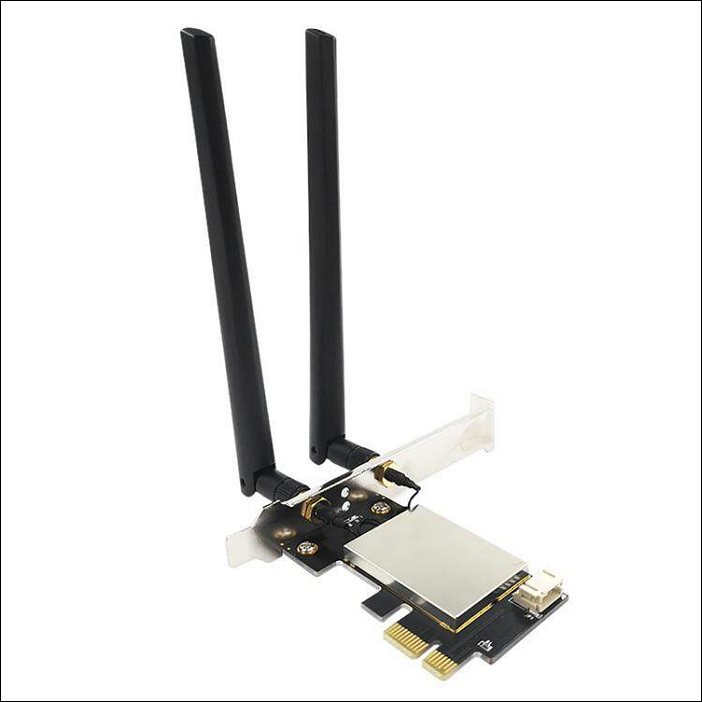
The Wi-Fi card is a hardware component that enables devices to connect to a wireless local area network (WLAN), providing a smooth and cable-free internet connection. It can be easily integrated into a system, eliminating the need for cables and allowing for seamless wireless connectivity.
Definition:
The Wi-WiFi cards can be easily connected to computers using a PC card, USB, or PCI card, allowing for quick access to wireless internet. They can be used to connect to older systems with a PC card or USB, while newer systems can utilize USB or PCI cards for connectivity. These cards offer several advantages, including convenience, flexibility, and ease of use.
Advantages of Wi-Fi card:
The Wi-Fi card offers several key advantages, including a seamless internet connection.
- Wide reach: Wireless cards have a wider reach than wired networks, making them ideal for locations with limited wireless cables. They can also handle a large number of users, making them a convenient option.
- Affordable: Wi-Fi cards are the most affordable and easiest to install option for wireless networks, with lower overall expenses and no need for additional accessories.
- Improved data communication: Wireless cards are efficient devices that enable quick information transfer, and their upgrades and configurations can be easily implemented to enhance system connectivity.
- Resistant to physical damages: Ethernet connections require high-performance cables, but they are prone to damage from shock and vibration. In contrast, wireless cards utilize swappable card technology, which eliminates physical damage and allows them to withstand external interruptions.
- Flexible connection: Wi-Fi cards enable users to quickly connect to the internet, share information at any time and from anywhere, and overcome flexibility challenges of wired Ethernet connections.
Types of Wi-Fi Cards:
Wi-Fi cards have become a staple for many users, offering the convenience of wireless internet connectivity. With their main advantages, such as ease of installation, portability, and high-speed data transfer, they have become a popular choice. However, selecting the perfect wireless card can be a daunting task, especially with the two types available: USB Wi-Fi adapters and PCI/PCIe Wi-Fi cards. To make an informed decision, users should consider their specific needs, such as the type of device they are using, the desired level of performance, and the level of convenience they require.
- PCI or USB wireless network cards: Used to install a wireless network.
- 3G wireless network cards: Used to access the internet through a 3G wireless interface.
Here are the top three options for wireless internet cards:
1. ASUS 4x4 802.11 AC Wireless AC3100 PCIe Adapter
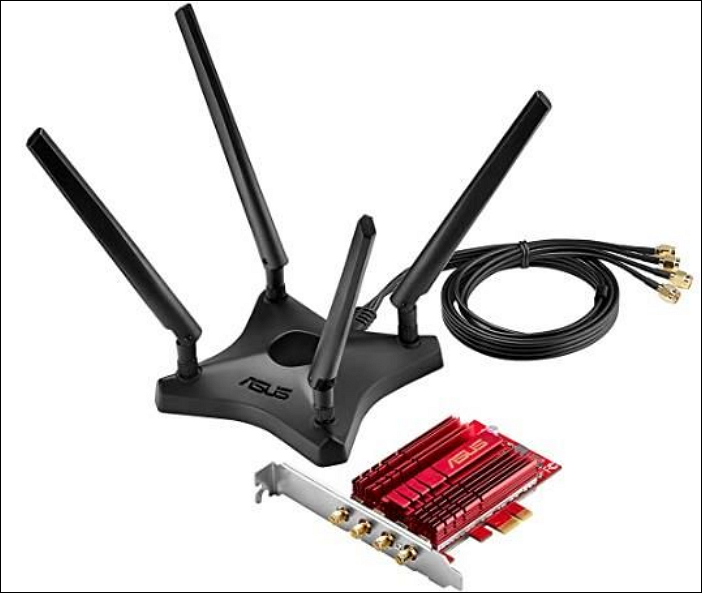
This wireless card is ideal for gamers who need seamless internet connectivity. It's a dual-band adapter that runs on lithium-ion batteries, ensuring a lightweight installation that won't weigh you down.
Features:
- It offers up to 60% faster speed on the system.
- The device is compatible with various aftermarket antennas and features an external antenna base, allowing for flexible positioning of the antenna for optimal performance.
- The individual antennas can be directly connected to the PCIe card.
- The custom heatsink provides efficient heat dissipation, ensuring improved reliability and stability.
2. TP-LINK Archer T9E AC1900
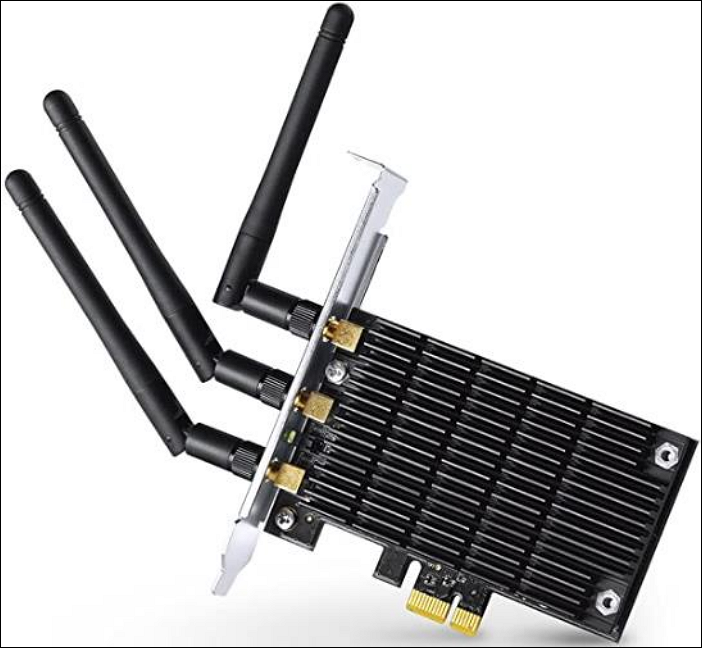
It is an innovative Wi-This wireless card is designed to be easy to use and install, offering amazing speeds for various devices. Every part of the card is optimized for improved efficiency, making it a reliable choice for users.
Features:
- It comes with a bundled management utility.
- It has an innovative heat sink design for improved performance.
- It has three external antennas for an amazing Wi-Fi range.
- It offers the choice to select from 2.4GHz or 5GHz.
3. TP-LINK AC1200
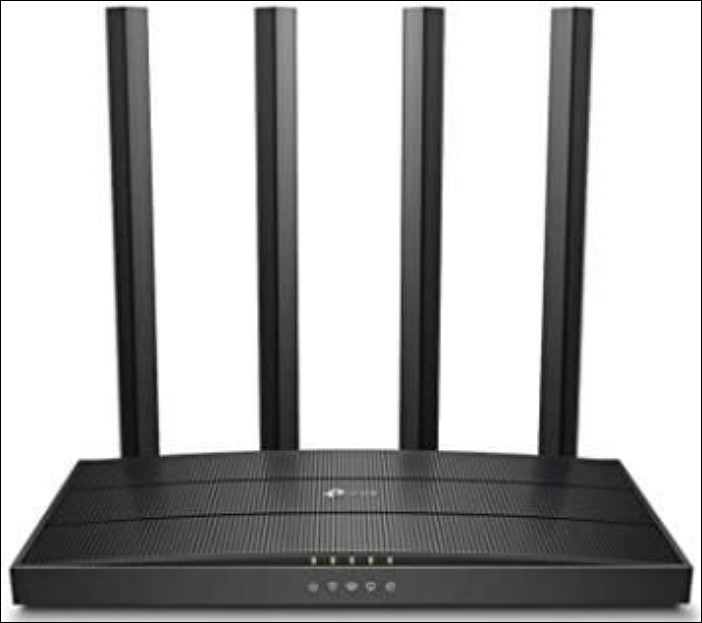
It is a popular Wi-A new Fi card is available that can transfer data to different devices at double the speed, making it a perfect solution for Wi-Fi dead zones. It also features smart roaming and unified management, allowing users to quickly configure settings through a dedicated app.
Features:
- Four external antennas to concentrate Wi-Fi signals
- High-performance Chipset for a smooth internet experience
- Supports one-mesh function for seamless connection of different devices
- The device is compatible with various electronic devices, including smartphones, smart TVs, tablets, personal computers, and laptops.
Wi-Fi cards have become increasingly popular due to their ability to provide seamless internet connectivity, overcoming challenges associated with Ethernet connectivity such as coverage, number of connections, physical damage, and affordability. The various options available in wireless cards allow users to choose one that meets their specific needs.
How to Use Wi-Fi Card?
After understanding the Wi-If you're considering buying a wireless card, you're in for a treat. These devices are user-friendly and don't require technical expertise to operate. To get started, you'll need to install the card, which typically involves plugging it into your computer's USB port or PCI slot. Once installed, you can check the card's proper functioning by running a diagnostic test or checking the device manager to ensure it's recognized by your system. With these simple steps, you'll be up and running with your wireless card in no time.
How to install a Wi-Fi card?
The quick steps to install a Wi-Fi card are as follows:
Step 1. Turn off your system.
Step 2. To open the case of the CPU, follow the instructions provided in the CPU manual, as the construction may vary depending on the type of CPU. Be gentle when opening the case to avoid causing any damage.
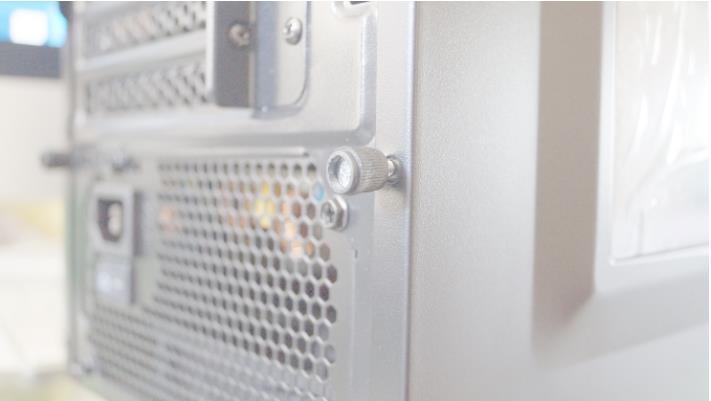
Step 3. To identify the PCI-e slot, locate the rear side of the PC, where the removable plates are situated. This is where the PCI-e slot is usually found.
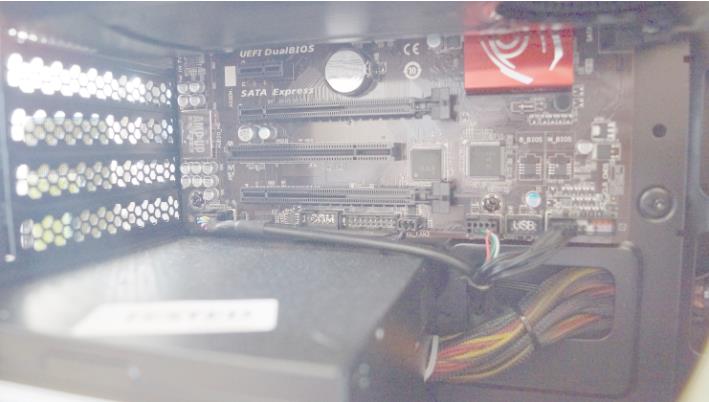
Step 4. Remove the metal plate with the help of the CPU's manual.
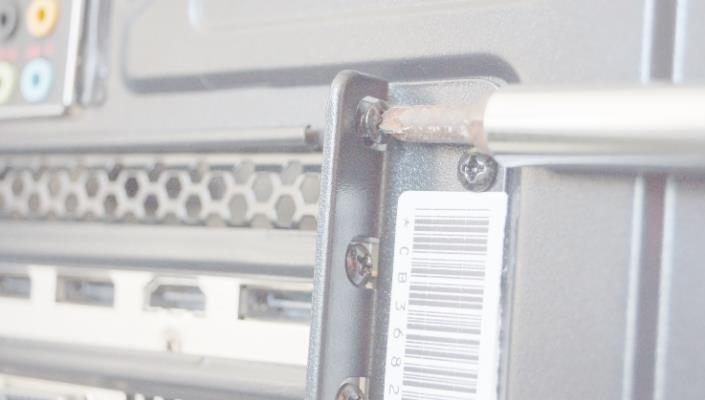
Step 5. To properly install a wireless network card, ensure that the card is aligned with the PCI-e slot and that the chips are facing the bottom of the case. This ensures a secure and correct installation.
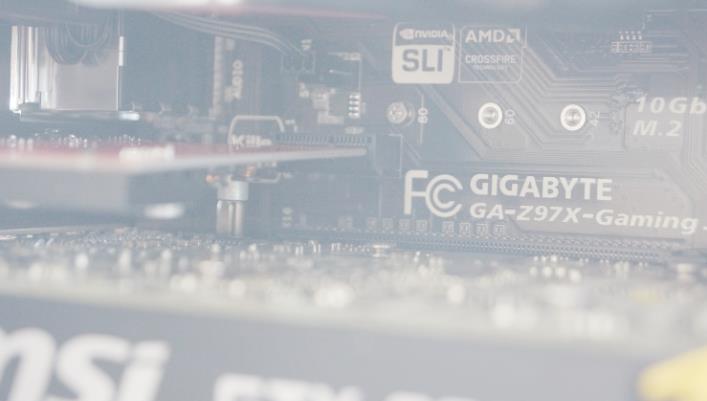
Step 6. Insert the card into the PCIe slot until it clicks or is fully seated, ensuring the flat plate faces the system's back.
Step 7. Place the computer card into its case, securing it with a screw. Remove the yellow caps and attached antennas from the card. Close the case and power on the computer.
Step 8. Close the case and start the computer.
How to check if the Wi-Fi card is working?
The following are the steps to check if the Wi-Fi card is working:
Step 1. Click the "Start" button and go to the "Device Manager."
Step 2. To find the wireless card name, go to the "Network Adapters" option in your system settings, and check the name of the wireless card listed there.
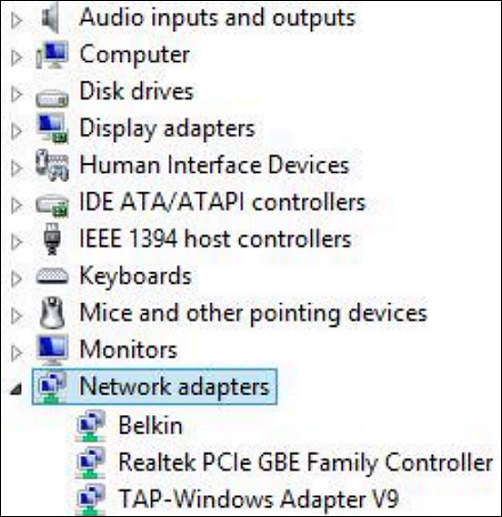
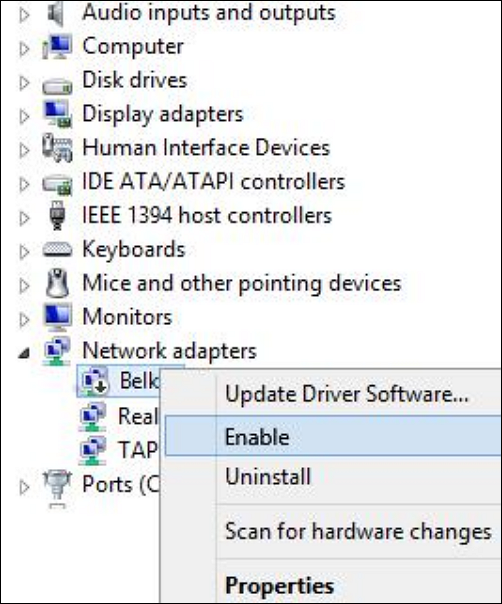
Step 3. To check if the wireless card is enabled, right-click on the wireless card name and select the option to enable it. This should resolve the issue.
Conclusion
Hence, Wi-WiFi cards, also known as wireless adapters, are cards that add internet connectivity to a system, and come in different types to match system compatibility. They can be installed internally or used in a slot, providing wireless internet access to the system.
Wi-Fi cards are a convenient way to connect to high-speed hotspots, and their advantages include ease of use and high-speed connectivity. They come in different types, such as USB Wi-Fi adapters and PCMCIA cards, each with its own set of features. To use a Wi-Fi card, simply install it in your system, follow the manufacturer's instructions to configure it, and check if it's working properly by testing your internet connection. If you encounter any issues, troubleshooting techniques such as restarting your router or updating your drivers may resolve the problem.
Wi-Fi Card FAQs
Here are answers to some frequently asked questions about Wi-Fi cards:
1. Where do I plug in my Wi-Fi card?
The Wi-The wireless networking card can be located by removing the metal plate and aligning it with the empty PCI-E slot, then straight entering it into the slot.
2. Does every PC have a Wi-Fi card?
Yes, all modern PCs have a Wi-The Wi-Fi card is easily installable in the system or can be purchased as an external wireless network adapter. Its availability can be checked by going to the "Installed devices" list in the "Start" menu.
3. Does a better Wi-Fi card make a difference?
Wireless cards, including 5G Wi-Fi and dual-band options, have limited coverage and are prone to interference, resulting in slower internet speeds compared to using an Ethernet connection.
Related Articles
- How Many Megabytes Are There in a Gigabyte
- What Is Firmware? - Tutorial And Example
- What is USB to HDMI Adapter? What Is It Used for?
- What Is Firewire? [Definition & Working Principle & Differences Between USB]
- Call of Duty Modern Warfare 2 File Location [All You Should Know]
Find Call of Duty: Modern Warfare 2 file locations, including save, config, and document files, and learn how to back them up. - Can I Use My SD Card as RAM on Android and Windows?
You can use your SD card as RAM on both Android and Windows devices, but it's not a straightforward process. This article explains how to do it correctly, providing a step-by-step guide on how to utilize your SD card as a makeshift RAM to improve your device's performance.
Products
Articles & Tutorials
- Data Recovery
- Data Backup
- File Recovery
- File Backup
- System Backup and Restore
- Disk and Partition Clone
- Technical articles
- Mobile articles
- Disk Master Help
- Windows Data Recovery Tutorials
- Windows Secure Delete Tutorials
- Windows Partition Management Tutorials
- Windows File Backup and Restore Tutorials
- Windows System Backup and Restore Tutorials
- Windows Disk Backup and Restore Tutorials
- Windows Clone Tutorials