Full Guide on Windows 11 Requirements [Everything You Should Know]
Introduction
Windows 11, released about a year ago, is set to receive its first major upgrade in the coming weeks. Despite initial reservations, the operating system has become more widely used, with many of its serious issues resolved, making it a more appealing option for those who were previously hesitant to upgrade.
To make your transition to Windows 11 smoother, we've put together a comprehensive installation guide that covers everything from activating required features like TPM and Secure Boot to detailed step-by-step instructions.
What Is Windows 11 Requirement?
Microsoft released Windows 11 in October 2021. If your computer meets the minimum requirements, you can upgrade to Windows 11 for free. The requirements include a 64-bit processor, 4GB of RAM, and a 64GB storage drive, along with a compatible TPM chip and Secure Boot.
1. Hardware Requirements
Windows 11 hardware requirements are as follow:
- 1 GHz or faster 64-bit processor or SoC with two or more cores (SoC).
- 4GB RAM or more.
- Windows 11 requires 64 GB* of storage.
Downloading updates and enabling features may demand more space.
- Compatible with DirectX 12 and WDDM 2.0.
- UEFI/Secure Boot-capable system firmware.
- 2.0 Trusted Platform Module.
- 9" or larger, 720p, 8 bits per color channel display.
- Internet connection is required for updates, downloads, and some functions.
To turn on Secure Boot for Windows 11 installation, you'll need to access the UEFI settings on your computer. This can usually be done by pressing a specific key during boot-up, such as F2, F12, or Del, and then navigating to the "Security" or "Boot" tab.
To install Windows 11, your device must meet certain hardware requirements, including a 64-bit processor, 4GB of RAM, and a Trusted Platform Module (TPM) 2.0 chip.
When users try to upgrade to Windows 11, they're often surprised by the numerous requirements and limitations that come with it, including the need to enable the secure boot feature.
2. Operating System Requirements
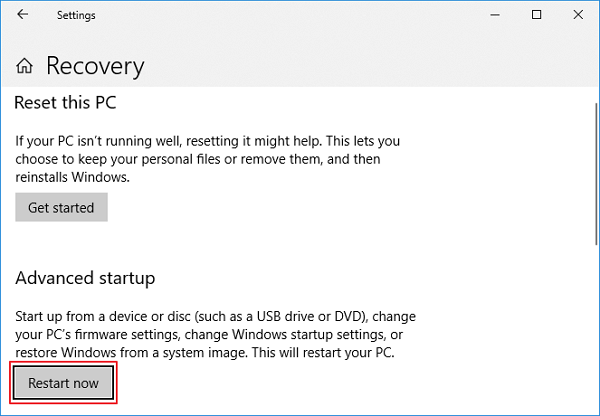
If your Windows 10 device was released after 2004 and has the September 14, 2021 security update, you can skip straight to Windows 11.
3. Feature-specific Requirements
Some Windows 11 features have additional prerequisites, which can be found on the features and requirements page.
- 5G modem required.
- Auto HDR: HDR monitor required.
- BitLocker to Go requires a USB drive to be enabled, and this feature is only available in Windows Pro and higher versions.
- Client Hyper-Windows 11 requires a processor that supports SLAT (Second Level Address Translation), which is a feature that is typically available on Windows Pro and higher versions.
- Cortana is a voice assistant available on Windows 11, requiring a microphone and speaker. It is a part of Windows 11 and is available in some languages and regions, but not all.
- DirectStorage is a feature that requires an NVMe SSD and a DirectX12 GPU with Shader Model 6.0 to store and run games.
- The sensor detects the human distance from the gadget or intent to interact, indicating the user's presence.
- Intelligent Video Conferencing: camera, mic, speaker (audio output).
- Multiple Voice Assistant: mike and speaker required.
- Three-column layouts require a 1920-pixel-wide screen.
- The taskbar mute/unmute feature requires a camera, microphone, and speaker (audio output) to function. Additionally, the app needs a global mute/unmute feature.
- Spatial Sound: hardware and software needed.
- Microsoft Teams: camera, mic, speaker (audio output).
- Two-2-factor authentication methods include using a Personal Identification Number (PIN), biometric data such as a fingerprint reader or infrared camera, or a phone via Wi-Fi/Bluetooth.
- Windows Projection requires a WDDM 2.0 display adapter and Wi-Fi Direct.
Windows 11 Requirements vs. Windows 10 Requirements
Switching from Windows 10 to Windows 11 can be challenging for some users, with some even calling it the most controversial update of the Microsoft OS. To help you decide which one is better, let's compare the CPU requirements and features of both operating systems. This will give you a clearer understanding of which one suits your needs.
Windows 10 Requirements
- Latest OS: Ensure you have the latest version of Windows by installing the most recent Windows update.
- Processor: 1 gigahertz (GHz) or faster processor or System-on-Chip (SoC).
- RAM: 1 GB for 32-bit and 2 GB for 64-bit
- Hard disk: 16 GB for 32-bit OS, 20 GB for 64-bit OS
- Graphics card: DirectX 9 or later and the WDDM 1.0 driver
- Visual Resolution: 800 x 600
Windows 11 Requirements
To upgrade to Windows 11, you need Windows 10 version 2004 or later. You can do this by going to Settings > Update & Security > Windows Update, where you can get the free update.
- Processor: A 1GHz or greater 64-bit CPU with 2 or more cores, often found in a System on Chip (SoC).
- RAM: 4GB (GB).
- Storage: 64GB or greater
- System firmware UEFI: Secure Boot Capability.
- TPM: version 2.0.
- Graphic card: DirectX 12 and WDDM 2.0 driver compatible.
- Visual Resolution: 8-bit per color channel, 9-inch diagonal HD (720p) display.
What We Think:
Windows 10 used to have relatively low system requirements, needing only a 1GHz processor, 1GB of RAM (2GB for 64-bit), 16GB of storage, and an 800x600 display. In contrast, Windows 11 requires a more powerful PC with a 1GHz, 64-bit processor that has 2 or more cores.
Windows 11 requires an Intel 8th-gen Core CPU or later, or a Ryzen 2000 series CPU or later, and at least 4GB of RAM and 64GB of storage.
In Windows 11, Microsoft has included TPM, a more compatible graphic card, and higher visual resolution, making it more compatible with modern hardware.
Is Windows 11 Worth the Trouble?
Upgrading to Windows 11 is worthwhile for most users, as it offers a fresh, new look and feel compared to Windows 10. Despite the visual differences, the operating systems share many similarities under the hood, making the upgrade process relatively smooth. The benefits of Windows 11 include a more modern interface, improved performance, and enhanced security features. However, some users may find the changes too drastic, and the upgrade process may require some adjustments to get used to the new layout and features. Overall, the advantages of Windows 11 make it a worthwhile upgrade for most users.
Benefits:
- AI-powered functionality and design modifications are included.
- Memory management
- Superior performance with 4 GB of RAM
- Good collaboration tools
- This tool assists with framing automatically, adjusts for eye contact in meetings, and blurs the background.
Drawbacks:
- More bugs than Windows 10
- A recent update massively affected SSD Speed
- Device Compatibility issue
Reasons to Buy Windows 11:
- Windows 11 has a smooth performance, despite occasional issues with the Control Panel dialog box. The operating system's rounded window corners, small Taskbar, and touch-friendly design are visually appealing.
- Windows 11's snapshot choices keep improving.
- Windows 11's apps are better than 10's.
- Ultra-Windows 11 requires a Trusted Platform Module (TPM) 2.0, a secure processor, to ensure secure boot and other security features.
- Windows 11's new docking behaviors simplify the process of using an external display by automatically adjusting settings and layout, making it easier to work with multiple monitors.
How to Test If PC Can Run Windows 11?
To check if your computer is compatible with Windows 11, you can follow the provided list of methods, which include checking the system requirements, using the PC Health Check app, and verifying the hardware specifications. If your device meets the requirements, you can then proceed with installing Windows 11 by following the specific actions outlined for your device type.
To check if your PC can run Windows 11, there are two ways. Firstly, you can use the PC Health Check tool provided by Microsoft, which can be downloaded from the official Windows website.
Option 1: Check to See if Your PC has TPM
Option 2: Download PC Health Check
Option 1: Check to See if Your PC has TPM
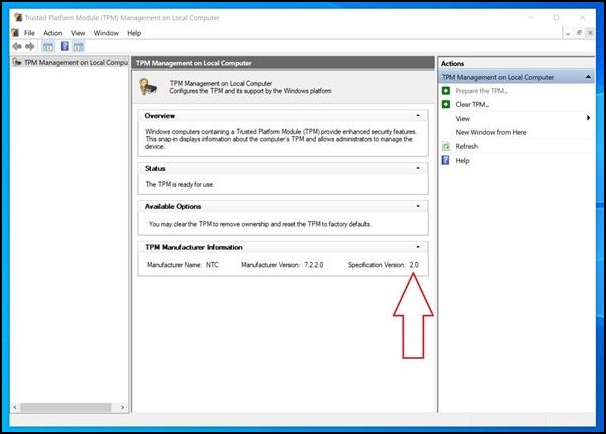
Step 1. To access the Trusted Platform Module Management app, type tpm.msc in the Windows 10 search bar.
Step 2. If you scroll down to TPM Manufacturer information, you can see if a Trusted Platform Module (TPM) is installed and certified, which can help with security and authentication.
Option 2: Download PC Health Check
Microsoft offers a free app called PC Health Check that can determine if your computer is capable of running Windows 11, which can be downloaded from the Microsoft website.
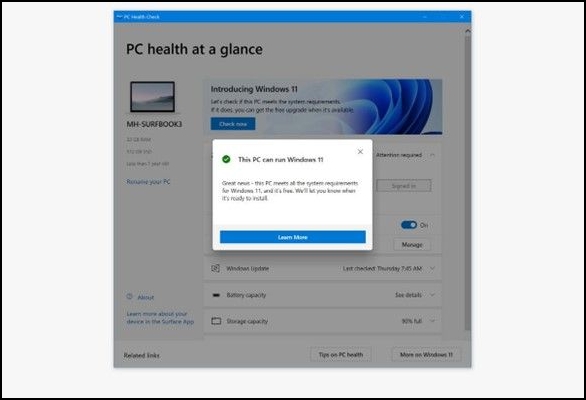
Windows 11 is available through Windows Update and will notify you when it's ready to install, allowing you to upgrade without deleting any PC information. To run Windows 11 on your device, simply follow the steps provided by Windows Update.
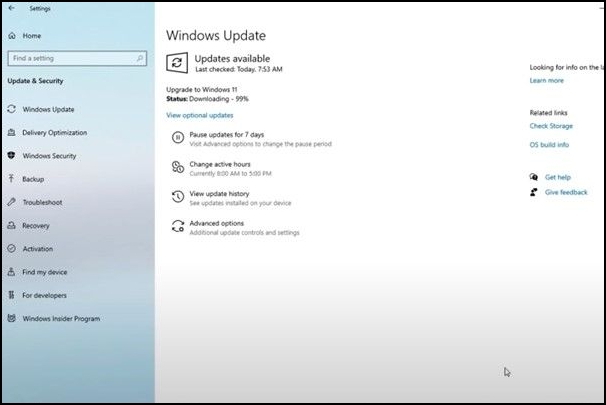
Step 1. Open Settings > Update & security. Click "Updates".
Step 2. To upgrade to Windows 11, click on the free Upgrade to Windows 11 prompt, then select "download and install" and finally click "Accept and install".
Step 3. You should see Windows 11 Upgrade with a percentage and download status under Windows Update. Finish the Windows 11 upgrade process by following the prompts to restart your computer and complete the installation. Once the process is complete, you should see a "Welcome to Windows 11" screen.
Summary
Windows 11 is now the standard for PC operating systems, with Microsoft investing significant time and effort into making Windows 10 appear better. However, the transition to a new operating system is often not smooth, so it's essential to stay informed about the latest developments, suggestions, and information to ensure a seamless upgrade to Windows 11.
Windows 11 Requirements FAQs
1. Does my PC meet Windows 11 requirements?
To determine if your hardware upgrade satisfies Windows 11's specifications, you can check the Windows 11 system requirements and compare them to your system's specifications. You can also use the PC Health Check app to scan your system and provide a report on whether it meets the requirements.
- Download PC Health Check here.
- To run a PC Health Check, press the Windows logo key + S or select Search, then type "pc health check" to initiate the process.
- Tap Check.
2. Is 4GB RAM enough for Windows 11?
Windows 11 can run with 4 GB of RAM, but it's not ideal due to frequent crashes and reloads caused by third-party programs, which is not a result of the OS itself but rather the lack of sufficient RAM to handle them. Windows 11 officially requires 8 GB of RAM.
3. Is Windows 10 or 11 better?
Windows 11 will improve gaming visuals by borrowing technologies from the Xbox Series X, including Auto HDR, which upgrades HDR visuals for DirectX 11 or higher games.
4. How to check whether your PC is compatible with Windows 11?
To check if your device is compatible with Windows 11, click on the "Windows 11" page on Microsoft's website and tap "Download app" under the "Check compatibility" section, which will download the Microsoft PC Health Check app.
Related Articles
- What Is the Windows Task Manager? [Everything You Should Know]
- What Is ReFS File System? Everything You Need to Know
- Windows 11 22H2 Slows Down Copying of Files
- What Is Power Automate? Everything You Need to Know about Microsoft Automation Tool
- External Hard Drive Temperature Range [Full Guide in 2023]
Learn the safe external hard drive temperature range and how to prevent overheating, slow performance, and possible data loss. - How to Factory Reset an Acer Laptop on Windows 10/8/7
If you want to learn how to factory reset your Acer laptop running Windows 10/8/7, this guide is for you. It will walk you through the process of restoring your laptop to its original settings.
Products
Articles & Tutorials
- Data Recovery
- Data Backup
- File Recovery
- File Backup
- System Backup and Restore
- Disk and Partition Clone
- Technical articles
- Mobile articles
- Disk Master Help
- Windows Data Recovery Tutorials
- Windows Secure Delete Tutorials
- Windows Partition Management Tutorials
- Windows File Backup and Restore Tutorials
- Windows System Backup and Restore Tutorials
- Windows Disk Backup and Restore Tutorials
- Windows Clone Tutorials