[Fixed 2022] Backup and Sync Not Working in Google Drive
| Workable Solutions | Step-by-step Troubleshooting |
|---|---|
| 1. Fix Google Backup and Sync Issue | Pause and resume your sync; Log out and log in to your Google Drive account ...Full steps |
| 2. How to Double Backup Your Files |
Scheduled Backup to make sure all changes are backed up. Restore the whole system...Full steps |
| 3. How to Backup Using Software | Click the "Select backup contents" button to start backup; There are four...Full steps |
Many cloud platforms offer backup and sync, but Google Drive's service has its disadvantages, including unreliability. The backup and sync feature sometimes fails to work as expected, resulting in the inability to sync files across devices and from the cloud. This post addresses the issue of backup and sync not working in Google Drive and provides a solution to fix it. Additionally, an alternative method of backing up files using Qiling backup and recovery software is explained.
What Does Google's Backup and Sync Do?
Once connected with your Google Account, the software can sync files between your PC and Google Drive, allowing you to choose which files to be available on the PC and which ones stay on the cloud, as well as add folders and files from the computer to sync between the cloud and other devices.
The backup and sync service may not be functioning properly, which can cause issues such as files or folders not being visible in Google Drive, the service not working in Google Drive, or it getting stuck on the "Downloading" screen.
OneDrive not syncing on Windows PC can be frustrating, and there are several reasons why it might happen. Some possible causes include issues with the OneDrive app, Windows updates, or conflicts with other cloud storage services. If you're experiencing syncing problems, try restarting the OneDrive app, checking for Windows updates, or uninstalling and reinstalling the app. Additionally, ensure that your internet connection is stable and that you have sufficient storage space on your OneDrive account.
Many users who take advantage of OneDrive's convenient storage services often encounter problems, with one common issue being OneDrive not syncing properly.
Reasons Why Google Backup and Sync Are not Working?
Google's Backup and Sync issue can be caused by various reasons, including issues with the Google Drive account, incorrect setup of the Backup and Sync app, conflicts with other Google apps, problems with the user's computer or network, and more.
- Google Drive is a cloud storage service that requires a paid subscription to use, with an active account needed to access its features.
- Your computer may be running out of space, which is preventing the files from downloading.
- The process of syncing a file or folder is being interrupted by another software or process that is using the same file or folder, preventing the intended sync from occurring.
- To troubleshoot the issue, go to the Google drive login page, check if the error message persists. If it remains the same, close the browser and attempt to log in again.
- The sync has been paused by your or paused itself because there is an internet issue.
How to Resolve Google Backup and Sync issue?
To address the issue, it's essential to first create a temporary backup of all critical files using free backup software. This will ensure that you have a copy of all important files, including those related to Google Drive, in case there's a problem. By doing so, you can restore your files even if the issue persists.
1. Pause and resume your sync: To resolve sync issues with Google Drive, pause and resume the sync a few times. Right-click on the Drive icon in the System Tray, choose "pause", and then resume. If it's already paused, check the error message and resume again. This may resolve the issue.
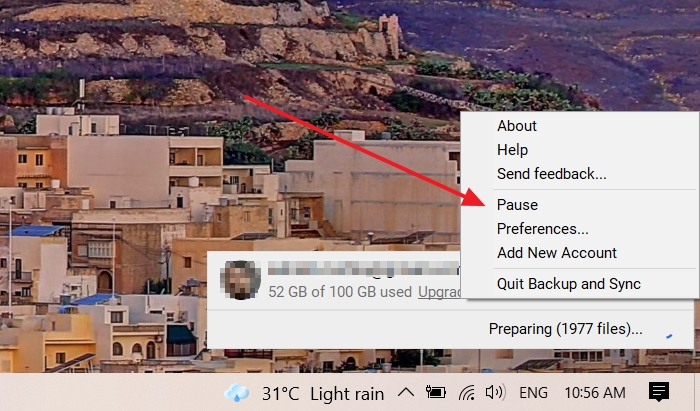
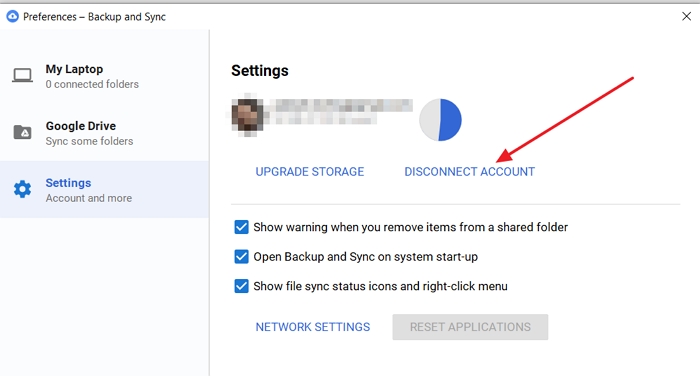
2. Log out and log in to your Google Drive account To resolve any issues related to your account, simply log in again. This will trigger a fresh sync, and the authentication process will be re-run to ensure that the problem is resolved.
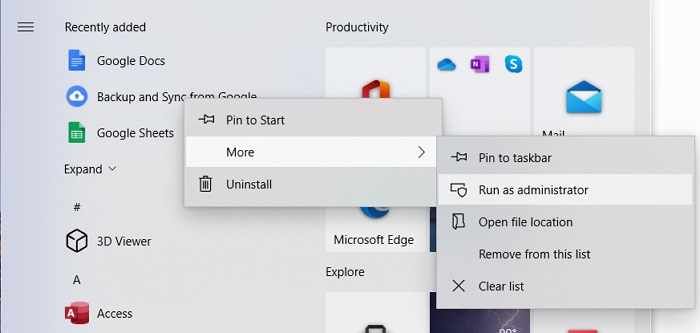
3. Run Backup and Sync as administrator: When the software can't run with admin permission, creating a shortcut and adding it to the Task Manager to run with admin privileges is a possible workaround.
4. Reinstall Google Backup and Sync: If everything else is running fine, you may want to reinstall the software. Uninstall it from Programs and Features, download the latest version from Google, and install it with admin permission.
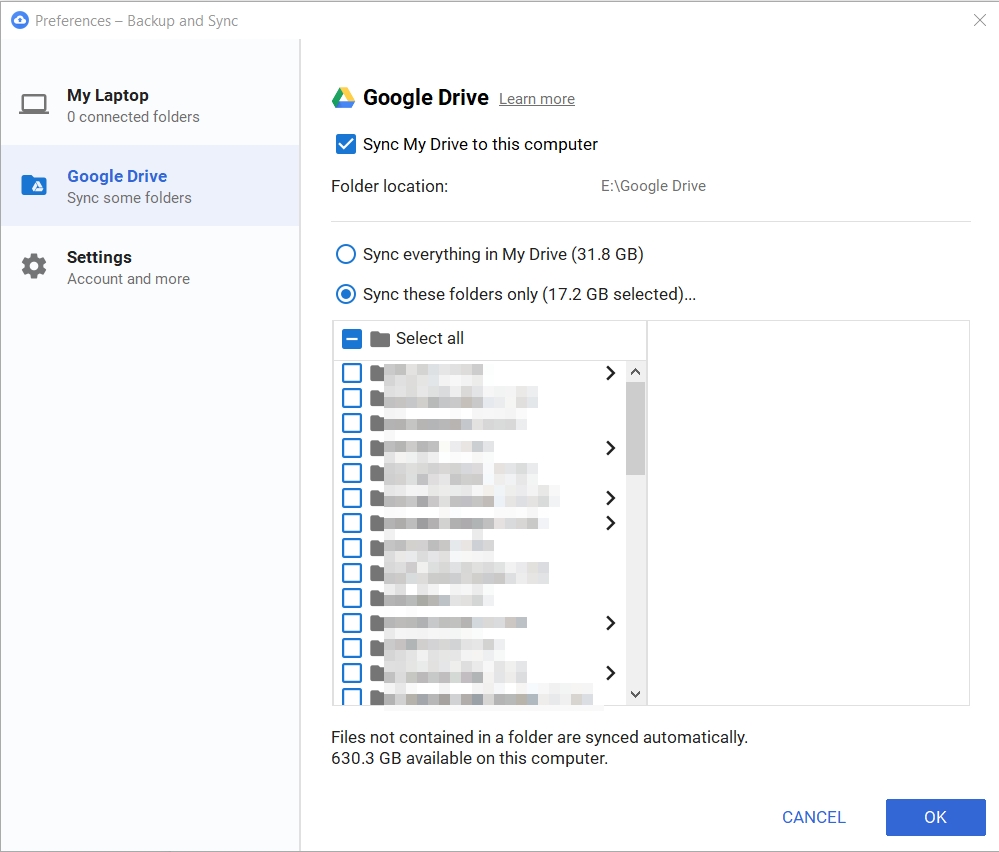
5. Synchronize folder settings: To resolve the issue, open Google Drive software settings, uncheck the synced folders, and add them again. This may resolve the issue if a specific folder was out of sync and has been restricted.
6. Restart router & Check Internet status: Many times, internet issues can be attributed to the internet itself, with routers often showing online status but failing to deliver. To resolve this, try restarting the router and any other connected equipment to see if that resolves the issue.
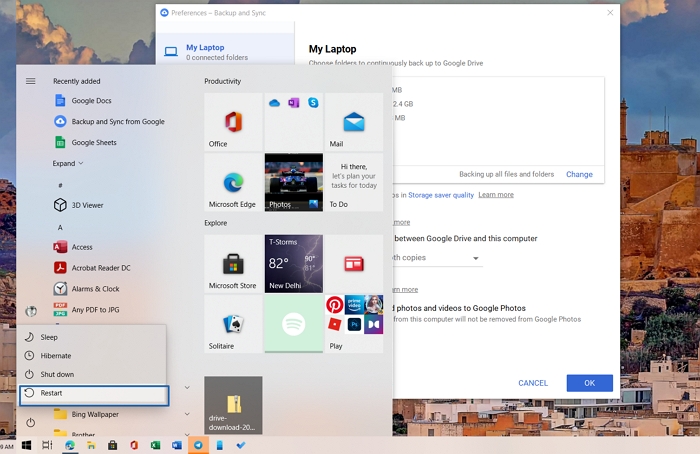
7. Restart your computer: Restart can solve tons of problems, It's possible that the service part of the software isn't running, and when you restart, it starts working and syncs everything, even if you hadn't noticed it was out of sync.
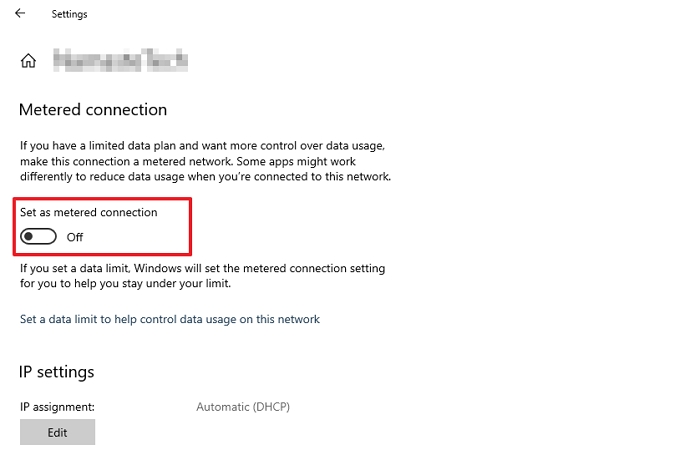
8. Check bandwidth settings: If your Windows PC has limited bandwidth, make sure Backup and Sync software is not part of the bandwidth limit, as it can consume a lot of data.
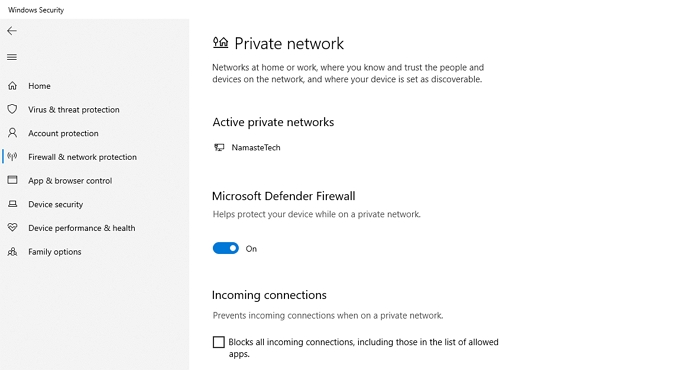
9. Check Firewall settings: The issue is likely due to security software restrictions, such as Windows Firewall or other security software blocking Google's software from accessing the internet. You should check these settings to resolve the issue.
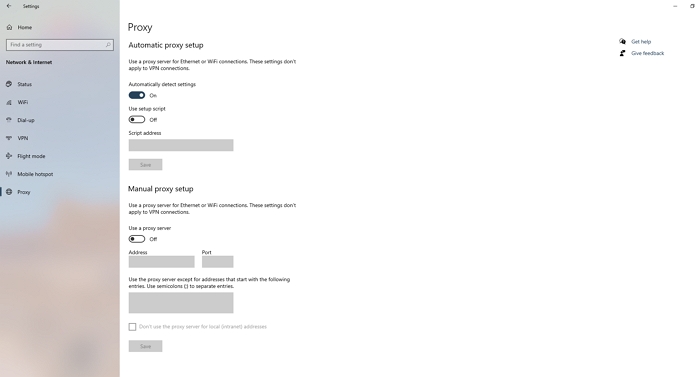
10. Change Proxy settings: The problem occurs when using proxy software such as a VPN that uses tunneling, causing Backup and Sync to malfunction. To resolve the issue, you can turn off the proxy on the running machine.
How to Double Backup Your Files
Having a cloud backup is great, but it's equally important to have a secondary backup of your files, including those on your PC. Using professional software like Qiling Backup is highly recommended to set this up. This way, if you lose access to your cloud backup, you can still access your files using the backup created.
Qiling Backup: Features and highlights
This professional backup and restore software ensures fast and secure backups with a focus on encryption to protect your data from unauthorized access. It also features a Smart Backup option that automatically takes regular backups and only saves changed files, minimizing storage space and ensuring only the most up-to-date data is stored.
- Scheduled Backup to make sure all changes are backed up.
- Restoring the whole system is the best option, as it will bring back all the files, applications, and settings to their original state. This way, you can avoid the hassle of reinstalling everything and ensure that your system is restored to its previous condition.
- Offers System, File, and Partition/Disk Backup.
- Quick Restore ensures you are back to normal working quickly.
- Outlook email backup & recovery
- Transfer system to different PC
- Clone Partition or create System Clone
- Create Emergency Disk
How to Backup using Qiling Backup
The software offers two backup options: regular and smart. Regular backup deletes old backups to prevent disk space issues, while smart backup creates a new backup every 30 minutes, backing up only changed files, with a full backup created weekly.
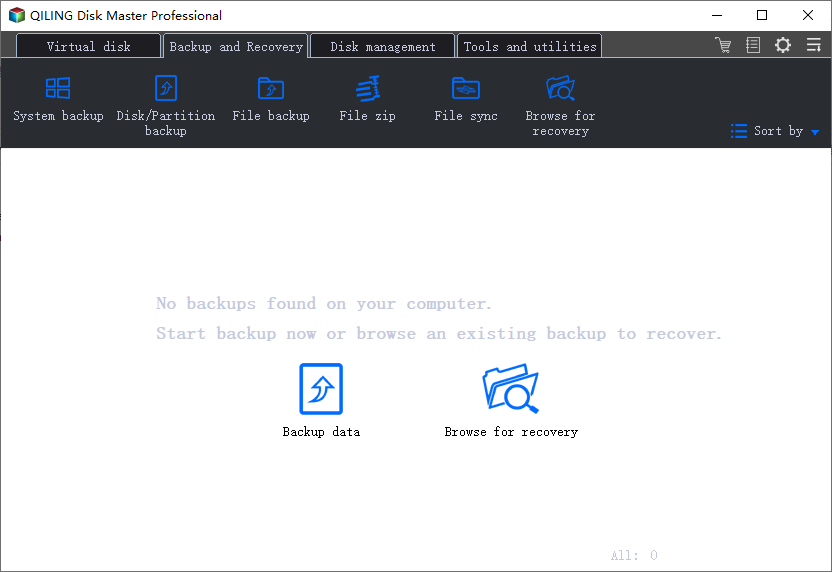
Step 1. To start a backup, click on the "File backup" option on the "Backup and recovery" page, which will initiate the process of backing up your files.
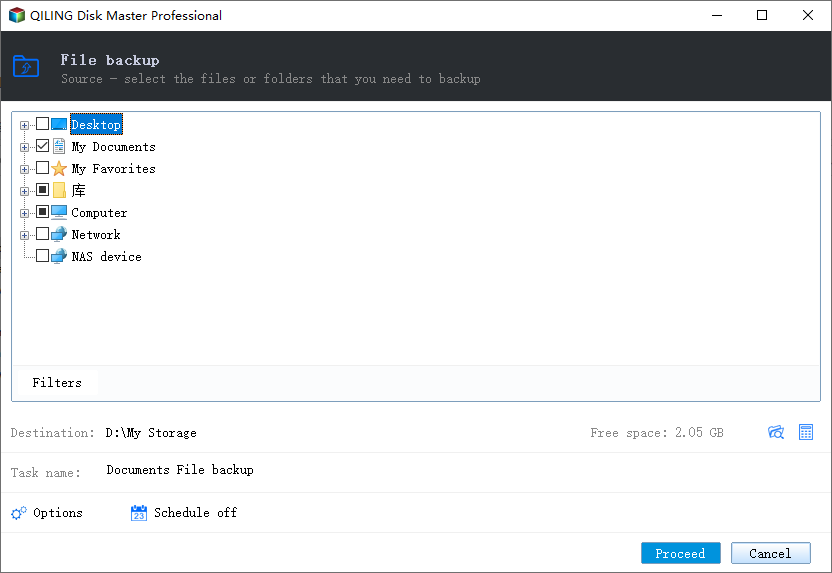
Step 2. On the list view, you'll see a list of local and network files, with files to be backed up selected by expanding the directory.
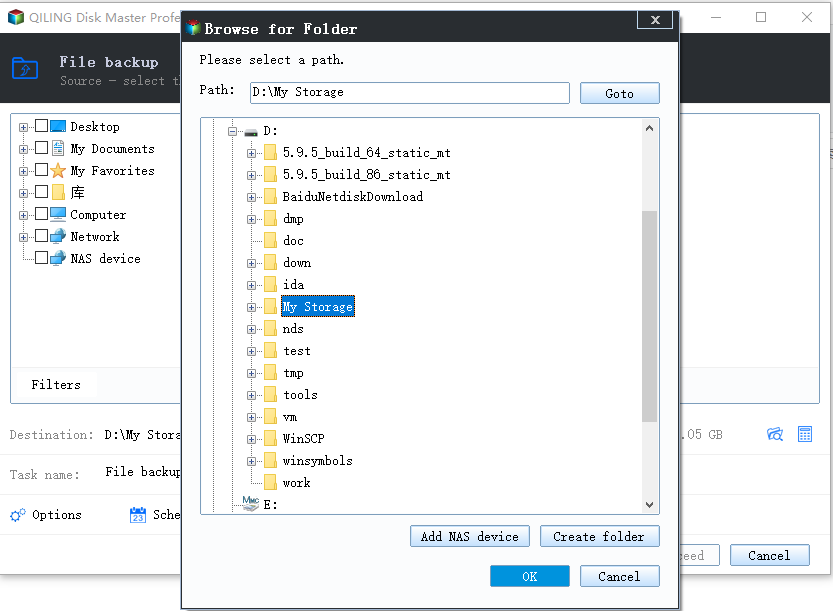
Step 3. Follow the instructions on the screen to select the desired location for the backup.
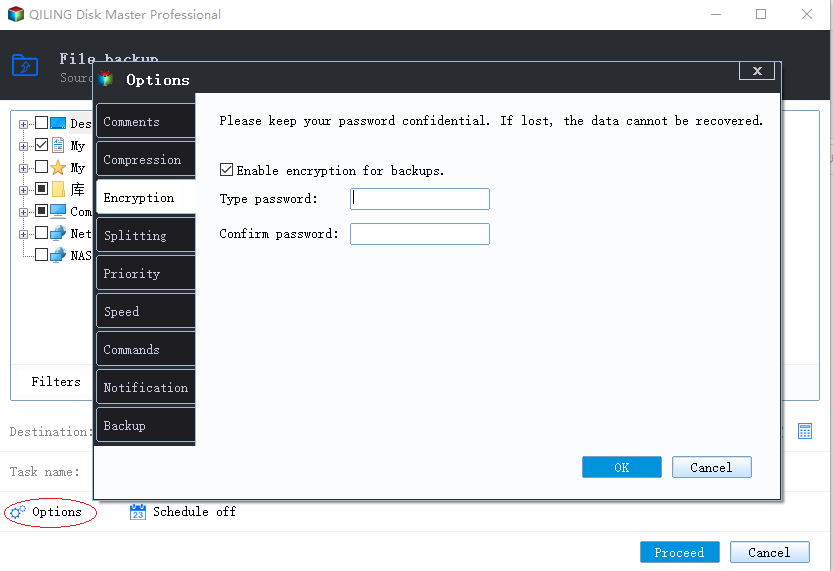
Step 4. In the Backup Options, clicking on Options allows you to encrypt the backup with a password, providing a range of customizable features to tailor the backup operation to your specific needs.
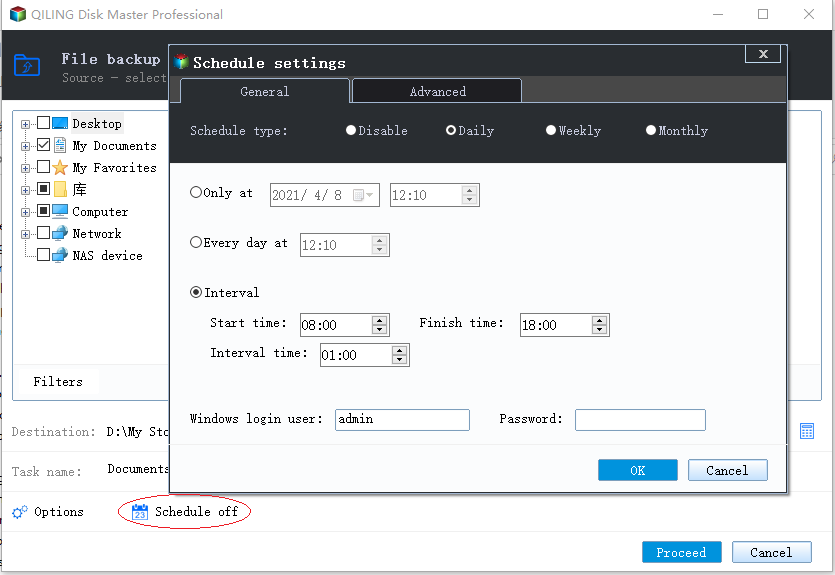
In the Backup Scheme section, you can specify the schedule for automatic backups, including the frequency and time of day. You can also choose to start the backup at a specific event, such as when the computer is idle or when a certain program is closed.
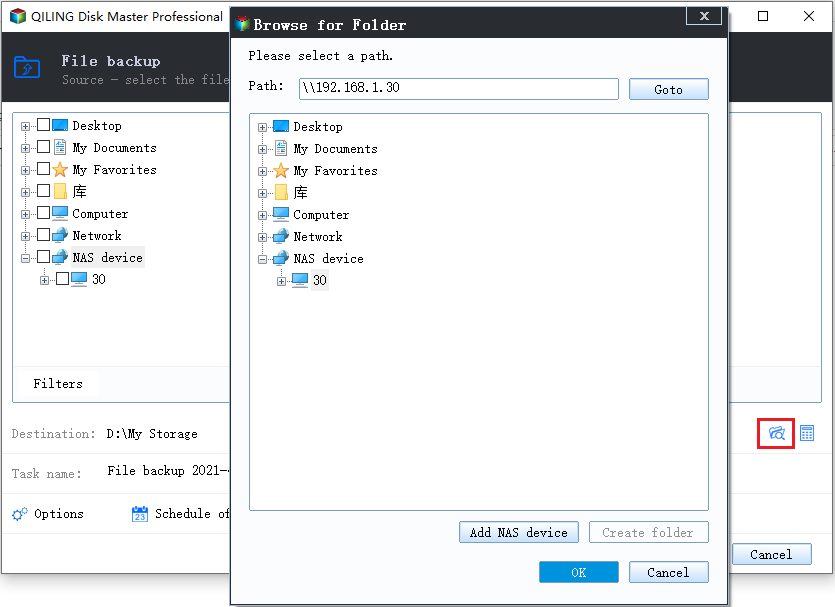
Step 5. Backups can be stored on a local disk, in Qiling's cloud service, or on a network attached storage device (NAS), providing flexibility in data storage options.
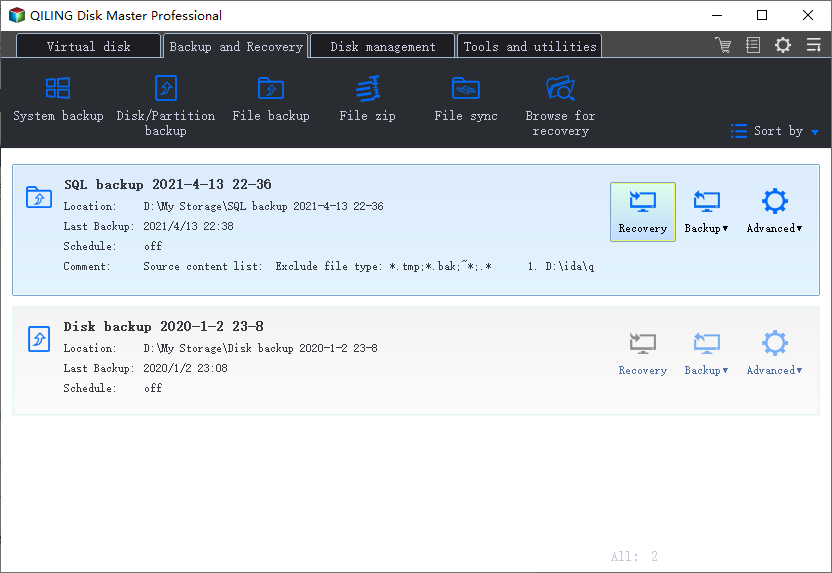
Step 6. To initiate a backup, select the "Proceed" option. Once the backup process is complete, it will be displayed as a card on the left-hand panel. For more detailed management of the backup job, right-click on it.
Google's Backup & Sync software, like other software, can experience issues. This post aims to troubleshoot the problem and provide alternative solutions if the issue persists. (Note: I reformatted the text to be a single paragraph)
Related Articles
- Backup Hard Drive to Cloud [How to] + Feasible Cloud Backup Suggestion
- Simple & Easy: Backup External Hard Drive to Cloud
- Best Restore Point Creator for Windows & How to Use
- 3-Minute Understanding SSD Cache in Windows 10/11: Is It Worth It?
- How to Make an HP BIOS Recovery USB
There are times that you need to update BIOS (short for Basic Input Output System). However, in case to avoid data loss, it's better to back up the data first. Here we will tell you how to make an HP BIOS recovery USB. - How to Make Bootable DVD without Any Software?
Learn how to make a bootable DVD without any software using built-in OS features. This guide walks you through simple methods with step-by-step instructions for creating bootable DVDs easily.
Products
Articles & Tutorials
- Data Recovery
- Data Backup
- File Recovery
- File Backup
- System Backup and Restore
- Disk and Partition Clone
- Technical articles
- Mobile articles
- Disk Master Help
- Windows Data Recovery Tutorials
- Windows Secure Delete Tutorials
- Windows Partition Management Tutorials
- Windows File Backup and Restore Tutorials
- Windows System Backup and Restore Tutorials
- Windows Disk Backup and Restore Tutorials
- Windows Clone Tutorials