How to Backup a File with 3 Free Ways in Windows 11/10/8/7
What Is File Backup?
File backup is the process of copying files or folders from a disk to another storage medium to prevent data loss due to system errors or faults. By backing up files and storing the backup on a separate medium, you can recover your files or even an entire hard drive in case of data loss. This ensures that your important data remains safe and accessible.
Storing a duplicate of backup files on an external storage medium, such as an external drive, USB drive, or cloud storage, is crucial to protect against primary file loss. This additional storage ensures that data is safely preserved even if the primary storage is compromised.
Three Ways to Back up a File on a Computer
Solution 1.Use File Backup Software to Back up Files
Solution 2.Use File History to Back up Files
Solution 3. Back up Fileswith Cloud Drive
Backing up files on your computer is a crucial task that everyone should prioritize, yet many people often neglect to create up-to-date backups. Fortunately, there are several ways to ensure your files and folders are safely backed up.
Solution 1. All Types of File Backup with File Backup Software Free Download
This free backup software is an all-in-one and easy-to-use backup tool that allows you to create backups of various file types, including pictures, videos, documents, and audio.
This free backup tool allows you to create a system backup or disk backup without needing to know how to operate a computer, and can even backup files in safe mode.
- A powerful backup function that allows you to back up everything on your computer, including the operating system, installed applications, files, and partitions.
- This software allows you to create various types of backups, including full, incremental, and differential backups.
- This tool allows for more storage options, enabling users to save backup files in multiple locations, including local drives, NAS devices, a secure zone, and the cloud.
Guide: How to Use Qiling File Backup
To create a file backup, follow these steps: first, identify the file you want to back up; next, determine the backup method you prefer, such as using an external hard drive, cloud storage, or a backup software; then, select the file and choose the backup location; finally, initiate the backup process, and wait for it to complete. This guide provides a straightforward approach to creating file backups, ensuring your important files are safely stored and easily recoverable in case of data loss or system failure.
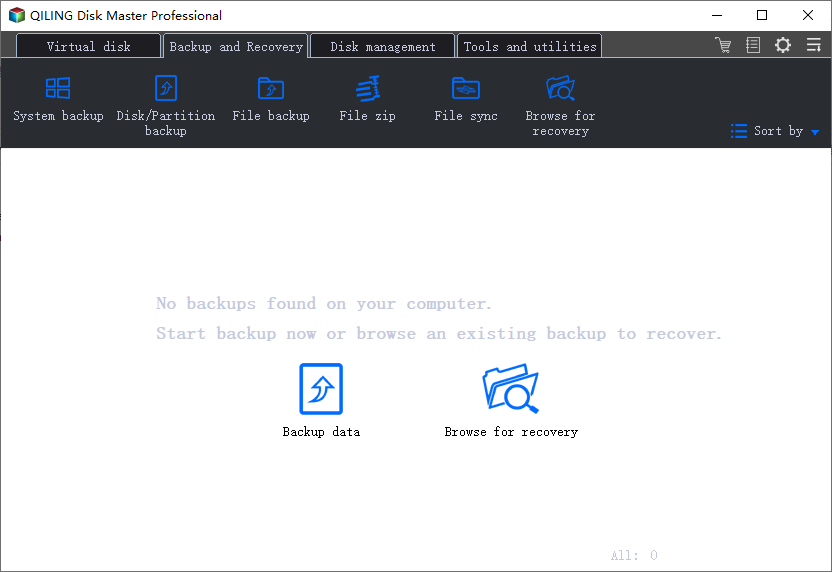
Step 1. Click the "File backup" button to start backup.
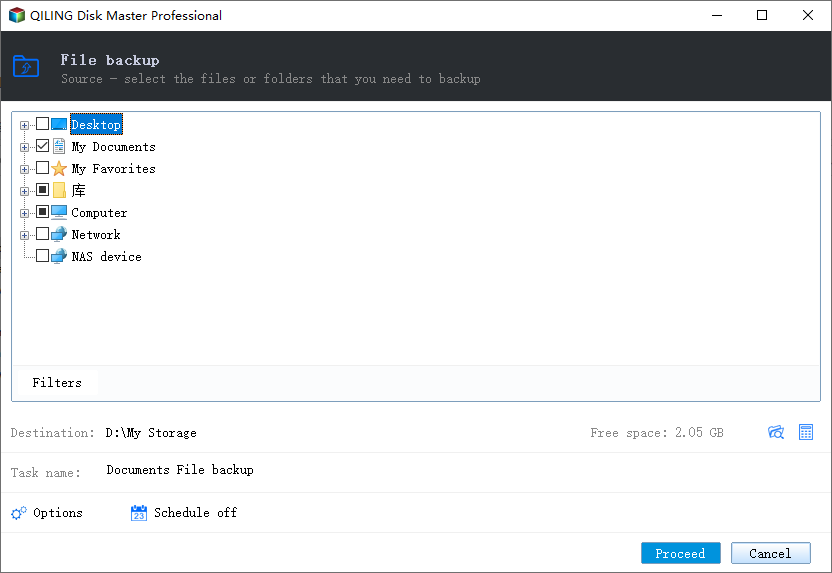
Step 2. Local and network files will be listed on the left, allowing you to expand directories to select files for backup.
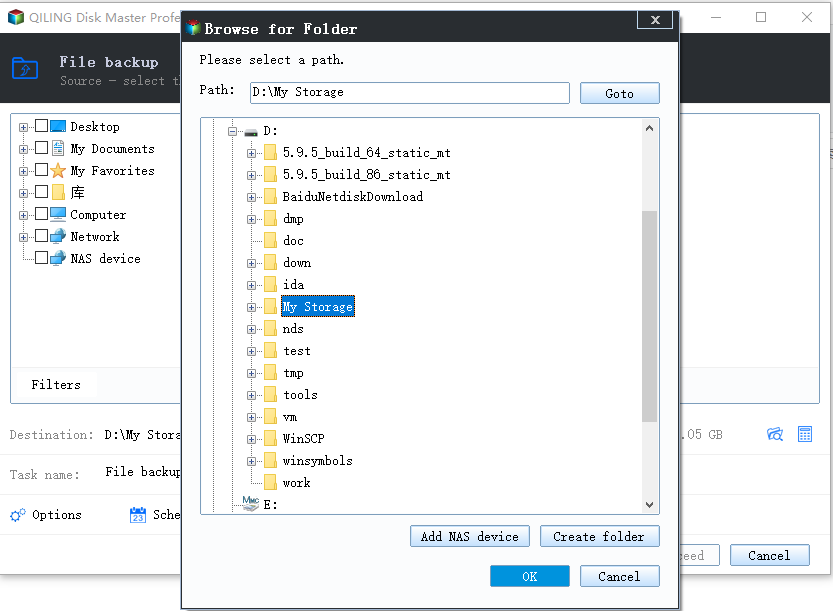
Step 3. Follow the on-screen guide to select the destination where you want to save the backup.
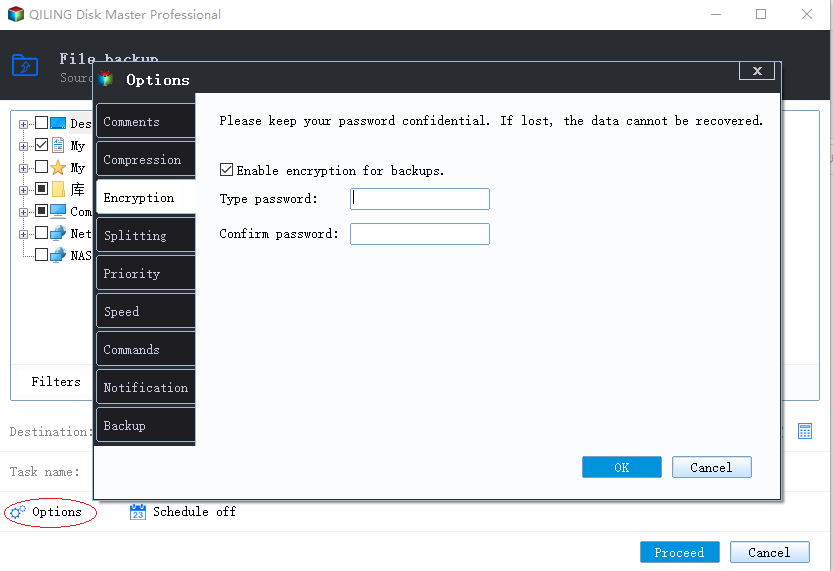
Step 4. To encrypt the backup with a password, click on the "Options" tab and select the "Backup Options" section. From there, you can explore and customize the backup task to suit your needs.
Set the backup schedule and choose to start back up at certain event in "Backup Scheme" to ensure timely and automatic backups of your data.
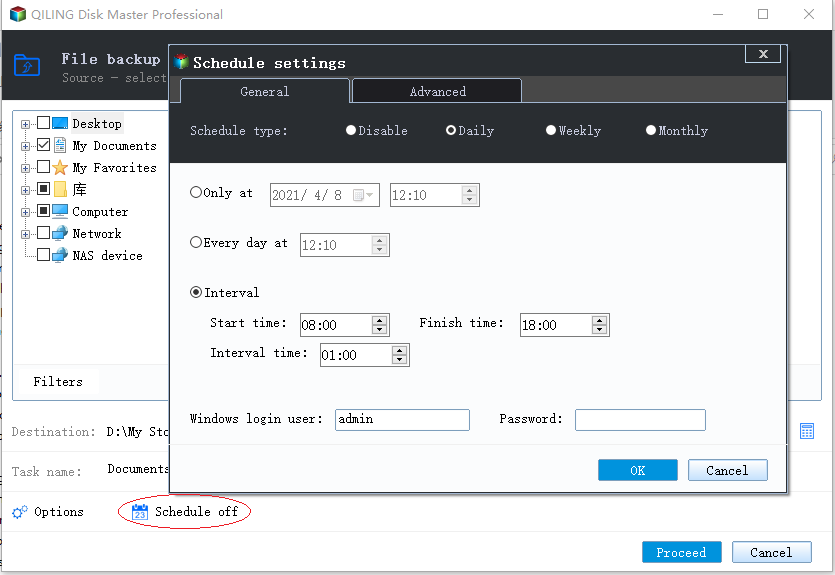
Step 5. You can store the backup to a local drive, Qiling's cloud service, and NAS (Network-Attached Storage) for added convenience and flexibility.
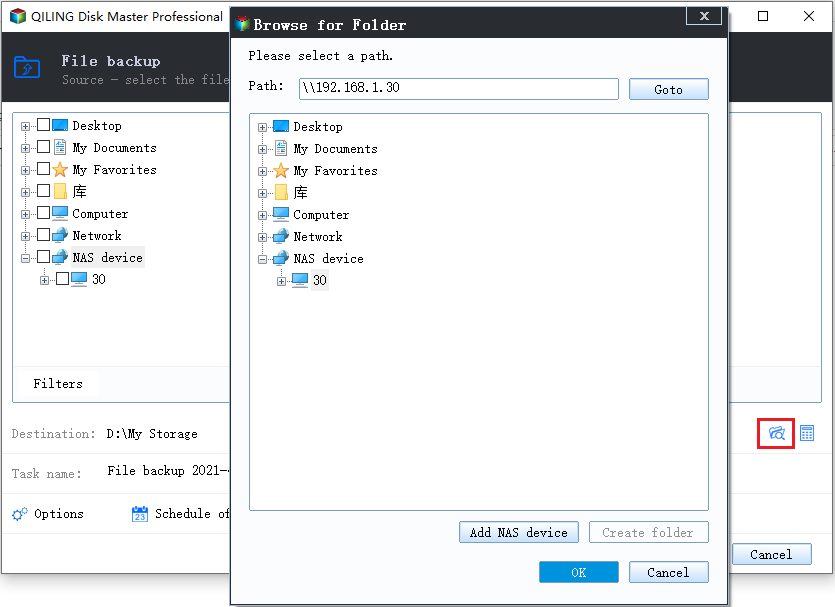
Step 6. Qiling Backup allows users to back up their data to both external cloud drives and its own cloud storage.
To back up data to a third-party cloud drive, select the "Local Drive" option, scroll down to add a "Cloud Device", add and log in to your account.
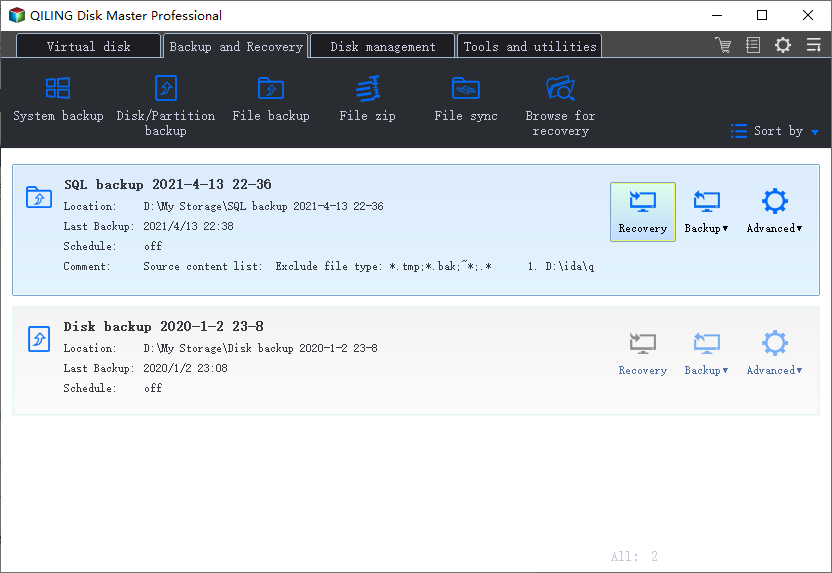
Step 7. Click "Proceed" to start the backup process, which will then be displayed as a card on the left panel. After completion, you can right-click on the backup task to manage it further.
Solution 2. Only Specific File Backup with Windows 8.1/10/11 File History
File History can back up files from documents, music, pictures, videos, and desktop folders, creating a complete history of your files over time. If the originals are lost, damaged, or deleted, you can restore them using this tool. However, it's primarily designed for backing up files on the C drive and specific folders.
To view the file history of a Windows 8 or later system, go to Control Panel, then File History. From there, you can view the backup history and restore files from previous versions. Users of Windows 7 should refer to the Backup and Restore (Windows 7) feature instead.
Guide: How to Use Windows File History
Step 1. Connect an external storage drive to your computer, then go to System > Storage > Advanced storage settings > Backup Options, where you'll see Back up using File History.
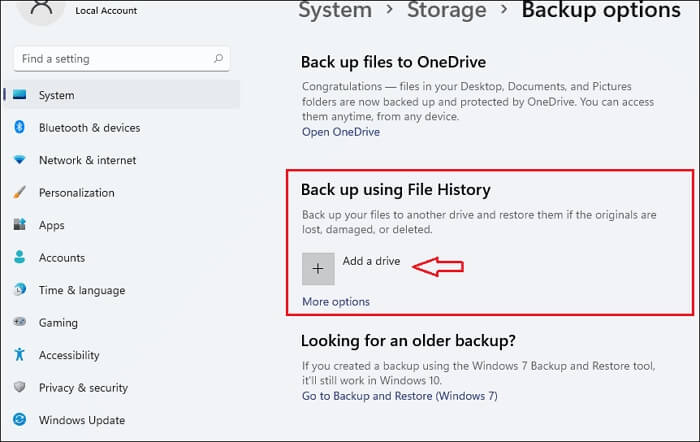
Step 2. Click "on" under "Automatically back up my files".
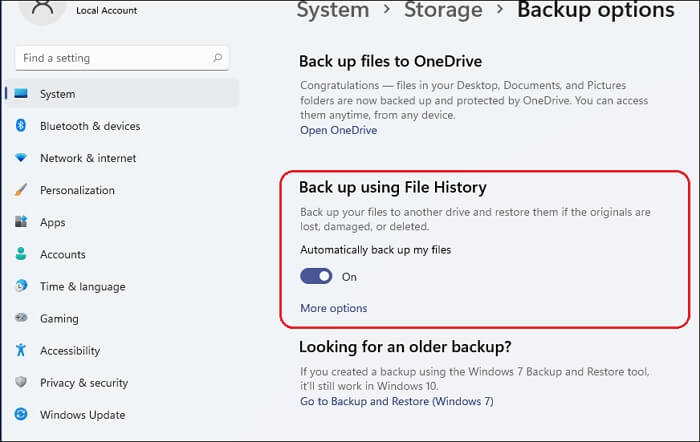
Step 3. Click "More options" to customize the backup needs.
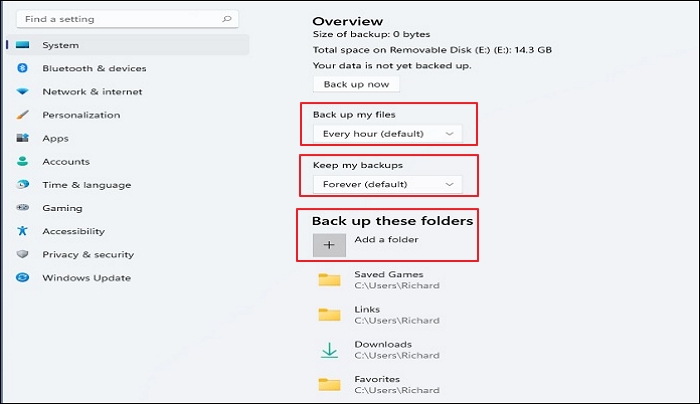
Step 4. Click "back up now" to start the backup process, which will automatically copy your files to the connected storage drive. This allows you to easily access and restore your files in case of any issues.
Solution 3. Back up or Sync Computer Files with Cloud Drive
Cloud backup software has been available for years, but surprisingly, few people use it. With cloud drives, backups are created automatically, and each backup is synced, ensuring that your files are safely stored and accessible from anywhere. This eliminates the risk of hardware failures, as your files are backed up and stored in the cloud, making it easy to access them whenever you need to.
Google Drive, OneDrive, and Dropbox allow you to back up files on your computer, but they are primarily designed for file storage. If you're looking for a cloud backup solution, you may also consider using third-party services to create backups of your files or folders.
You can back up files with OneDrive, which comes with 5 GB of free storage, providing a place to store, share, and sync your files.
Guide: How to Back up Files to OneDrive
To create file backups, start by identifying the files and folders you want to back up. Then, select a storage device or cloud storage service to store your backups, such as an external hard drive, USB drive, or online services like Google Drive or Dropbox.
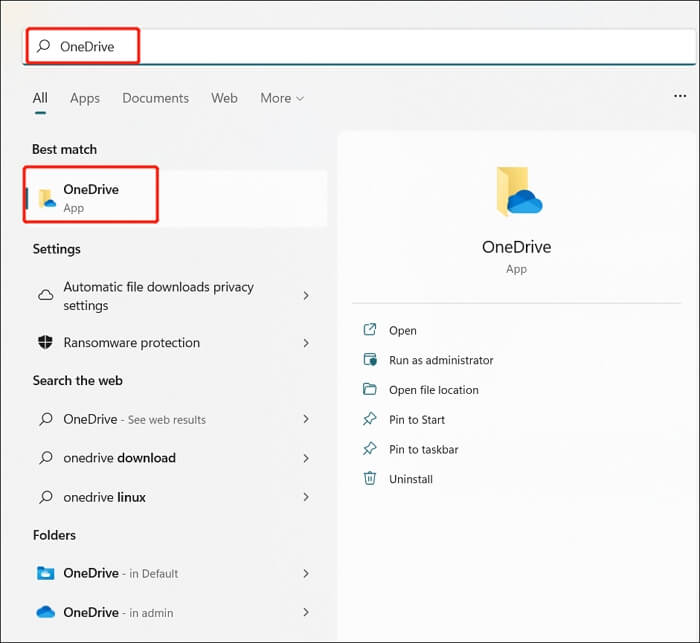
Step 1. In the search box on the taskbar, type OneDrive.
Step 2.If you don't have an account, you can create one, and then sign in to your account.
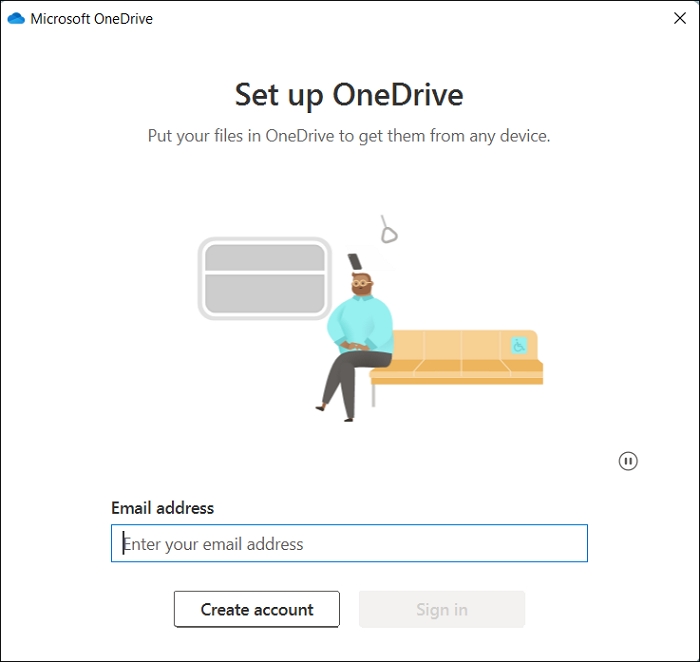
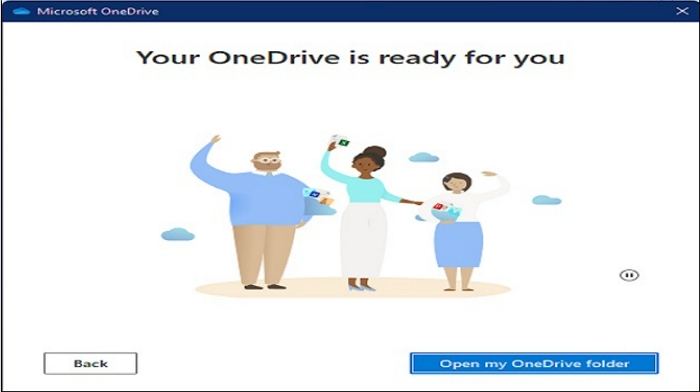
Step 3. After completing all the guides, your OneDrive is now ready for use.
Qiling Backup Free: the Best Way to Create File Backups
With these three backup tools, backing up files on a computer will be simple. Qiling Backup Free stands out among the three, being the backup software we highly recommend.
Qiling Backup Free is a versatile backup tool that can back up files, disks, and partitions, as well as create a backup image of an SSD. What's more, it offers cloud backup capabilities, providing 250 GB of free cloud storage that suits the needs of various users, from home users to free and business users alike.
Qiling Backup Free is an easier alternative to file backup, allowing users to conduct various tasks using this backup tool.
FAQs
What are the benefits of backup?
Keeping your files or data secure is crucial, and maintaining a backup solution with strong security is essential to protect and save your data.
A good backup and recovery software solution can help reduce management costs by minimizing the need for workforce overhead.
The computer's performance is not affected by running a background solution for backups, allowing it to run smoothly.
What is a file system backup?
A complete file system backup includes the entire system directory, backing up all data that resides on the computer.
What is the difference between a file backup and a system backup?
A file backup and system backup are two types of backups that serve different purposes. A file backup is a duplicate of your data that can be used to restore your files after a data loss event, allowing you to recover specific files or folders. On the other hand, a system backup is a process of backing up the operating system, files, and system-specific useful data, which can help restore the entire system in case of a complete data loss.
Related Articles
- 5 Best Free Windows 10 Imaging Software [Updated 2022]
- Backup Options in Windows 10: Which Is The Best Choice?
- How to Backup A Folder in Windows 7 | Step-by-Step Guide
- How to Clone GPT Disk to SSD in Windows Without Boot Failure
- Stop Using Qiling Disk Master Crack, Activate with Official License Code [Latest]
Stop trying Qiling Disk Master crack, keygen, or serial numbers. Free download Qiling Disk Master 6.0 with office license code to transfer system, files, programs, settings between Windows and move local applications between local hard drives. - Best Qiling Disk Master Free Alternative for File, App, and Account Setting Transfer in 2022
Are you looking for a reliable Qiling Disk Master Free alternative tool that helps you migrate files, transfer apps, and even user account settings from PC to PC? This page will explain Qiling Disk Master Free, its Pros and Cons, and the best alternative tools you can rely upon.
Products
Articles & Tutorials
- Data Recovery
- Data Backup
- File Recovery
- File Backup
- System Backup and Restore
- Disk and Partition Clone
- Technical articles
- Mobile articles
- Disk Master Help
- Windows Data Recovery Tutorials
- Windows Secure Delete Tutorials
- Windows Partition Management Tutorials
- Windows File Backup and Restore Tutorials
- Windows System Backup and Restore Tutorials
- Windows Disk Backup and Restore Tutorials
- Windows Clone Tutorials