Windows 11 Widgets: How to Use and Customize the Widget Panel
Widgets is the panel that slides in from the left side of the screen in Windows 11, showing live tiles for weather, news, stocks, sports, traffic, and your calendar. It is designed to give you a quick glance at the information you check often without opening a browser or a separate app.
The panel is easy to open and even easier to customise: you can add widgets, remove the ones you do not need, resize them, and tell the news feed which topics to show more or less of. This guide explains how to open Widgets, manage its contents, personalise the feed, and fix the panel when it will not load.
PAGE CONTENT
- What the Widgets Panel Shows
- Open and Close the Panel
- Add and Remove Widgets
- Resize and Rearrange Widgets
- Personalize the News Feed
- Fix Widgets Not Working
- FAQs About Windows 11 Widgets
- Back Up Windows Before You Change Settings
What the Widgets Panel Shows
The Widgets panel is a vertical feed that combines two kinds of content. At the top you have the widgets themselves, which are small cards for specific topics. Below them runs a personalised news feed with headlines from Microsoft's content partners.
Common widgets include:
- Weather — current conditions, temperature, and a short forecast for your location
- News — a scrollable list of headlines across general topics
- Stocks — watchlist of market tickers with current prices and change
- Sports — scores and schedules for teams and leagues you follow
- Traffic — a mini map showing congestion on your usual routes
- Calendar — your upcoming appointments for the day
- To Do — tasks from Microsoft To Do
Not every widget is available in every region or language, and Microsoft adds and removes options over time. The panel uses your Microsoft account and location where relevant, so the weather and traffic widgets reflect where you are.
Open and Close the Panel
There are several ways to open Widgets, and you can pick whichever fits how you work.
Step 1. Click the Widgets button on the taskbar. It looks like a small panel icon and sits near the Start button by default. If you do not see it, the taskbar setting may be off.
Step 2. Press Windows logo key + W. This opens the panel from anywhere, even while another app is full screen.
Step 3. On a touch screen, swipe in from the left edge of the screen.
Step 4. To close the panel, press Win + W again, click outside the panel, or press Esc.
If the Widgets button is missing from the taskbar, open Settings > Personalization > Taskbar and turn on the Widgets toggle.
Add and Remove Widgets
You are not limited to the widgets Windows shows by default. You can add more from the widget picker and remove the ones you never use.
To add a widget:
Step 1. Open the Widgets panel.
Step 2. Click the Add widgets button, usually shown as a plus icon near the top of the panel.
Step 3. In the widget picker, browse the available widgets. Click Add next to the one you want.
Step 4. Close the picker. The new widget appears in the panel and updates with live data.
To remove a widget:
Step 1. Hover over the widget you want to remove.
Step 2. Click the three dots in the top-right corner of the widget card.
Step 3. Choose Remove widget. The card disappears and the remaining widgets move up to fill the space.
You can add a removed widget back at any time from the picker, so deleting one is not permanent.
Resize and Rearrange Widgets
Widgets come in different sizes, and you can reorder them so the most important ones sit near the top.
To resize a widget:
Step 1. Click the three dots on the widget card.
Step 2. Choose a size from the menu, usually Small, Medium, or Large. Not every widget supports every size.
Step 3. The card resizes immediately, and the panel adjusts the layout around it.
To rearrange widgets:
Step 1. Hover over the widget you want to move.
Step 2. Drag the card up or down to a new position. A guide line shows where it will land.
Step 3. Release the mouse. The widget drops into place and the others reorder around it.
Putting the weather and calendar at the top gives you the information you need first, while news and stocks can sit lower in the panel.
Personalize the News Feed
The news feed below the widgets learns from what you read and lets you tell it which topics matter. A little tuning makes the feed much more useful.
Step 1. Open the Widgets panel and scroll to the news section.
Step 2. Hover over a story and click the three dots that appear. You can choose Show more stories like this or Hide stories like this.
Step 3. To manage your interests, click your profile picture at the top of the panel and choose Personalize your interests. This opens a web page where you can follow or unfollow topics such as technology, business, entertainment, and sports.
Step 4. Refresh the panel. The feed updates to reflect your choices, usually within a few minutes.
Step 5. If you prefer a cleaner panel, you can reduce the number of stories by hiding topics you do not care about. The feed then shows fewer, more relevant headlines.
- Note
- The news feed is powered by Microsoft Start and uses your Microsoft account. Signing in gives you a more personalised feed and syncs your interests across devices.
Fix Widgets Not Working
Most Widgets problems are caused by a disabled taskbar toggle, a sign-in issue, or a stuck process.
The Widgets button is missing from the taskbar.
Step 1. Open Settings > Personalization > Taskbar.
Step 2. Turn on the Widgets toggle. The button returns to the taskbar immediately.
The panel opens but widgets are blank or show an error.
Step 1. Check that you are connected to the internet. Most widgets need to fetch live data.
Step 2. Sign in to your Microsoft account. Some widgets, such as Calendar and To Do, only work when you are signed in.
Step 3. Restart the Widgets process. Open Task Manager, find Widgets in the list, right-click it, and choose End task. The panel restarts automatically the next time you open it.
The news feed does not update.
Step 1. Pull down from the top of the panel to refresh, or close and reopen it.
Step 2. Check your internet connection and try again.
Win + W does not open the panel.
Step 1. Confirm that Widgets is enabled on the taskbar.
Step 2. Restart Windows Explorer from Task Manager if the shortcut still does not respond.
FAQs About Windows 11 Widgets
Can I turn off the news feed and keep only widgets?
You can hide individual stories and reduce the feed, but you cannot remove the news section entirely while keeping the widgets. The panel always shows both.
Do widgets use a lot of battery or data?
Widgets fetch small amounts of data periodically, so the impact is light. On a metered connection, you can reduce refresh frequency by keeping only the widgets you really need.
Why is the weather widget showing the wrong location?
Open the weather widget's settings and confirm the location. It usually uses your device location, but you can set a fixed city if location services are off.
Can I add widgets from third-party apps?
Windows 11 supports third-party widgets in recent versions, but the app developer has to provide one. Check the app's settings or the Microsoft Store for a widget option.
How do I hide the Widgets button from the taskbar?
Go to Settings > Personalization > Taskbar and turn off the Widgets toggle. The panel still opens with Win + W even when the button is hidden.
Back Up Windows Before You Change Settings
Widgets is a low-risk feature, but if you are also changing taskbar layout, account settings, or display options, a system backup gives you a safe rollback point. Qiling Disk Master creates a full image of Windows in a few clicks.
Part 1: Create a Full System Backup
Step 1. Install and open Qiling Disk Master. On the home screen, open "Backup and Recovery" and choose "System Backup". This option automatically includes Windows and the hidden boot partitions, so you do not have to select them one by one.
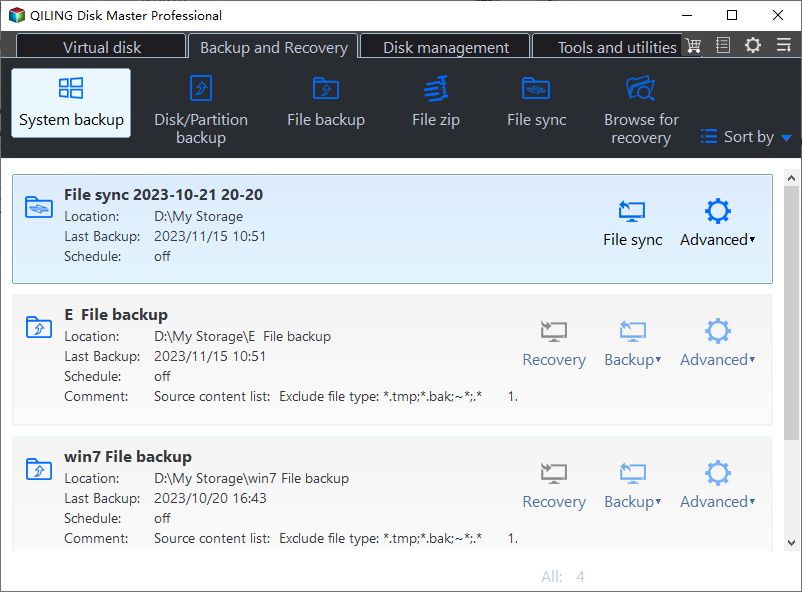
Step 2. Check the source. The disk where Windows is installed and its system partitions are already ticked for you. If you only need your personal documents, run a separate "File Backup" task instead.

Step 3. Click the destination box and choose where the image should be saved. Use an external HDD or SSD, a NAS, or any drive other than the one Windows is installed on, and make sure it has enough free space.
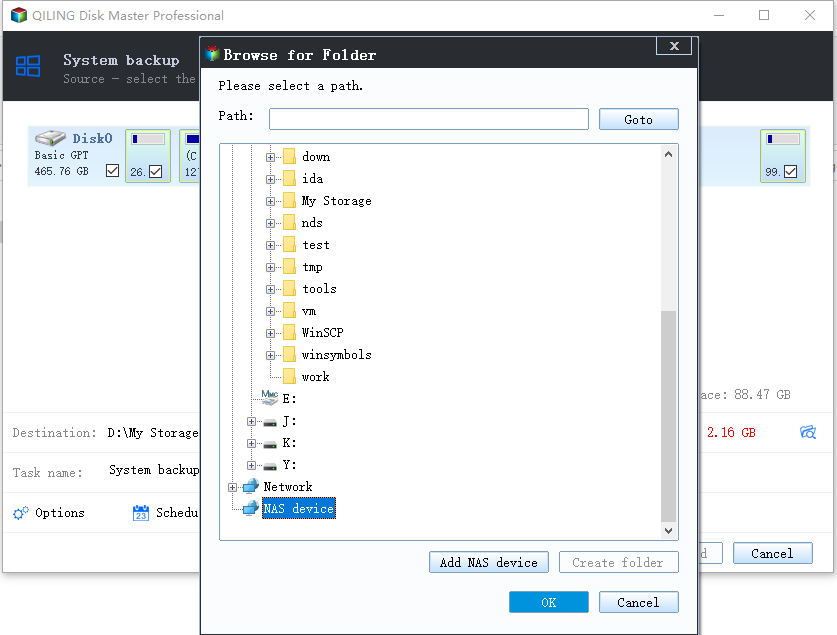
Step 4. Review the task summary and click "Proceed". Wait until the progress bar reaches 100%. Do not unplug the drive or turn off the PC while the backup is running.
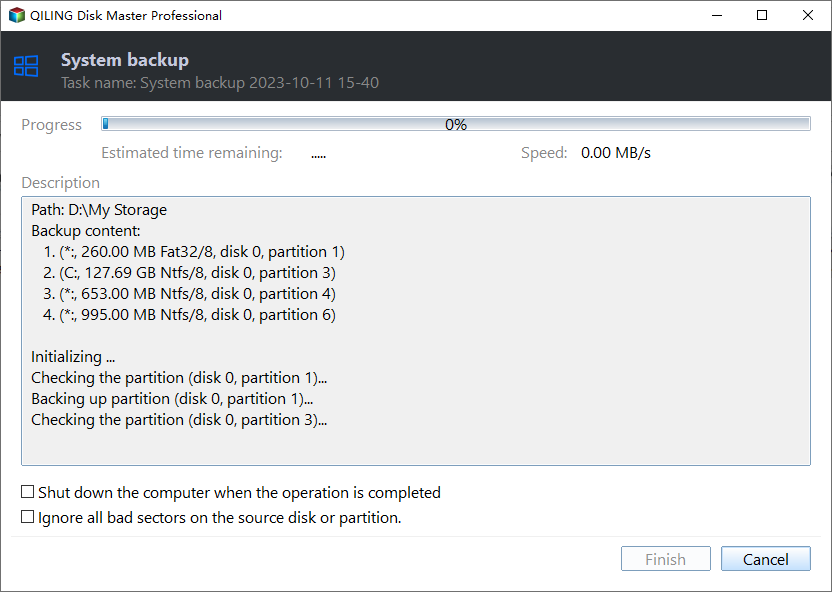
Part 2: Restore Windows from the Backup
Step 1. Open Qiling Disk Master again, go to "Backup and Recovery", and select the recovery option. Your backup images are listed, so pick the one you created before the changes began.
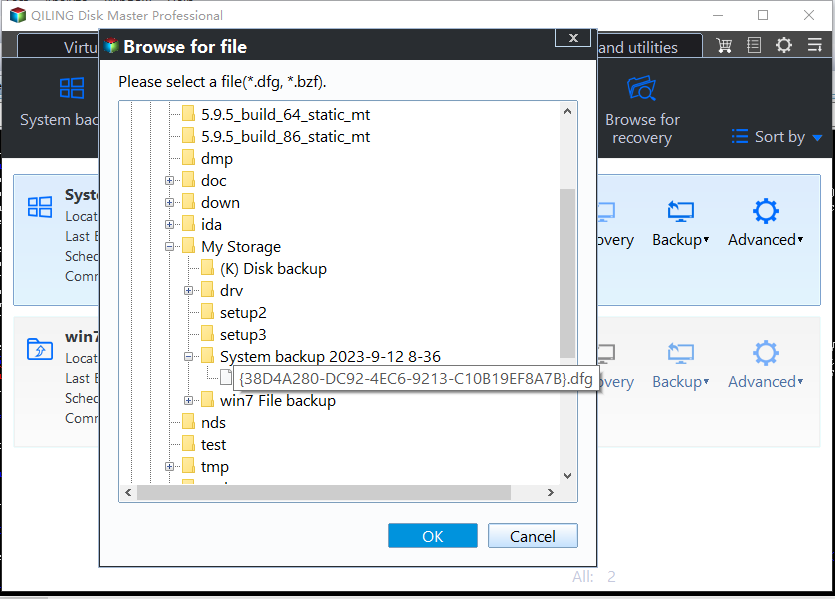
Step 2. Choose the target disk or partition. Normally you restore to the original system disk. If the drive was replaced, select the new disk instead, and the restore rebuilds Windows together with its boot partitions.
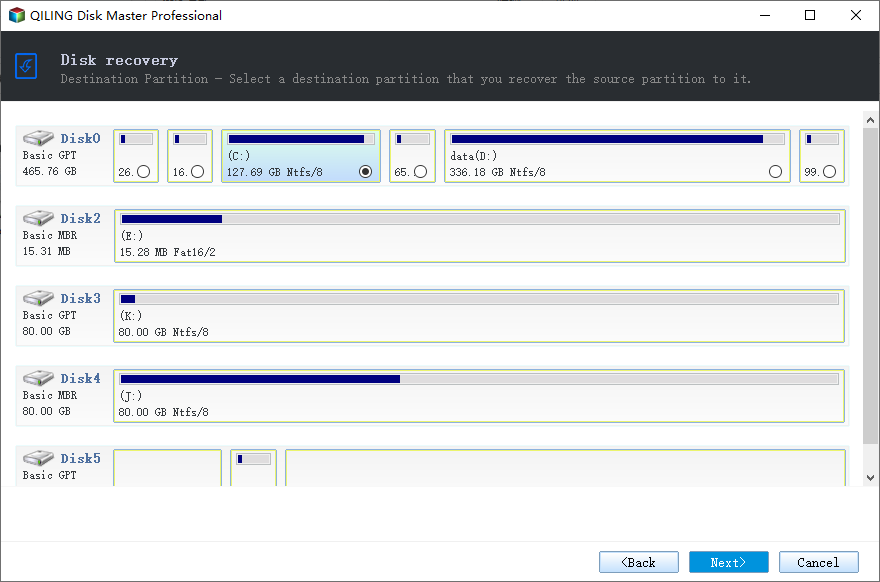
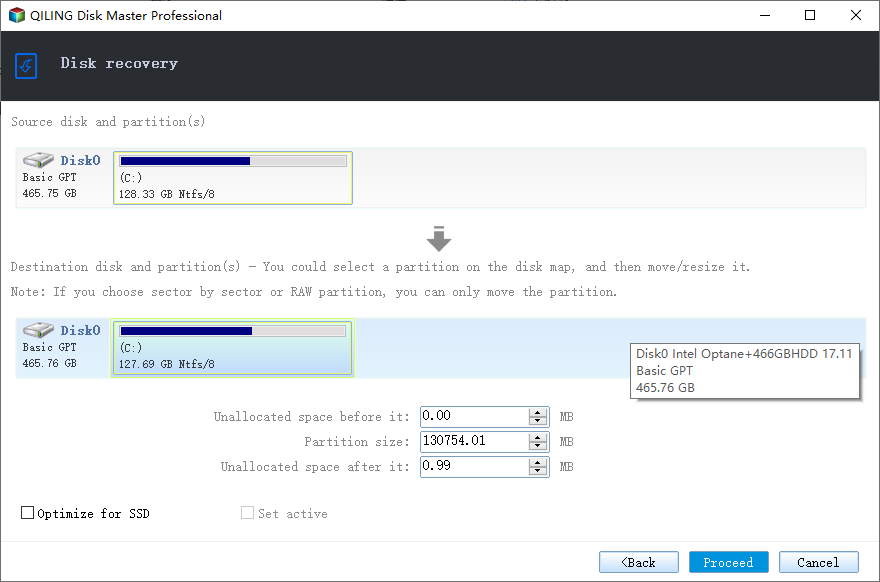
Step 3. Preview the restore plan, click "Proceed", and confirm the warning. The PC restarts to finish the job, and Windows comes back exactly as it was on the day the image was created, with your files and programs intact.
- Note
- Keep the backup image on a separate drive, and refresh it before changing taskbar layout, account settings, or display options.
Conclusion
Widgets puts weather, news, stocks, and other live information one click or keystroke away in Windows 11. Open the panel with the taskbar button or Win + W, add widgets from the picker, resize and reorder them, and tune the news feed by hiding or promoting topics. If the panel is blank, check your internet connection, sign in to your Microsoft account, and restart the Widgets process from Task Manager. The button can be toggled from Settings > Personalization > Taskbar without losing access to the panel.
Protect your PC with Qiling Backup—create a system image before your next round of settings changes.
For more taskbar and personalization tips, see Fix Windows 11 Taskbar Not Working, Fix Windows 11 Start Menu Not Working, Fix Windows 11 Widgets Not Working, Windows 11 Snap Layouts, and Windows 11 God Mode.
Related Articles
- Fix Windows 11 Widgets Not Working (2026 Guide)
If the panel will not open or widgets stay blank, this troubleshooting guide walks through the common fixes. - Fix Windows 11 Taskbar Not Working
The Widgets button lives on the taskbar; if the taskbar itself is broken, start here to restore it. - Fix Windows 11 Start Menu Not Working
- Windows 11 God Mode: How to Create the Master Control Panel
- Windows 11 Guide: Features, Upgrade Tips and What to Know
Products
Articles & Tutorials
- Data Recovery
- Data Backup
- File Recovery
- File Backup
- System Backup and Restore
- Disk and Partition Clone
- Technical articles
- Mobile articles
- Disk Master Help
- Windows Data Recovery Tutorials
- Windows Secure Delete Tutorials
- Windows Partition Management Tutorials
- Windows File Backup and Restore Tutorials
- Windows System Backup and Restore Tutorials
- Windows Disk Backup and Restore Tutorials
- Windows Clone Tutorials