How to Factory Reset Windows 10 [Beginner's Guide]
Factory Reset Overview
As a Windows 10 user, you may have heard of factory resetting, also known as a hard reset or master reset. This process, triggered by a factory reset button, restores your device to its original settings, erasing all settings and applications in the process. If your Windows system is experiencing issues, you can consider a Windows reset or clean install as an alternative solution.
What Exactly Can Factory Reset Help
Factory reset is a useful Windows feature that can be handy in various situations. It can be used to erase personal information when selling a computer, remove viruses when other tools can't be downloaded, and even help with freezing issues.
To perform a factory reset, you'll need to prepare beforehand. We'll provide two methods for doing so, and there are some steps you'll need to take first.
Preparations for Factory Reset on Windows 10
Factory resetting can erase data, but it also poses a risk of losing essential information if Windows 10 fails to reset. To avoid regret, consider backing up data with professional backup software before proceeding.
If the process stops unexpectedly, follow this guide to fix a failed or stuck Windows 10 reset. Back up important files before trying the reset again whenever Windows is still accessible.
Support Windows 11/10/8/7
Step 1. On the main page, click "Backup and recovery" tab page.
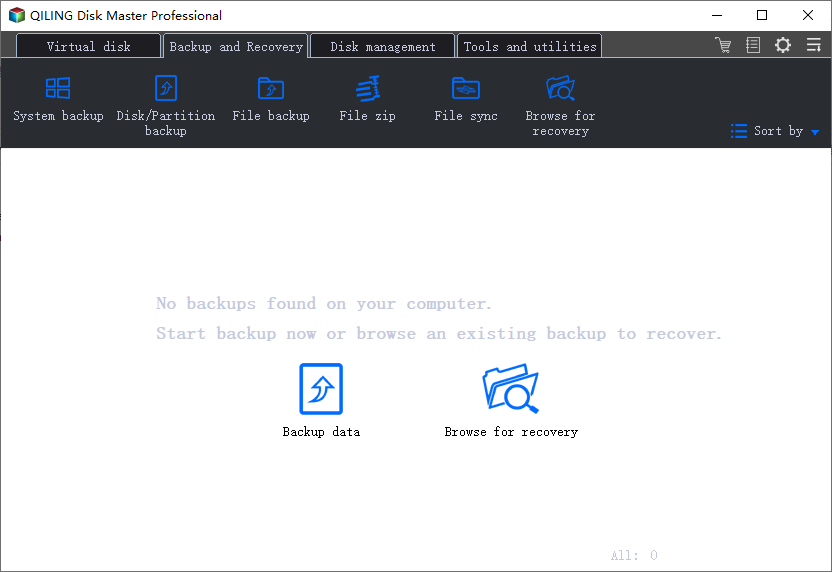
Step 2. Among the four available categories, click System backup.
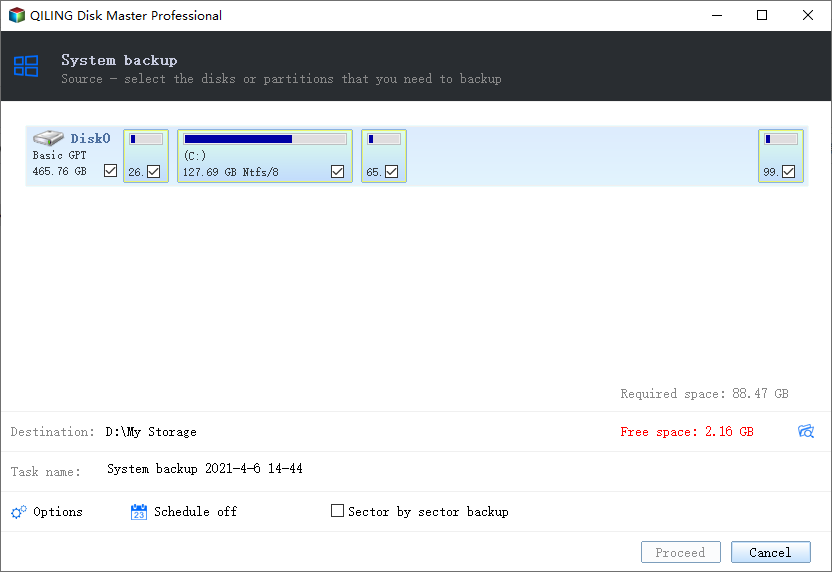
Step 3. Qiling Backup will automatically select your system partition, and you only need to choose a backup destination.
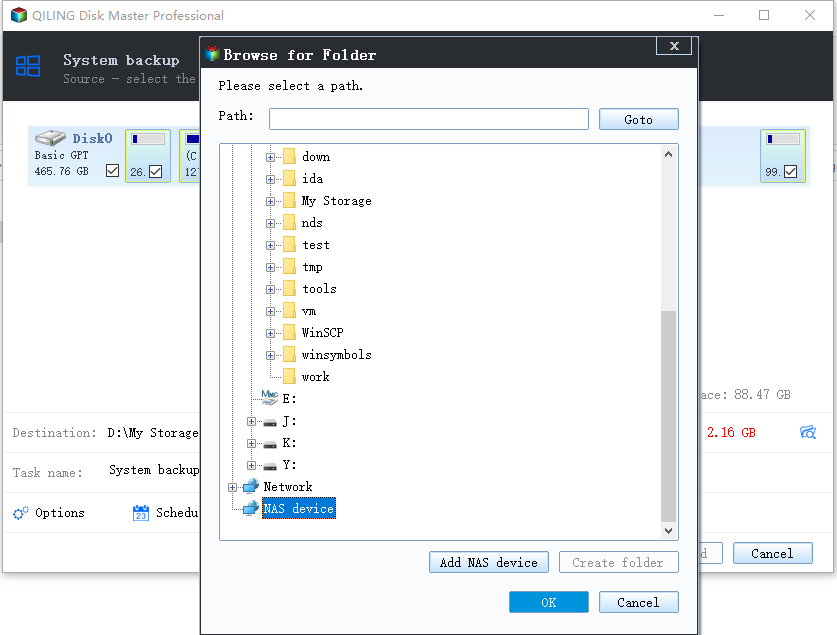
Step 4. Local Drive and NAS are both options for saving backup files, allowing users to choose the most convenient location for their data storage.
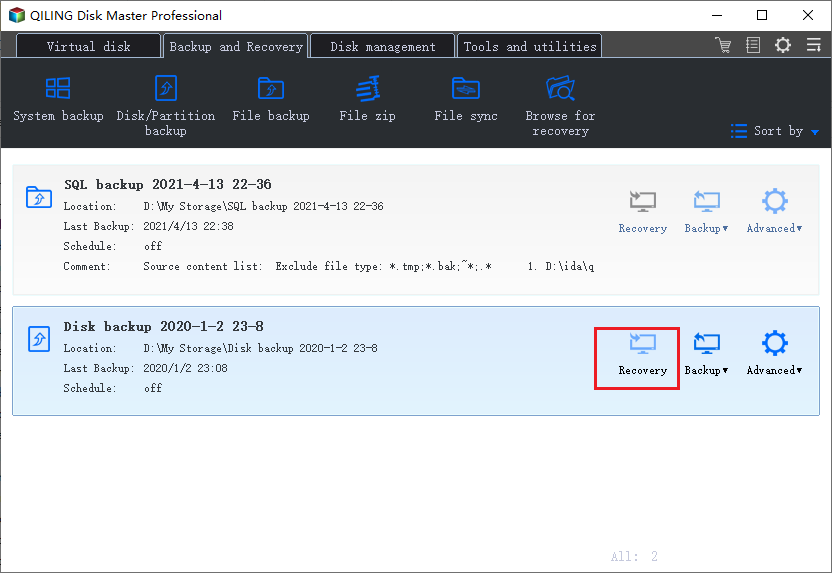
Step 5. After completing the backup process, you can verify the backup's status, restore, open, or remove the backup by right-clicking on the backup task on the left.
How to Factory Reset in Windows 10 Computer in 2 Ways
To perform a factory reset on Windows 10, you can either find the factory reset button in the Windows menu if your computer can be turned on successfully, or try the second method if you forget the password and cannot start your Windows 10.
Factory Reset Windows 10 in Normal Way
Now follow the steps to reset with the first method.
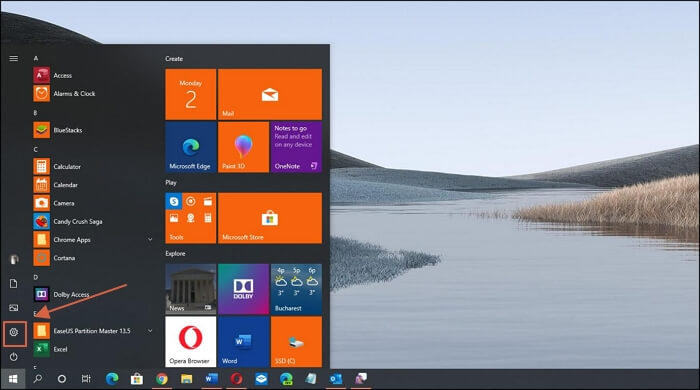
Step 1. Select the settings after clicking the start menu.
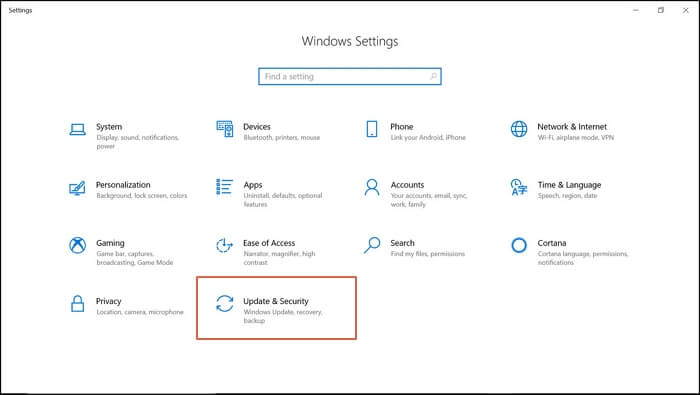
Step 2. Then choose "Updates & Security".
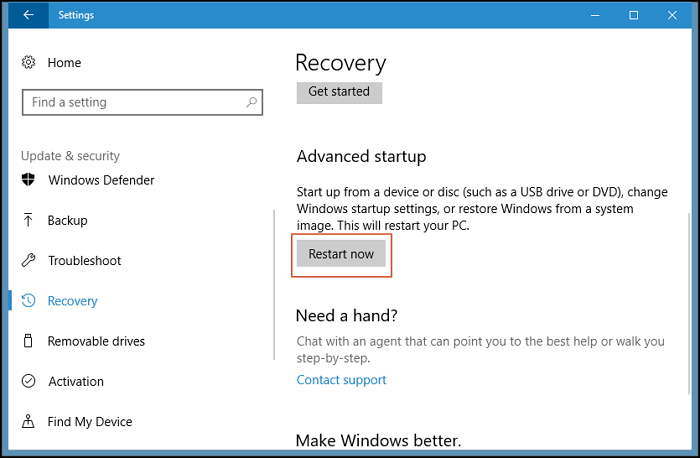
Step 3. Click "Recovery" to find the restart button.
Step 4. Click "Get Started" to begin.
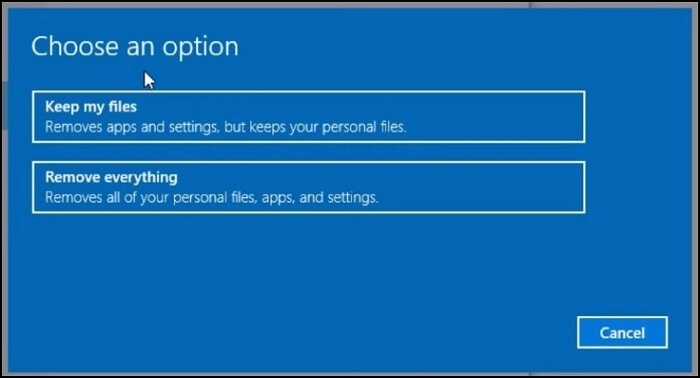
Step 5. Before starting the reset process, you can choose to either remove or keep your files, depending on your preference.
Step 6. Confirming the reset by clicking "Reset".
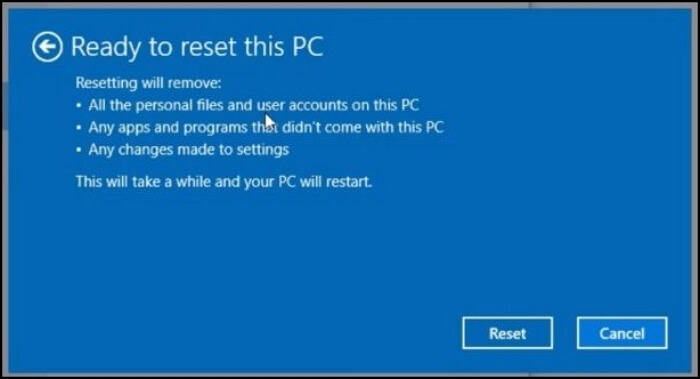
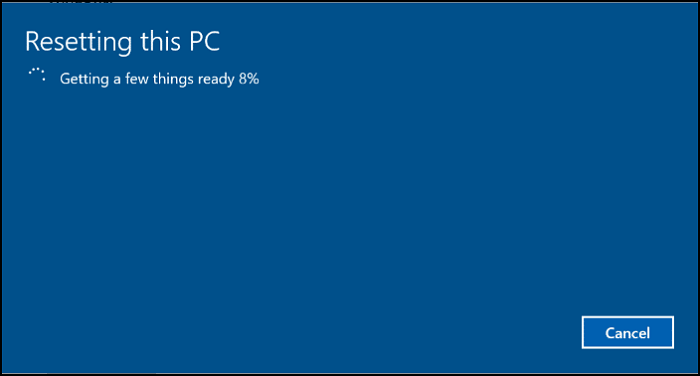
Step 7. The factory reset process can take anywhere from 30 minutes to 4 hours to complete, depending on the device's specifications and the amount of data being erased.
Factory Reset Windows 10 Without Logging In
To reset your Windows 10 without a password, you can follow these steps: sign in to your Microsoft account, go to the Windows Settings, then select "Accounts" and click on "Sign in with a Microsoft account instead". Now, click on "Manage my Microsoft account" and select "Security" to reset your password. If you're unable to reset your password, you can use the built-in "Reset this PC" feature in Windows 10.
If you forget your Windows 10 password, don't worry, we have a solution. In addition to the password reset option, you can also hard reset Windows 10. We'll guide you through the complete steps to do so.
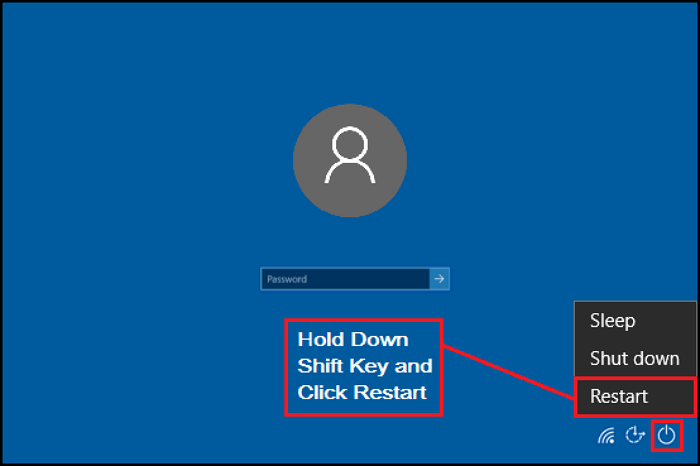
Step 1. To enter the Windows 10 log-in interface, hold the shift button and click "Restart" while booting up your computer. This will allow you to access the Windows Recovery Environment, which can help resolve issues with your operating system.
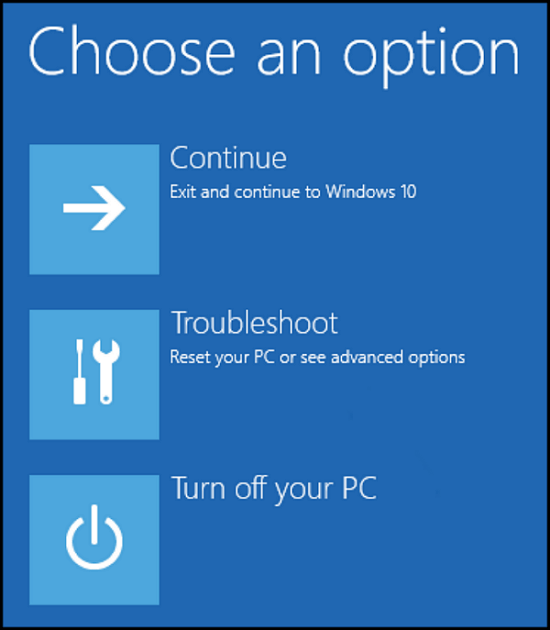
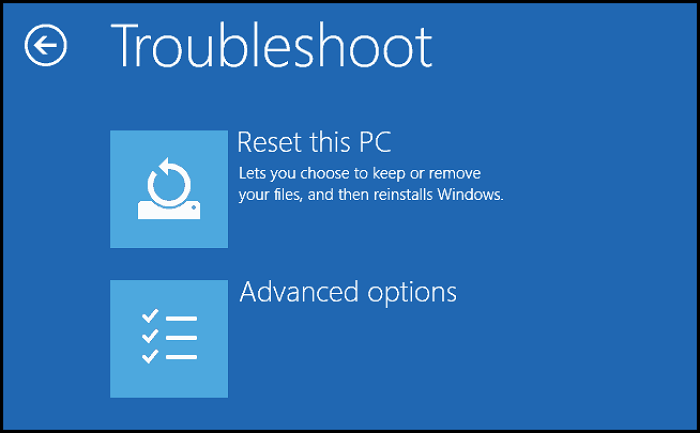
Step 2. The computer will restart, and you will be prompted to choose an option. Select "Troubleshoot".
Step 3. Click "Reset this PC".
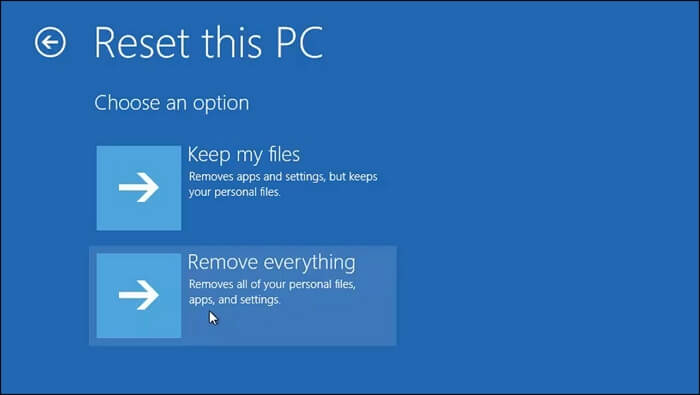
Step 4. Choose to keep or remove the files, and click "Continue".
Final words
If you have backed up your files with Qiling Backup, recovering them after a Windows 10 reset is a straightforward process.
Factory resetting a computer is a useful feature when selling or giving it away, as it securely erases personal information. However, overusing this feature can have negative effects, such as reducing device memory and shortening battery life. It's essential to use factory resetting wisely and correctly to avoid these consequences.
Factory Reset Windows 10 FAQs
To factory reset Windows 10, go to Settings > Update & Security > Recovery, and select "Get started" under Reset this PC. You can choose to keep your files or remove everything. If you're using a Microsoft account, you'll be signed out and all your apps will be uninstalled.
Will factory resetting Windows 10 delete everything?
If you're concerned about losing important data, you can choose to keep files or remove everything. Alternatively, you can use Qiling Backup to back up your disks and ensure your data is safe.
- 1. Start Qiling Backup and create a new backup.
- 2. Select backup contents and choose "Disk".
- 3. Click "OK" after choosing the disks you need to back up.
- 4. Choose the target device.
- 5. Choose "Proceed" to start.
How long does a full PC Reset take?
The process of erasing a computer's contents can take anywhere from 30 minutes to 4 hours, depending on the amount of data to be erased, with the time increasing if the goal is to completely wipe the device rather than just deleting files.
How do I get my apps back after resetting Windows 10?
To prepare for a factory reset, it's a good idea to back up your apps using backup software, specifically Qiling Backup, to ensure your data and apps are preserved.
- 1. Start Qiling Backup and create a new backup.
- 2. Select backup contents and choose "Disk".
- 3. Click "OK" after choosing the disks you need to back up.
- 4. Choose the target device.
- 5. Choose "Proceed" to start.
Related Articles
- What Is the Latest Version of macOS Until 2022 [Ventura]
- How to Fix Smart Failure Predicted on Hard Disk 0, 2, 4
- Step-by-Step Guide to Backup Drivers Windows 10 [Powerful Solutions]
- [Fixed] The File Is Corrupted and Cannot Be Opened in Excel/Word
- 4 Solutions | Fix Bootable USB Not Working in Windows 10/8/7
If your Windows bootable USB is not working on your PC. This page will help you identify the causes and provide effective methods to fix the issue. - What Is Bootrec.exe? Everything You Need to Know About This Tool
What is Bootrec.exe? Learn how to run Bootrec.exe on Windows 10 and use its commands like fixmbr, fixboot, scanos, and rebuildbcd to repair startup issues.
Products
Articles & Tutorials
- Data Recovery
- Data Backup
- File Recovery
- File Backup
- System Backup and Restore
- Disk and Partition Clone
- Technical articles
- Mobile articles
- Disk Master Help
- Windows Data Recovery Tutorials
- Windows Secure Delete Tutorials
- Windows Partition Management Tutorials
- Windows File Backup and Restore Tutorials
- Windows System Backup and Restore Tutorials
- Windows Disk Backup and Restore Tutorials
- Windows Clone Tutorials