How Do I Format an SD Card in Linux? [2023100% Working Solution]
To format an SD card in Linux, users can follow a simple step-by-step guide. First, they need to plug in the SD card into their computer and identify it using the `lsblk` command. Next, they can use the `fdisk` command to partition the SD card, creating a new partition table. Then, they can use the `mkfs` command to format the SD card with a file system such as ext4. Finally, they can mount the SD card to the computer using the `mount` command, making it accessible for data storage.
As an individual, it's crucial to understand the correct approach to formatting an SD card, as misuse can lead to disastrous results despite their importance being limited to storing data only.
Why You Might Need to Format an SD Card in Linux
Formatting an SD card before transferring data to it is a good technique because it ensures that the card is free from any existing data, viruses, or malware that may be present on the card. This process also helps to erase any residual data that may have been left behind from previous uses, making it a clean slate for new data. Additionally, formatting the SD card can help to improve its performance and speed, as it can help to remove any corrupted or fragmented files that may be slowing it down. Overall, formatting an SD card before transferring data to it is a good practice that can help to ensure the integrity and security of the data being transferred.
- Formatting an SD card makes it compatible with the underlying system, allowing it to be used across the system, and changing the file system ensures it can be used with the media system.
- Storage devices can be easily infected with viruses and malware, prompting warnings or pop-ups when accessed. To resolve this issue, formatting the device is a viable solution, as it effectively gets rid of all viruses and malware, renewing everything and making the SD card operational again.
- Formatting an SD card may not always be necessary due to the presence of data, as it may have been used for other purposes across different systems. In such cases, the most effective way to delete all data from the SD card is by formatting it.
- When starting a new work on a computer, it's generally recommended to format the SD card to ensure the system is in a clean state and free from any potential conflicts or issues. This allows for a fresh start and can help prevent problems down the line.
Various file systems co-exist across systems, including those on USB drives and secondary storage devices. Common system formats used by different users in various conditions include FAT, NTFS, HFS, and APFS. These file systems are used in different operating systems and devices, and users often need to navigate between them to access and transfer files.
- NTFS: The New Technology File System (NTFS) is a common file system for Windows computers that supports large files and offers features such as hibernation and encryption.
- FAT32: FAT32 is an older file system that has been around since the time of small floppy disks, but its high compatibility with multiple devices and operating systems makes it a consistent option for file systems.
- exFAT: Microsoft introduced the Extensible File Allocation Table (FAT) file system in 2006, which was a significant improvement over FAT32. Despite its efficiency, it has limitations in compatibility with various devices.
- EXT: Linux operating systems use the EXT (Extended File System) file system, which provides better security and performance for users, with EXT2/3/4 being popular variants. However, this file system is not compatible with Windows and macOS systems.
Which File System is the Best for Linux Operating System?
The EXT 2/3/4 file system is the best for Linux, offering enhanced security and performance, making it the top choice for formatting an SD card across Linux.
How to Format an SD Card in Linux
We will discuss how to format an SD card for Linux using the perfect technique. Before proceeding, we will cover important points to ensure a successful process. These include:
- To guarantee that all data on the SD card is safely backed up without any issues, ensure that the backup process is thoroughly completed with no abnormalities.
- Your computer needs to be properly charged or plugged into a power source if it's a laptop, or it should be plugged into a power source if it's a desktop.
- The SD card being used should be in a physically undamaged state, as any damage to it may cause complications.
With the prerequisites covered, you can easily move into the simple and effective methods used to format an SD card for Linux. The process involves using the `mkfs.ext4` command to create a new file system on the SD card, followed by mounting the file system to make it accessible.
Method 1: Format SD Card in Linux Using Disk Utility
Step 1. Insert Card and Open Disk Utility
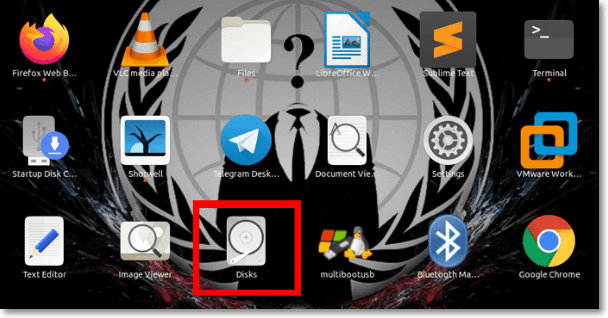
Insert the SD card into your Linux system and ensure it is listed across the drives in the file manager. Then, launch the "Disk Utility" from the Applications menu in the system.
Step 2. Approach Settings of SD Card Across Disk Utility
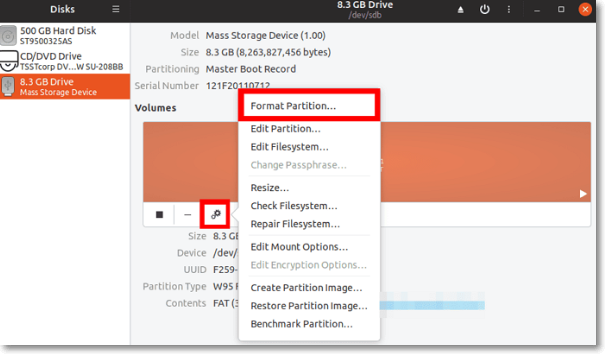
Select the SD card from the left panel, click the "Gear" icon to open the Settings menu, and then select "Format Partition…" to initiate the formatting process.
Step 3. Define the Parameters for Formatting the SD Card
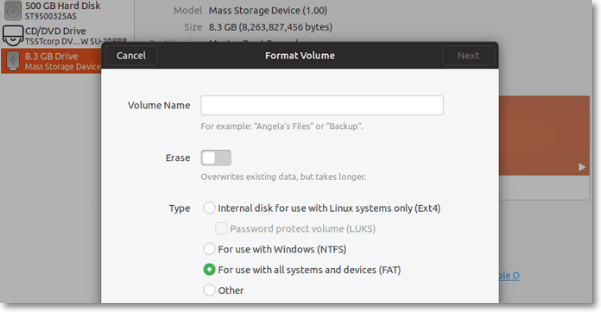
To format the SD card, you'll be taken to a new window where you can choose from several formatting options. Set a "Volume Name" to give the SD card a label. Then, toggle the "Erase" option to delete all data on the card. Next, select the file system from the available options and tap "Next" to proceed.
Step 4. Confirm Formatting and Execute
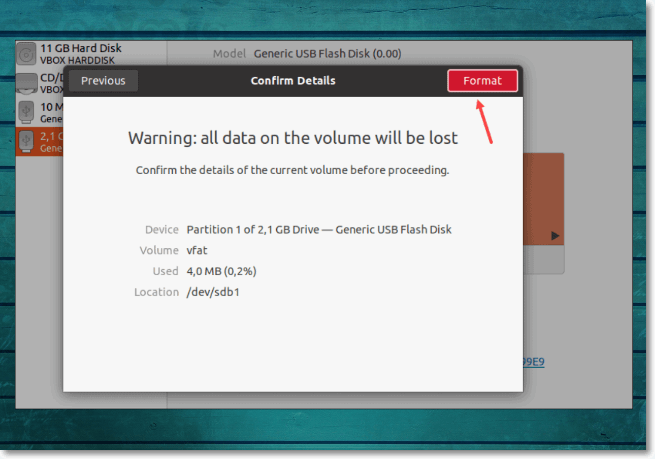
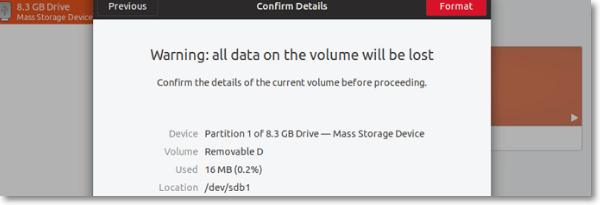
Click on "Format" to confirm the formatting of the SD card. This will erase all data on the card and prepare it for new data. Be sure to select the correct drive letter for the SD card in the "Device" field.
Method 2: Format SD Card in Linux Using Terminal
Step 1. Launch Terminal and Identify Drive
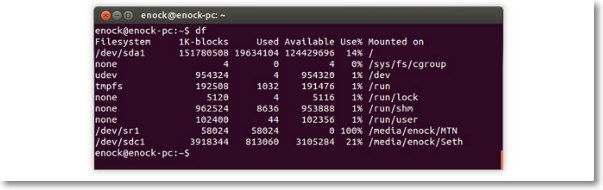
To connect an SD card to a Linux operating system, lead to the "Terminal" app across the Applications menu, and use one of the following commands to identify the drive that needs to be formatted: `lsblk`, `fdisk -l`, or `parted -l`. This allows you to determine the drive's device name, which is necessary for the formatting process. Once the drive is identified, you can use the `mkfs` command to format it with a file system, such as `mkfs.ext4` for an ext4 file system.
sudo df
sudo df -h
sudo fdisk -l
Identifying and selecting the right drive is very important for executing the task, as it directly affects the outcome and efficiency of the operation.
Step 2. Unmount SD Card If Required
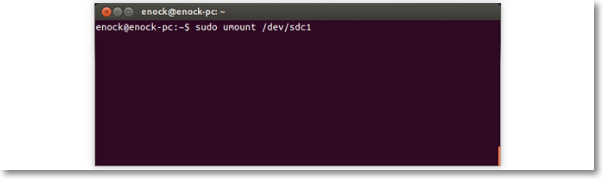
To unmount your SD card, you'll need to use the command line across the Terminal. First, you'll need to unmount the SD card if it's currently mounted. This can be done by using the command `umount /dev/sdX`, where `/dev/sdX` is the path to your SD card.
sudo unmount
Step 3. Format the SD Card Under Any Appropriate File System
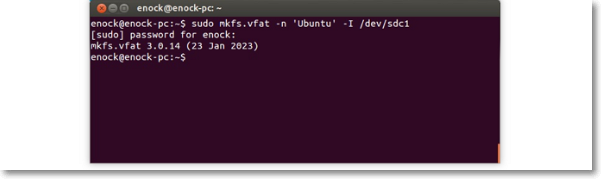
To format a drive in a Linux system, you can use the `mkfs` command, which stands for "make file system." The command format is `mkfs -t
For vFAT:
sudo mkfs.vfat /
For NTFS:
sudo mkfs.ntfs /
For EXT4:
sudo mkfs.ext4 /
Conclusion
We hope you found our tutorial on formatting an SD Card for Linux helpful. With the right methods, you can ensure a smooth experience with your SD card, avoiding issues like corruption and problems. If you have any suggestions or liked our content, please share it with others.
FAQ of Formatting SD Cards in Linux
1. Can I format SD Card to FAT32 on Linux?
Formatting an SD card to FAT32 in Linux is a straightforward process that can be easily accomplished using the GNOME Disk Utility application, making it a convenient option for users.
2. How do I format a memory card in Ubuntu?
If you seek to format a memory card in Ubuntu, you can follow the steps provided in the methods above. The process of formatting an SD card is the same for Ubuntu, and the steps can be used to format a memory card.
3. How do I format Linux SD Card in Windows 10?
- To format an SD card with Linux partitions on a Windows 10 computer, first, you need to download and install a third-party tool like Qiling Partition Master or MiniTool Partition Wizard. Then, create a bootable USB drive with a Linux live image.
- To open the Diskpart program on Windows, press the "Windows + R" shortcut key to open the Run program, then type in "diskpart" and press Enter to open it in a new window.
- To identify the correct disk, type "list disk" in the utility screen, followed by a check to ensure you're selecting the right one.
- To select the SD card and clean it, type "select disk #" followed by "clean" in the command prompt.
- To create a bootable SD Card, first, use the command "dd" to copy the boot sector from the computer's hard drive to the SD Card. Then, use the command "create partition primary" to create a primary partition on the SD Card.
- If the SD Card window does not open for use, you can use the "Assign" command to process it.
Related Articles
- How to Stop Finder Action on Mac in 5 Ways | MacBook Air/Pro/iMac
- How to Fix Nikon 'This Memory Card Cannot Be Used' Error
- Bash Profile on Mac - One Post for All Information
- (Solved!) How to Backup Gmail Emails with Attachments for Windows 11/10/8/7
- 2022 Official Ways to Find Camtasia License Key: How to Find Camtasia Product Key
How to find Camtasia license key? Once you've to reinstall Camtasia to another device or occasionally format the existing partition or disk. this article can teach you how to find Camtasia product key. - How to Find CCleaner Product Key on Windows 11 (2 Easy Ways)
If you've misplaced your CCleaner Pro product key, it's easily recoverable. You can find it on Windows 11 using two simple methods.
Products
Articles & Tutorials
- Data Recovery
- Data Backup
- File Recovery
- File Backup
- System Backup and Restore
- Disk and Partition Clone
- Technical articles
- Mobile articles
- Disk Master Help
- Windows Data Recovery Tutorials
- Windows Secure Delete Tutorials
- Windows Partition Management Tutorials
- Windows File Backup and Restore Tutorials
- Windows System Backup and Restore Tutorials
- Windows Disk Backup and Restore Tutorials
- Windows Clone Tutorials