8 Methods to Free Up Space on Macintosh HD [ for macOS Ventura/Monterey]
To free up space on your Macintosh HD, consider the following eight solutions: check the chart to know more about each option.
| Workable Solutions | Step-by-step Troubleshooting |
|---|---|
| Fix 1. Empty the Trash on Mac | Go to the "Finder" on Mac. Select the "Empty Trash" option. Alternatively, it is easy to select...Full steps |
| Fix 2. Clean Up Old Backups | Open the "Time Machine" icon on the menu bar. Press "Enter Time Machine" and...Full steps |
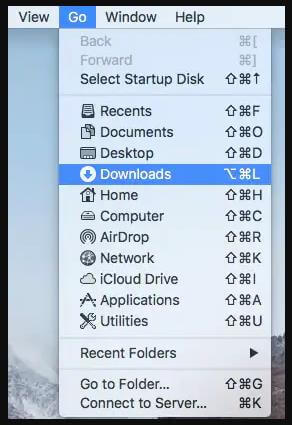
| Fix 3. Clean the Downloads | Go to the "Finder" and open the "Downloads" folder. View the files stored in the "Downloads"...Full steps |
| Fix 4. Delete Videos and Photos | The next step to free up space on Macintosh HD is to eliminate the videos or photo...Full steps |
| Other Solutions | It is easy to clean the temporary files saved on Macintosh HD. These files...Full steps |
How to Check Macintosh HD Storage Space
Freeing up storage space is a necessity for every Mac user, and one of the primary concerns is the Macintosh HD, which is primarily used for storing macOS base system files and applications. Known as the system volume, it contains all macOS files, making it essential to free up space on Macintosh HD for various reasons, including the need to manage storage capacity, maintain system performance, and prevent data overload.
- 1. Managing the space on Macintosh HD.
- 2. To free up space on your Macintosh HD, consider deleting unnecessary files, emptying the Trash, and uninstalling unused applications. You can also try compressing large files or folders to reduce their size.
- 3. Prepare the device for selling or shared use.
- 4. Free up the space for downloading macOS Ventura.
To free up space on Macintosh HD, you'll need to know how to check Macintosh HD's available disk space on Mac. To do this, simply click the Apple logo in the top left corner, select "About This Mac", and then click on "Storage" to see the available disk space. This will give you an idea of how much space is being used and where you can free up some space.
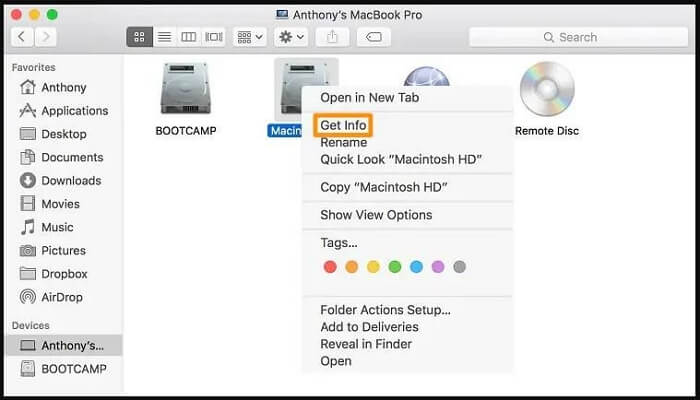
Step 1. Go to the "Finder" on your Mac and navigate to the "Devices" section.
Step 2. The Root Directory provides a detailed view of all partitions and external devices, allowing for a comprehensive exploration of the system's storage structure.
Step 3. Select the "Macintosh HD" and right-click to open the "Get Info" section.
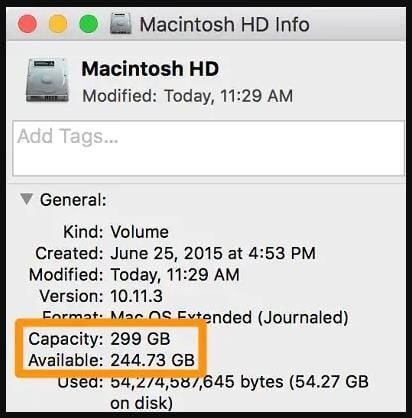
Step 4. To view the hard drive details, click on the pop-up window and navigate to the "Capacity" section, where you'll find the total storage capacity, and then to the "Available" section, where you'll see the total free space available on the disk.
Now that you know the importance of freeing up space on Macintosh HD and how to check the available disk space, let's move on to the steps to free up space on Macintosh HD. This includes deleting unnecessary files, emptying the trash, managing large files and folders, and using the Storage tab in About This Mac to see which files and folders are taking up the most space.
How to Free Up Space on Macintosh HD [8 Ways]
If you're looking to free up space on your Macintosh HD, there's good news - you can do it easily. For beginners and professionals alike, there are several simple ways to free up space, including checking for and removing unused apps, deleting browser cache and history, emptying the trash, and managing large files and folders. Additionally, you can also consider removing old backups, deleting unwanted documents and emails, and using the "Optimize Storage" feature to automatically manage your storage.
You can quickly reference the video about the different methods to free up space on Macintosh HD, which covers various key moments.
- 00:28 Check how much space you have
- 01:31 Empty the Trash automatically
- 01:46 Free up space manually
- 02:29 Move large files to an external hard drive
Fix 1. Empty the Trash on Mac to Free Up Space on Macintosh HD
It is crucial to empty the Trash on Mac as it contains all deleted files, taking up space on Macintosh HD. To free up space, you should permanently delete files from the Trash by following these quick steps.
Step 1. Go to the "Finder" on Mac.
Step 2. Select the "Empty Trash" option.
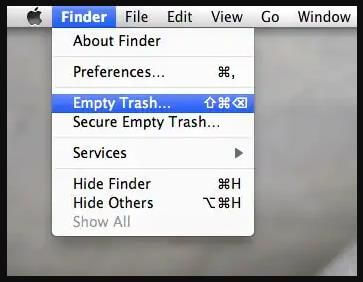
Step 3. To empty the trash, simply click on the "Trash" icon, right-click on it, and select the "Empty Trash" option.

Fix 2. Clean Up Old Time Machine Backups on Macintosh HD
To free up space on Macintosh HD, clean up old Time Machine backups by deleting them. You can do this by going to System Preferences, then Time Machine, and selecting the backups you want to delete and clicking the minus button. Alternatively, you can also delete the backups by going to the Time Machine backup folder on Macintosh HD and deleting the files manually.
Step 1. Open the "Time Machine" icon on the menu bar.
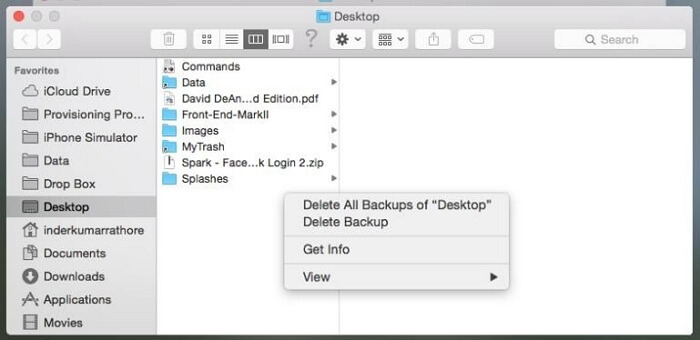
Step 2. To delete unwanted backups, simply press "Enter Time Machine" and navigate through the available backups to select the one you want to delete. This process is straightforward and allows you to easily identify and remove the backup you no longer need.
Step 3. To delete a backup, select the ellipsis above the folder contents and click "Delete Backup." If prompted, enter the password to confirm the deletion.
Fix 3. Check the Downloads Folder on Mac and Clean It
The "Downloads" folder on Mac is the default location for all downloaded content from the web, storing a large amount of data. To free up space on Macintosh HD, it's recommended to delete this folder, which contains all the downloaded files.
Step 1. Go to the "Finder" and open the "Downloads" folder.
Step 2. To delete unwanted data from the "Downloads" folder, view the files stored in it, select the unwanted data, right-click on it, and move it to the "Trash."
Fix 4. Delete Videos and Photos from a Long Time Ago
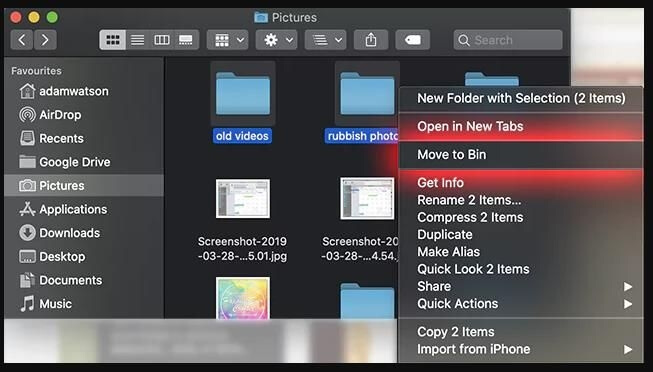
To free up space on Macintosh HD, eliminate old videos and photos from the system, as they take up a large amount of storage. Select them and move them to the bin using the "move to Trash" shortcut on Mac.
Fix 5. Clean Temporary Files Saved on Macintosh HD
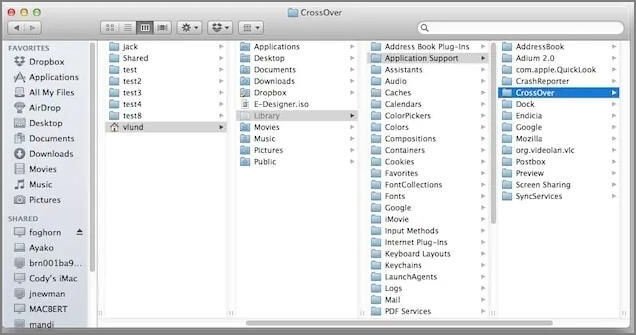
To free up storage space on your Mac, it's easy to clean the temporary files saved on Macintosh HD. These files can accumulate over time and take up a significant amount of space, but can be quickly removed by following a few simple steps.
Step 1. Open the "Finder" option.
Step 2. Enter "~/Users/User/Library/Application Support/" in the address bar.
Step 3. To clean up temporary files, navigate to the respective folders on your computer, locate temporary files, and then move them to the Trash for deletion.
Fix 6. Delete Emails from Mail on Mac to Free Up Space
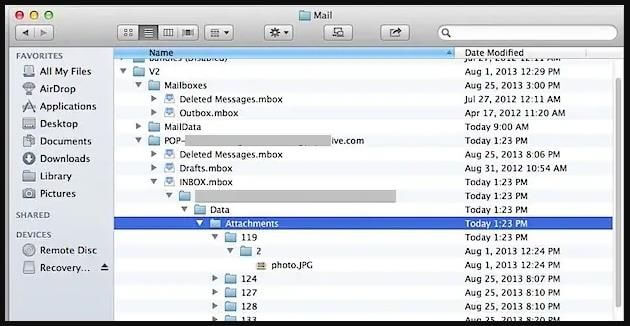
To free up storage space on your Mac, delete unnecessary emails from the mail folder. Constant email use and downloading attachments can consume a lot of storage, so deleting unwanted emails can help declutter your computer. Simply follow the quick steps to delete emails from your Mac's mail folder.
Step 1. Go to the "Finder" option on Mac.
Step 2. To remove an attachment from an email, once the attachment is loaded, go to the "Message" option and select "Remove Attachment."
Step 3. To delete unwanted email attachments on a Mac, you can either manually delete them after downloading or access the ~/Library/Mail folder, view the stored attachments, select the unwanted files, and delete them.
Fix 7. Uninstall Unnecessary Applications on Mac to Save Storage Space
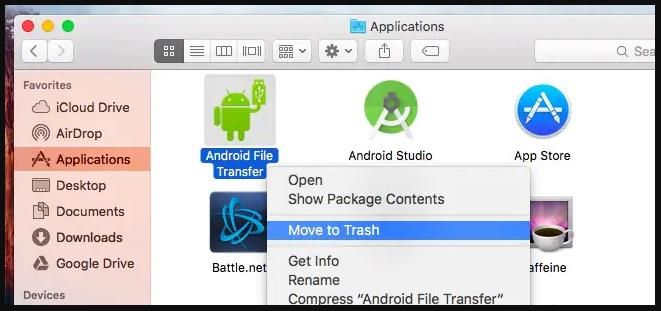
To free up space on Macintosh HD, simply uninstall unnecessary applications on your Mac. Look for unused or unnecessary apps and delete them. This straightforward process involves identifying and removing apps that are no longer needed, allowing you to reclaim valuable storage space on your Mac.
Step 1. To view the different applications installed on your Mac, go to the Finder and click on the "Applications" folder. This will display a list of all the installed apps, allowing you to browse and access them as needed.
Step 2. To delete an application on a Mac, select the application you want to delete and move it to the Trash. This will remove the application from your computer.
Fix 8. Compress Files Instead of Delete Them on the Mac
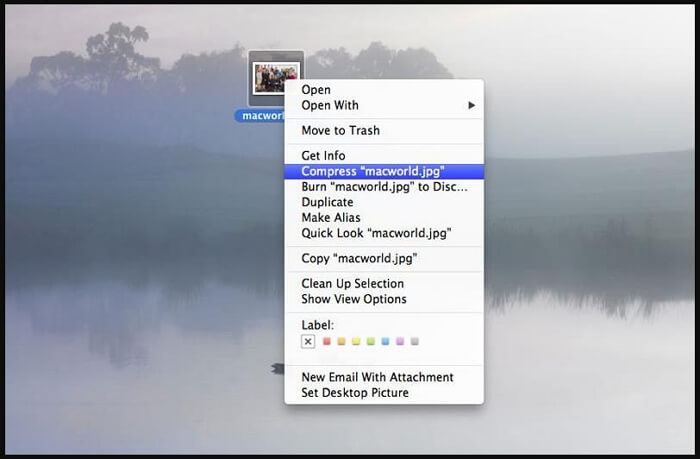
When making space on your Mac by cleaning up Macintosh HD, consider compressing files instead of deleting them. You can easily use Apple's built-in compression tool to compress files on your Mac by following a few simple steps. This approach allows you to free up space without permanently deleting your files.
Step 1. Select the files to be compressed.
Step 2. Right-click on the files and select "Compress."
Step 3. The selected files are packaged into a Zip file.
Recover Deleted Data While Cleaning Up Macintosh HD
After using the top eight methods to free up space on Macintosh HD, users may be concerned about the risk of losing their data during the cleaning process. Fortunately, Deep Data Recovery for Mac can help recover unlimited deleted data due to various situations, such as accidental deletion, emptying the Trash bin, or incorrect steps taken during the cleaning process.
Deep Data Recovery stands out as a top-notch data recovery tool for Mac users, boasting several key features that make it an ideal choice.
- Recover deleted files Mac from different data loss scenarios.
- The software can recover a variety of file types, including deleted pictures, videos, music, documents, and other files.
- Restore the recovered data to the cloud directly.
- Quick preview of the recoverable files to confirm files.
To recover deleted data on a Mac, start by stopping using the device immediately to prevent overwriting the deleted files. Then, try using built-in recovery tools like Time Machine or System Restore, or third-party software like Disk Drill or Data Rescue.
Step 1. Select file types
Launch Deep Data Recovery software, select the desired file types, and click "Fast Scan" to initiate the recovery process.
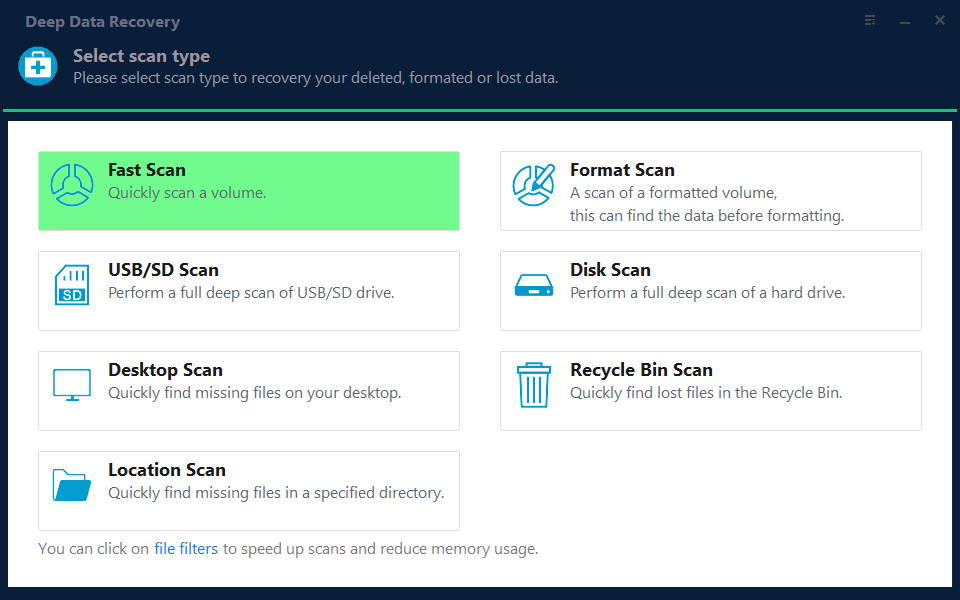
Note: You can choose different search modes based on where and why the data was lost.
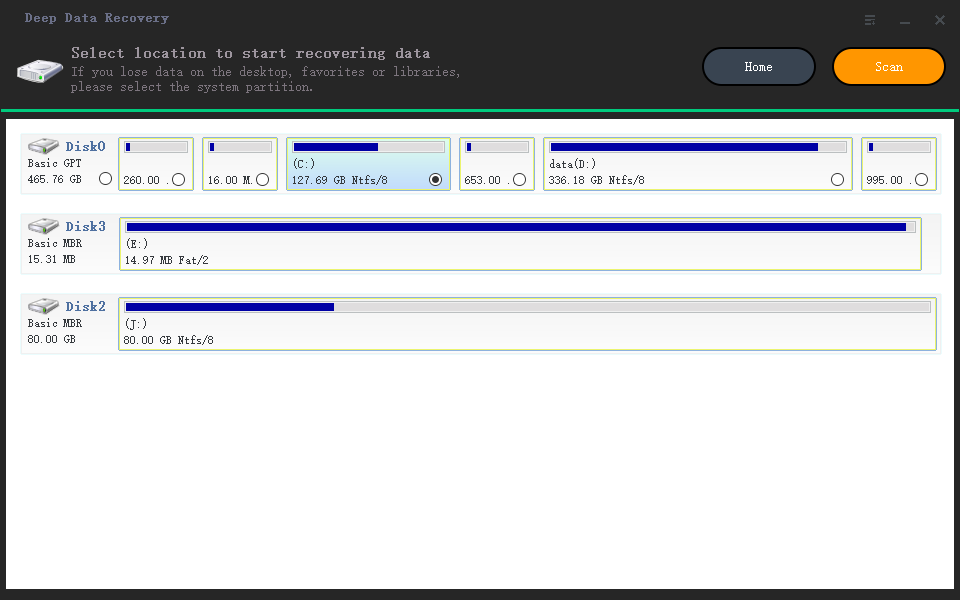
Step 2. Select the location and scan
Select the disk where the data was lost, then click "Scan" to initiate the scanning process.
Step 3. Filter and preview lost files
After the scan, use the file format filter on the left or upper right corner to find the deleted files you need, and then proceed with the recovery process.
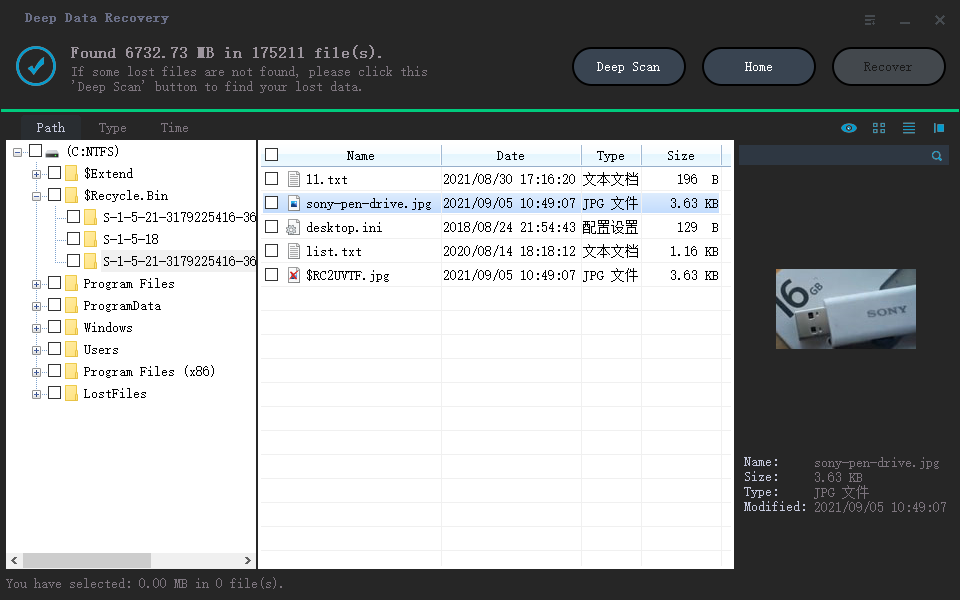
Step 4. Recover lost data or files
You can double-Click a file to preview its content, or choose multiple files to recover them at once, and then click "Recover" to restore the lost data to a local or cloud drive.
Conclusion
Mac users can easily free up space on their Macintosh HD by understanding and implementing various methods. This includes emptying the Trash, cleaning up old Time Machine backups, checking and cleaning the downloads folder, and deleting unnecessary items such as videos and photos. Additionally, users can clean temporary files, delete unwanted emails, uninstall unnecessary applications, and compress files to reclaim space.
Mac users can recover deleted data quickly using Deep Data Recovery for Mac, which can be used in simple steps to clean up Macintosh HD, eliminating worries about accidental data loss.
Free Up Space on Macintosh HD FAQs
After going through the steps to free up space on Macintosh HD, you may have some questions. Here are some frequently asked questions with easy and accurate answers.
Why I deleted files but still have no space on my Mac?
Mac users often encounter the issue of deleting files yet still having no available space on their device, which can be caused by various macOS errors such as an inability to repair the disk, incomplete file deletion, or open processes blocking file deletion. Additionally, a large collection of deleted files in the Trash can consume significant memory, leading to a "no space" issue.
How do I discover what's taking up so much space on my Macintosh HD?
To identify what's taking up space on your Macintosh HD, follow these steps: Check the Storage tab in About This Mac, then click on Manage. From there, you can see a breakdown of the space used by each category, such as Applications, Documents, and Videos.
- 1. Click on the "Finder's Dock" icon.
- 2. Go to the "View" menu and select "Show status bar."
- 3. The script displays the total number of items in the current folder, along with the available free space on the hard drive where these items are stored.
How do I free up space on my Macintosh HD?
To free up space on your Macintosh HD, you can use various methods. You can delete unnecessary files and documents, empty the trash, and remove unwanted apps.
- 1. To free up space on your Mac, you can empty the Trash by following these steps: click on the Trash icon in the dock, right-click (or control-click) on it, and select "Empty Trash" from the dropdown menu. Alternatively, you can also select "Empty Trash" from the Finder menu.
- 2. Clean up old Time Machine backups on Macintosh HD
- 3. Check the Downloads folder on your Mac and clean it
- 4. Delete videos and photos from a long time ago
- 5. Clean temporary files saved on Macintosh HD
- 6. Delete Emails from Mail on Mac
- 7. Uninstall unnecessary Applications on Mac
- 8. Compress files instead of deleting them on the Mac
Can I recover deleted files on Macintosh HD?
Deep Data Recovery for Mac allows you to recover deleted files on Macintosh HD, offering a powerful and reliable recovery solution for various situations, including accidental file deletion while freeing up space. This tool provides dedicated data recovery in simple steps, making it suitable for both beginners and professionals.
Related Articles
- Full Guide on GPT Max Size | What Is GPT Max Size?
- How to Fix Last USB Device Malfunctioned Error on Windows [Efficient Ways]
- How to Cancel Windows 10 Updates Once Started
- How to Fix Windows 10 Update with Error Code 0x800F0922 Issue
- How to Find Windows Server 2012 Product Key [3 Ways]
To avoid losing your activation key in the Windows Registry, you should save it in a safe place, such as a note or a secure document, before reinstalling Windows. If you - How to Find Windows Server 2016 Product Key
Are you unable to find your Windows Server 2016 Key? Is your Server dead, and do you need to find the key? Follow this quick and easy guide on how you can find Windows Server 2016 product key using various methods and third-party tools.
Products
Articles & Tutorials
- Data Recovery
- Data Backup
- File Recovery
- File Backup
- System Backup and Restore
- Disk and Partition Clone
- Technical articles
- Mobile articles
- Disk Master Help
- Windows Data Recovery Tutorials
- Windows Secure Delete Tutorials
- Windows Partition Management Tutorials
- Windows File Backup and Restore Tutorials
- Windows System Backup and Restore Tutorials
- Windows Disk Backup and Restore Tutorials
- Windows Clone Tutorials