How to Open PowerShell on Windows 10? [Step by Step]
You can accomplish various administrative tasks using Microsoft PowerShell, which allows you to discover and manage different aspects of your Windows 10 PC, such as the number of USB devices installed.
PowerShell is a robust scripting language and command-line shell that offers a handy tool for automating Windows tasks. It uses cmdlets to launch particular apps, making it a convenient choice. Since its introduction, PowerShell has become the default choice for many users, particularly since Windows 10. Fortunately, there are several ways to open PowerShell, making it easily accessible.
What Is PowerShell?
PowerShell is a task automation and configuration management framework developed by Microsoft, which is now a built-in feature in Windows 10. It allows users to run commands, scripts, and tools, making it a powerful tool for system administrators and users alike. With its ability to interact with Windows operating systems, PowerShell provides a flexible and efficient way to automate tasks, manage configurations, and more.
PowerShell is an open source and CLI-based tool that enables IT admins, web developers, and DevOps experts to automate tasks and configurations using code. It offers various versions, file extensions, and features, including a range of functionalities that cater to different needs.
Filename Extensions
- .ps1 (Script)
- .ps1xml (XML Document)
- .psc1 (Console File)
- .psd1 (Data File)
- .psm1 (Script Module)
- .pssc (Session Configuration File)
- .psrc (Role Capability File)
- .cdxml (Cmdlet Definition XML Document)
Versions
- Windows PowerShell 1.0
- Windows PowerShell 2.0
- Windows PowerShell 3.0
- Windows PowerShell 4.0
- Windows PowerShell 5.0
- Windows PowerShell 5.1
- PowerShell Core 6
- PowerShell 7
- PowerShell 7.2
Features
PowerShell is a powerful scripting language that offers a wide range of features, including the ability to automate tasks, manage systems, and interact with various software applications. Its robust syntax and extensive library of built-in commands make it an ideal choice for system administrators, developers, and power users who want to streamline their workflows and improve productivity.
- Error-handling: Windows PowerShell offers the Try{ }, Catch { }, and Finally {} blocks as the error-handling mechanism, similar to the .NET language.
- Tab expansion: Pressing the Tab key once in PowerShell allows for tab expansion, a form of auto-completion, which completes the names of cmdlets, properties, and parameters.
- Desired state configuration: PowerShell's Desired State Configuration (DSC) is a powerful feature that offers a comprehensive set of resources, language extensions, and cmdlets, enabling users to configure software declaratively.
How to Open PowerShell? [Top 5 Ways!]
To open PowerShell in Windows 10, you have several options. You can search for "PowerShell" in the Start menu, type "powershell" in the Run dialog box (Windows key + R), use the Task Manager to search for PowerShell, or access it from the File Explorer context menu by right-clicking on the Start button and selecting "Windows PowerShell" from the context menu. Alternatively, you can also use the keyboard shortcut Windows key + X and select "Windows PowerShell" from the menu. These methods will give you access to the Windows 10 PowerShell interface.
- Fix 1. By using Start Menu Search
- Fix 2. By using scrolling all apps in Start Menu
- Fix 3. By using the Power Users Menu
- Fix 4. By using Run Box
- Fix 5. By using File Explorer
Method 1. By using Start Menu Search
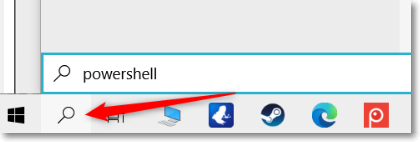
To quickly open PowerShell in Windows, follow the steps: Perform a Start menu search for "PowerShell" and select the result to open it.
Step 1. To start PowerShell, click on the start icon and type "PowerShell" in the search box, then click on the result to open it.
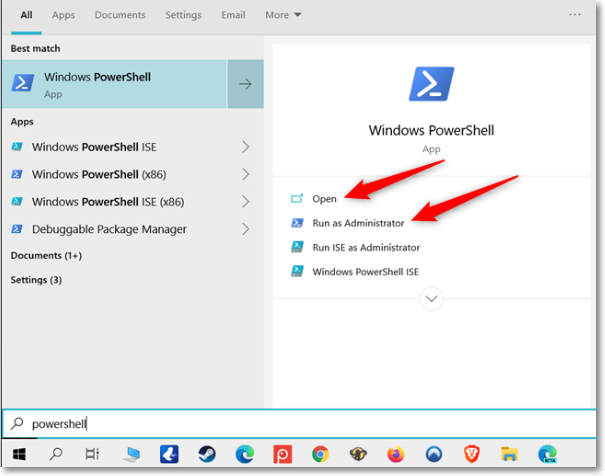
Step 2. To start PowerShell, you need to hit the "Run as Administrator" or "Open" button to start it, typically with administrative privileges.
Method 2. By using scrolling all apps in Start Menu
To find PowerShell on Windows 10, go to the "All Apps" section of the Start menu, where you'll find its icon as the default program. Alternatively, you can quickly access PowerShell by typing its name in the search bar. Once located, you can open it and start using its features.
Step 1. To broaden the list of apps installed on your Windows PC, start by tapping the "Start" icon, followed by selecting "All Apps".
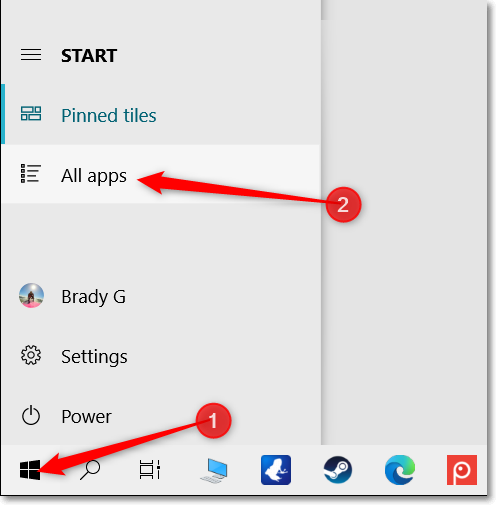
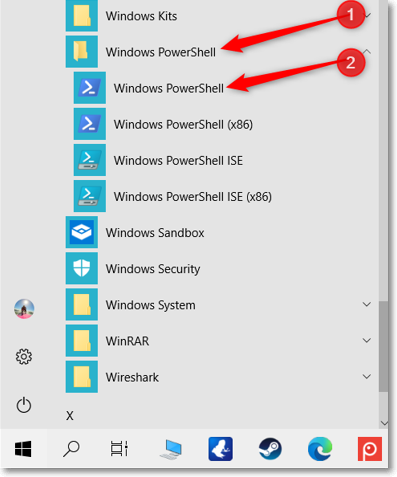
Step 2. To open PowerShell, you need to scroll down, hit the "Windows PowerShell" folder, and choose this to open.
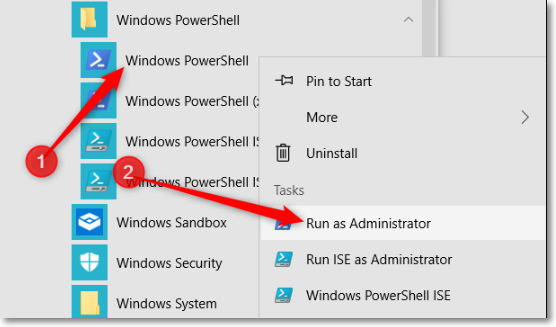
Step 3. To launch PowerShell with administrative rights, right-click the icon and select "Run as Administrator" from the context menu that opens.
Method 3. By using the Power Users Menu
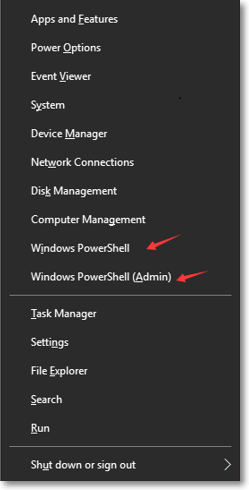
Windows 10 has a hidden menu called the WinX menu, accessible by hitting the Windows + X keyboard shortcut. This menu offers options like Windows PowerShell, which can be run as administrator by choosing Windows PowerShell (Admin). If Windows PowerShell keeps popping up, it can still be resolved.
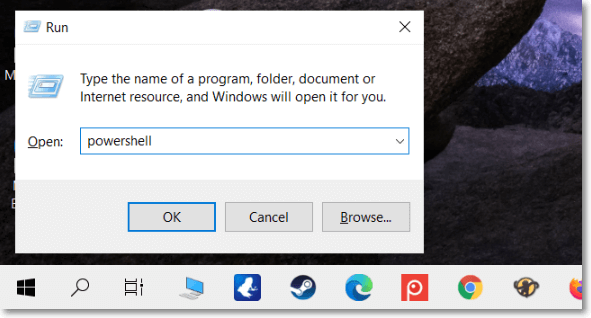
Method 4. By using Run Box
To open a PowerShell window, press Windows + R to open the Run dialog box, type "PowerShell" in the text box, and press "OK" or "Enter" to launch a regular window, or press Ctrl+Shift+Enter to open an elevated window.
Method 5. By using File Explorer
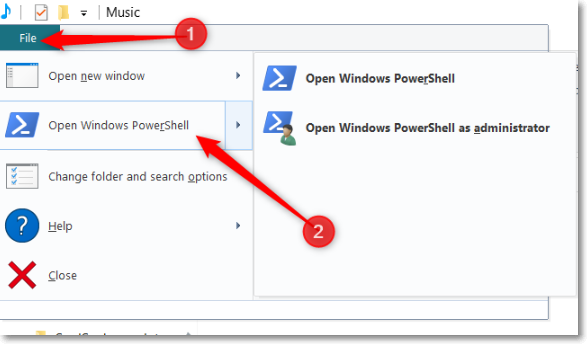
To open a PowerShell instance from a particular folder on your PC, you can use File Explorer to start the process within the chosen directory. Simply open File Explorer, navigate to the desired folder, right-click on an empty area, select "File," and then choose "Open Windows PowerShell" or one of the alternative options listed below. This will open a PowerShell window within the specified folder, allowing you to execute commands and work within the context of that directory.
- Open Windows PowerShell as Administrator.
- Open Windows PowerShell.
Conclusion
To quickly open PowerShell on Windows 10, you can right-click on the Start button. However, there are other methods to know, providing you with a variety of options. The top 5 ways to open PowerShell in Windows 10 include using the Start menu, searching for PowerShell, using the Task Manager, creating a shortcut, and using the Run dialog box. Knowing these methods will ensure you never run out of options.
FAQs
These are the detailed FAQs given below to get a better hold of PowerShell:
1. Is PowerShell and Python the same?
PowerShell and Python are not the same thing. PowerShell is a command-line interface for Windows, often used as part of a Python development environment, but they serve different purposes.
PowerShell is a significant undertaking of the shells concept, offering a shell scripting environment for Windows. It's a better fit for automating processes on the Windows platform, whereas Python is an interpreted high-level programming language.
2. How do I write a PowerShell script?
To write or create a PowerShell script on Windows 10, you can follow these steps:
- Hit the start button.
- To open Notepad, look for it in your Start menu, and click on it to open it.
- Paste your script or write a new one in the text file.
3. How do I run a file in PowerShell?
A: Follow the steps below:
- Hit the start menu.
- Look for PowerShell by right-To troubleshoot the issue, click on the top result in the search engine and choose the "Run as Administrator" option. This will open the Task Manager in an elevated state, allowing you to close the unresponsive program and potentially resolve the issue.
- The command "Set-ExecutionPolicy RemoteSigned" is used to allow scripts to run, but with some restrictions, requiring user permission for unsigned scripts. This is done by running the command in PowerShell and then hitting "Enter" to execute it.
- If applicable, type A, and hit Enter.
- To run the script, simply type the command "C:\PATH\TO\SCRIPT\first_script.ps1" in the PowerShell console and press Enter.
Related Articles
- 8 Best Google Drive Alternatives for Cloud File Backup [2022 Full Recommendation]
- (3 Easy Solutions) How to Safely Reset Registry Windows 10
- What Is Microsoft Safety Scanner? How to Download and Use It? [Updated in 2022]
- How to Recover Unsaved/Lost/Corrupted Adobe Acrobat Files on Windows PC
- [Beginner Guide] What Is VMware? What Is It Used for?
This passage provides an overview of Google Drive, highlighting its pros and cons, and also explores 8 alternative cloud file backup options. - How to Fix: SD Card Command Volume Partition Disk Failed with Null
Here is the easy fix for command volume partition disk, including command 7, 8, 9, 10, 11, 12, 13, 14, 16, 18, 21, 24 volume partition disk failed with the null problem.
Products
Articles & Tutorials
- Data Recovery
- Data Backup
- File Recovery
- File Backup
- System Backup and Restore
- Disk and Partition Clone
- Technical articles
- Mobile articles
- Disk Master Help
- Windows Data Recovery Tutorials
- Windows Secure Delete Tutorials
- Windows Partition Management Tutorials
- Windows File Backup and Restore Tutorials
- Windows System Backup and Restore Tutorials
- Windows Disk Backup and Restore Tutorials
- Windows Clone Tutorials