The Best Disk Imaging Software for Windows 11
To protect your Windows 11 system against malicious virus attacks or software/hardware glitches, consider running a virus scan with a reputable antivirus software, keeping your operating system and all software up to date with the latest security patches, and regularly backing up your data to an external drive or cloud storage. Additionally, be cautious when downloading and installing software, and avoid opening suspicious emails or attachments.
To safeguard your Windows 11 system, you can use disk imaging software to create a backup of your system, including all installed applications, settings, and data. This backup can be used to restore your system to its current state in case of a system failure, malware infection, or hardware failure. You can choose from various disk imaging software options, such as Qiling Backup, each offering different features and capabilities.
What is Disk Imaging Software?
Disk imaging is the process of creating a precise replica of a computer's hard drive, allowing it to be transferred to another device or restored to the same one. This process involves compressing all programs, settings, and data files, making it a useful backup solution in case of system crashes or failures.
Disk imaging software is a program that allows users to quickly and easily back up computer software and data stored on a hard disk, including not only programs but also system settings and configurations on a Windows 11 computer.
The software captures a snapshot of your computer system, including its structure, software settings, and registry programs, allowing users to refer to the images and restore their computer files or settings in case of a virus attack or system glitches.
Disk Imaging vs. Disk Cloning vs. Disk Backup
Many Windows users mistakenly believe that disk imaging, cloning, and backup are the same thing, but they are not. While these operations share the common goal of protecting hard disk data, they differ in their approach and purpose. Each serves a distinct function, making them not interchangeable terms.
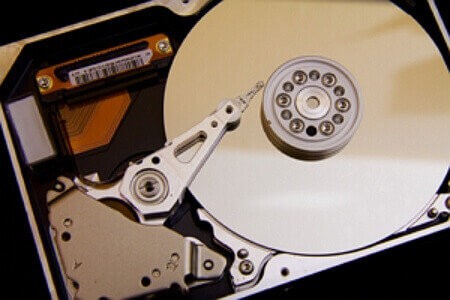
Disk Imaging
Imaging creates a compressed image file of your drive, allowing you to restore it to its original state, and can be saved on a computer, external drives, or the cloud.
Disk Cloning
Cloning creates an exact and uncompressed duplicate copy of your drive, allowing for a quick revival of your system if the original hard drive fails, but it lacks the flexibility of disk imaging.
Disk Backup
Disk backup is a reliable data backup and recovery method that stores an entire hard disk on a backup device or server, providing a robust disaster recovery solution that safeguards against data loss in case of a crash or disk failure. By utilizing duplication and compression methods, disk backup maximizes disk storage capacity and ensures that your data is protected.
Also read: Differential Backup vs Incremental Backup
How to Find a Good Disk Imaging Software
When searching for disk imaging software online, you'll find many great options. However, to choose the best one, consider a few key factors, such as the specific needs of your project, the level of detail you require, and the compatibility of the software with your operating system and hardware. This will help you narrow down the selection and find the most suitable tool for your needs.
- Compatibility: The software should be compatible with all leading Windows versions and operating systems to ensure smooth management.
- Affordability: The software price should fit within your budget, and it's also a good idea to look for a vendor that offers a free trial to test the software before making a purchase.
- Customer Support: Always ensure that software developers are available for fast assistance in case of a problem.
- Advanced Features: Consider a Windows 11 disk imaging software that offers more features beyond just disk imaging, such as disk backup, partitioning, and cloning capabilities. This will allow you to perform various tasks on your disk, including backing up, cloning, and imaging.
Recommended: The Best Disk Imaging Software — Qiling Disk Imaging Software
Based on the selection criteria, Qiling Disk Imaging Software is highly recommended and suitable for disk imaging needs.
Qiling Backup is an award-winning disk imaging software for Windows 11 that can take an image of your entire hard drive, clone, and back up your whole hard disk within a few clicks, offering a range of features.
- This software is highly compatible with Windows 11, as well as older versions such as Windows 7, Vista, and even Windows Server 2003.
- The software offers a totally free backup and restore feature.
- Qiling team is 24*7 to provide remote assistance.
- The software is very easy and simple to use, even for those who are not tech-savvy.
- Supports migrating system to HDD/SSD.
Steps to Capture Disk Image with Qiling Disk Imaging Software
To use Qiling disk imaging software to take a picture of your entire hard disk, follow these steps. First, you'll need to create a disk image for your computer, which can be done by using the software to capture the contents of your hard drive. This process will create a precise copy of your disk, including all files, operating systems, and applications.
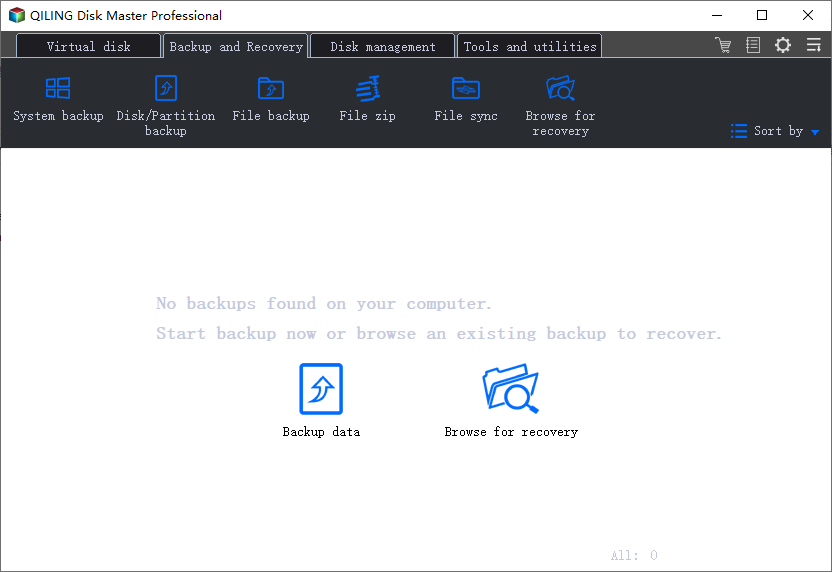
Step 1. Launch Qiling Backup and choose "System Backup" on the home page.
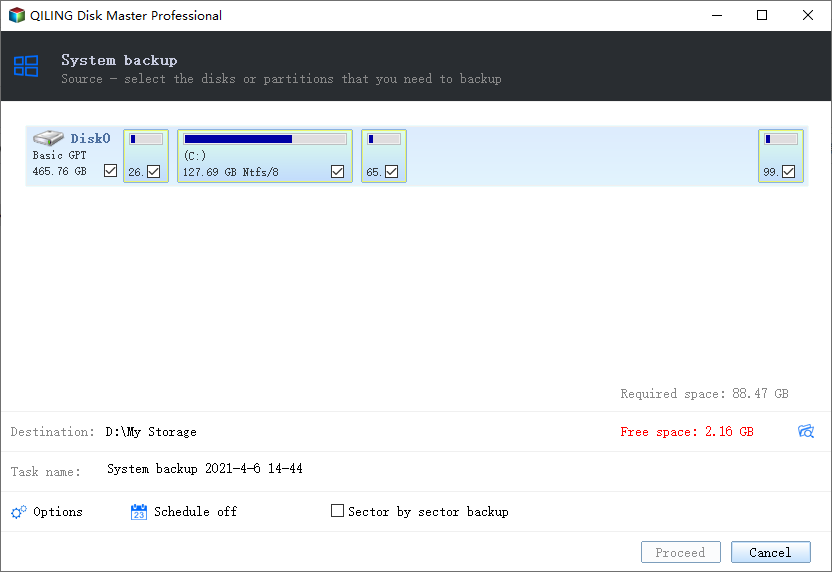
Step 2. The system partition will be automatically selected, you just need to choose the location.
Step 3. You can save backup files on your local drive, cloud storage, or network-attached storage (NAS), and also connect an external hard drive to store system backup files.
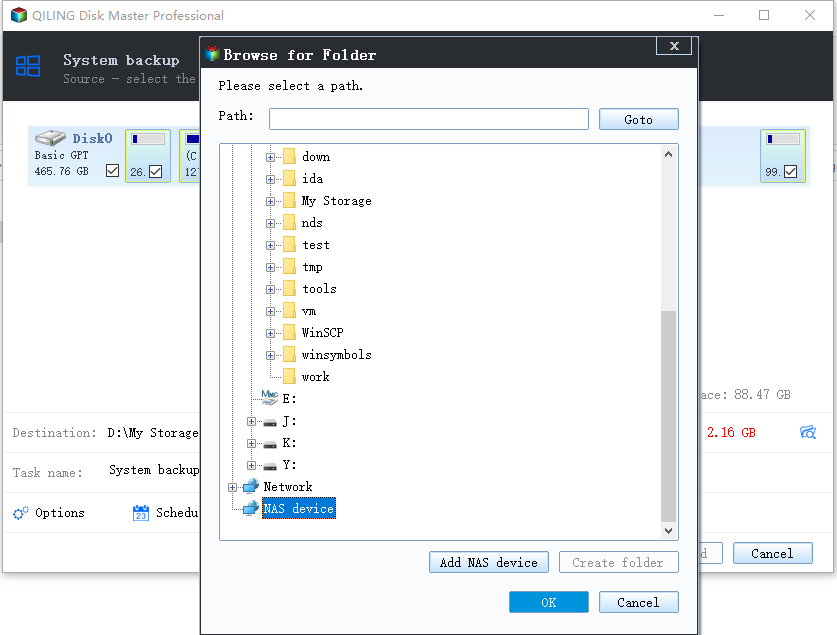
Step 4. To customize settings, click on "Options" at the bottom left, then click "Proceed" to start the process.
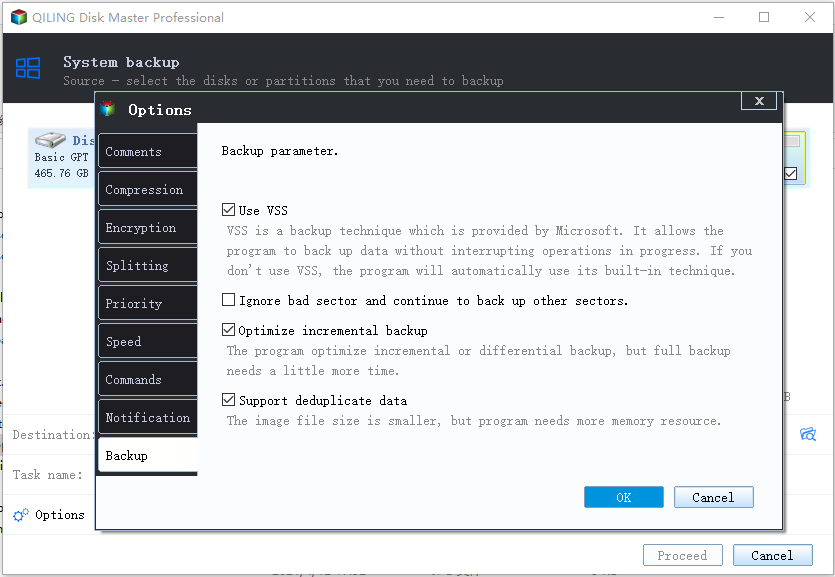
After completing the backup process, you can view the backup status, restore, access, or erase the backup by right-clicking on the backup task in the left-hand panel.
If you're still unsure whether to try Qiling Backup, take a look at some of its auxiliary features, such as, which might help you make a decision.
- Multiple backup options: This feature enables you to create backups of your system in various formats, allowing you to store them on external storage devices, cloud storage services, network drives, or NAS devices, providing a secure and accessible way to preserve your system's state.
- Compress image size: The software captures your disk image and then compresses it, reducing the backup size so it won't take up much space on your drive or storage devices.
- Automated backup: The tool allows you to schedule backups, ensuring your system remains fully backed up with minimal effort required.
- Recover data: If your Windows 11 computer meets with any disaster, the software will easily restore your system and get your device back to working condition.
- Various backup modes: 4 interactive modes for backing up your hard disk are offered, including full, incremental, differential, and scheduled backups.
- Real-time reporting: You can receive real-time backup reports to stay informed about any unexpected changes during the backup process.
- Password protection: The software allows you to password protect your system image, ensuring that only authorized individuals can access your backup files.
Parting Thoughts
Disk imaging is a process that protects data and system settings by creating a copy of the disk, allowing for easy system revival in case of failure or crash.
Qiling disk imaging software is a highly compatible, free, and robust backup tool that allows you to take an image of your entire disk. It's a great option for backing up your system and you should take advantage of it.
Related Articles
- 6 Solutions for Windows 10 Can't Create Recovery Drive
- 3-Minute Understanding SSD Cache in Windows 10/11: Is It Worth It?
- Windows 10 System Restore from Boot [Windows Tips]
- [Detailed Guide] How to Factory Reset HP Laptop
- Windows Backup Did Not Complete Successfully-Explained
What can you do when Windows backup did not complete successfully? This article will break it down to you and provide a solution. - Solved: Windows Backup Freezes at 97%
If you're experiencing issues with Windows backup freezing at 97%, this tutorial will guide you through a simple solution. However, if you're looking for a reliable and efficient alternative, I recommend using Qiling Disk Master.
Products
Articles & Tutorials
- Data Recovery
- Data Backup
- File Recovery
- File Backup
- System Backup and Restore
- Disk and Partition Clone
- Technical articles
- Mobile articles
- Disk Master Help
- Windows Data Recovery Tutorials
- Windows Secure Delete Tutorials
- Windows Partition Management Tutorials
- Windows File Backup and Restore Tutorials
- Windows System Backup and Restore Tutorials
- Windows Disk Backup and Restore Tutorials
- Windows Clone Tutorials