Fix Windows 11 Update Error with Efficient Ways
Are you annoyed by the Windows update not working out smoothly? Let's find out how you can stop that from happening.
Microsoft updates Windows, which can be frustrating as it consumes a lot of bandwidth and slows down computers, making the operating system a work in progress.
Some updates to computers can cause problems, leading to issues reported by users, even with newer operating systems like Windows 11 which experienced significant issues since its release in late 2021.
To stop Windows Update errors efficiently, focus on troubleshooting the issue, not just stopping the updates. This can be done by checking the Windows Update settings, ensuring the system is up-to-date, running the System File Checker (SFC), and performing a DISM scan to repair corrupted system files.
- 1. Run the Windows Update Troubleshooter
- 2. Reset the Windows Update Component
- 3. Perform a Repair Upgrade
Introduction To Windows Update
Windows Update is a service by Microsoft for its operating systems that occurs regularly, from the 9x family to Windows NT, to maintain the integrity of the operating systems.
Whenever a Windows update is released, it brings along various essentials, including new features, bug fixes, and security patches, among other things.
- Updated drives & software
- Updated windows interface
- New and improved visuals or animations in Windows
- Fixes bugs and troubleshoots common problems
- Improve performance of windows components
- Enhance the usage of computer hardware
If your Windows update is showing some sort of error, it may not be possible to achieve the update. Errors such as those related to corrupted system files, network connectivity issues, or driver problems might occur, hindering the update process.
- Windows Update Error "Potential Windows Update database Fan Error Detected"
- Microsoft states that error codes 0x80240034, 0x8007000E, 0x80242006, 0x80244018, 0x80D02002, 0x80246017, 0x80240438, 0x80070070, 0x8007000D, 0x80246008, 0x80096004, and 0x80070020 are other error codes.
To ensure your computer receives updates without errors, it's essential to troubleshoot and resolve any potential issues that might hinder the process. Whether you're turning off your computer or wanting updates to work correctly, you need to guarantee that your Windows update runs smoothly and without any errors.
Here's what we can do to make it work:
1. Run the Windows Update Troubleshooter
Microsoft had introduced an in-Windows Troubleshooter is a built-in tool in Windows operating systems from Windows 8 onwards, which aims to resolve various errors and issues on the computer. It is also available in Windows 10 and 11. The tool is designed to troubleshoot and fix problems, making it a useful resource for users to resolve technical issues on their Windows devices.
Windows Update is a standard feature that runs into trouble, which can be good for troubleshooting.
The first step is to let Windows fix the problem itself, as many issues are minor and easily resolvable, allowing the update to proceed without further intervention.
To fix Windows 11 updates error, we need to check Windows Update settings on your computer, as the most common cause is still related to Windows 10 settings.
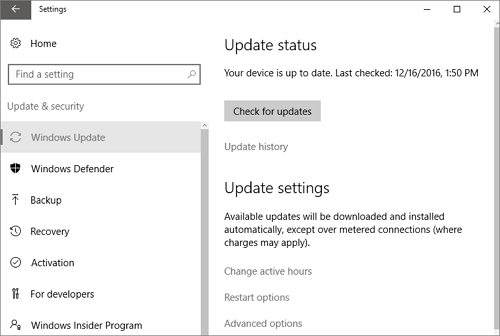
The Windows Update section in Settings shows that the computer is not receiving updates because automatic updates have been turned off by the organization, but this setting can be easily reverted.
To fix various errors, go to the Troubleshoot section.
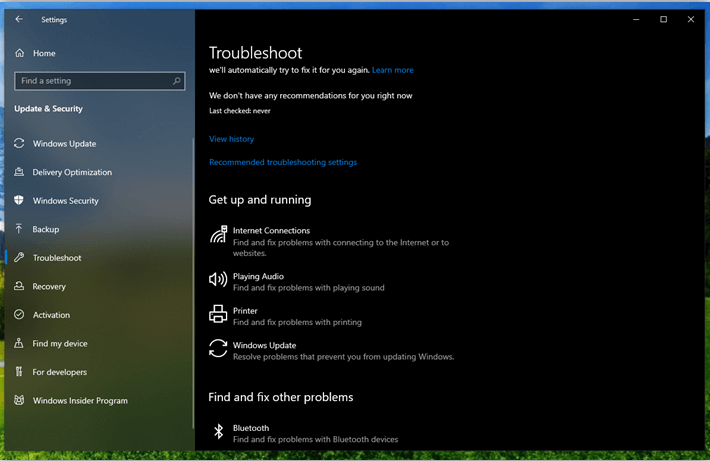
To resolve the issue, scroll down to "Get up and running," then click on Windows Update. Next, click on "Run the troubleshooter".
To troubleshoot a computer issue, run the built-in troubleshooting tools, such as the Windows Troubleshooter or the System File Checker, to identify and fix any problems. Once the troubleshooting process is complete, restart your computer to ensure the changes take effect. This simple step can often resolve a wide range of issues, from connectivity problems to software glitches.
- Go to Settings
- Update & Security
- Troubleshoot
- Get up and running
- Windows update
- Run the troubleshooter
- Restart computer
Once you restart your device, then do this:
- Go to Settings again
- Open Update & Security
- Click on Windows Update
- Then click on Windows Update
Running the Windows Update Troubleshooter is a straightforward process. The tool will scan your system for any issues that might be preventing Windows updates from working correctly. If any problems are found, the troubleshooter will attempt to fix them.
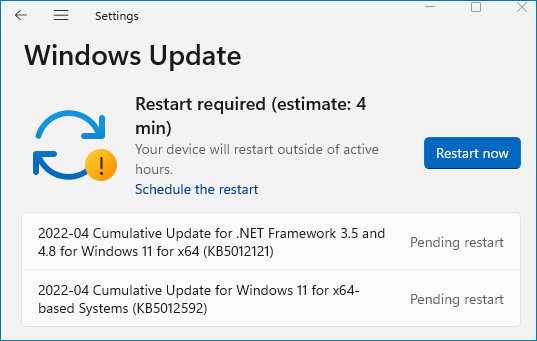
Windows 11 KB (KB5012592) Update Improvement: Settings Change, Security Improvements
Windows 11's KB update, released on the second Tuesday of every month, improves Windows quality and fixes small bugs. The April 2022 update, KB5012592(22000.613), is a notable example, and this article will highlight the improvements made in this update.
2. Reset the Windows Update Component
Windows Update components are tools and elements that the operating system has recently updated, but they may sometimes cause problems, potentially disrupting the Windows Update system itself.
To resolve the issue of not receiving any newer Windows updates after a botched update, you can use the downloadable troubleshooter provided by Microsoft. This troubleshooter can help reset the Windows Update components, allowing you to receive newer updates again.
- Download and run the MS Troubleshooter
- Run the downloaded file
- Here's the next window you will see:
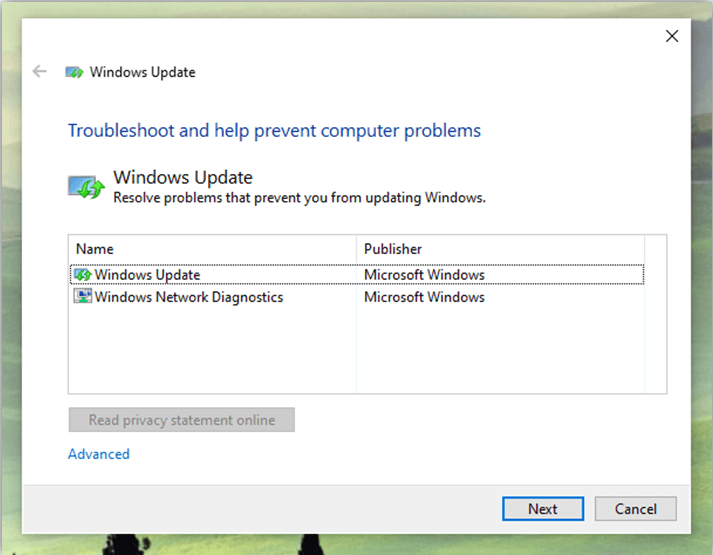
- Pick Windows Update and click next
- Click "Close" once done
To resolve Windows update issues, ensure your computer is connected to the internet and try restarting it. If the problem persists, check for any additional errors your computer might be running into and fix them. Additionally, verify that network-related problems are not causing the issue by checking your internet connection and ensuring that your firewall is not blocking Windows updates. If none of these steps resolve the issue, consider resetting your Windows update components or seeking further assistance from a Microsoft support professional.
- Open the MS Troubleshooter once more
- Pick Windows Network Diagnostics this time
- Follow the instructions on the screen
- Click Close when done
Restart your computer, go to settings, and try running Windows Update again. This should resolve any additional network errors.
3. Perform a Repair Upgrade
A repair upgrade is essentially a Windows reinstallation that preserves your personal data, programs, and files. To do this, you'll need to download the ISO file from Microsoft, which can be either Windows 11 or Windows 10.
To access the ISO file, you'll need to use an ISO mounting tool, which will allow you to treat the ISO file as a virtual drive. Once mounted, you can access the contents of the ISO file by entering the drive letter associated with the mounted virtual drive.
- Click on Setup.exe
- Let the installation files prepare
- Accept Windows License Terms
- Wait for the "Ready To install" screen to show up
- Click on "Change what to keep"
- The process of decluttering and simplifying your tool collection can be beneficial for several reasons. By selecting the tools you need and want to keep, you can free up space, reduce decision fatigue, and potentially save money by not having to purchase unnecessary items.
- Click on Install and let it run its course
After the process is complete, sign in to your Windows account and run Windows Update again to ensure any additional errors are fixed. This should resolve any remaining issues, including those related to Windows.
Conclusion
To fix Windows 11 updates error, follow these steps: ensure your computer receives all necessary updates from Microsoft by troubleshooting each step until your problem no longer persists.
Related Articles
- 2022 Five Best Solutions to Backup Files in Windows 11
- Disk Clone vs. Entire Machine Backup: Every Detail You Want to Know
- Run Disk Clone Windows 11 and Windows 10 with Qiling Backup
- Top 3 Reasons to Download Qiling Cloning Software for HDD SSD Clone/OS Migration
- How to Recover Permanently Deleted Pictures from Laptop Easily
Deleted your pictures/photos permanently from laptop and want to retrieve them? Learn efficient solutions to recover permanently deleted pictures/photos from this page. - Restore Deleted Files in Windows 10/8/7 for Free
If you find your important files deleted accidentally, don't stress out until you try these 4 methods to restore deleted files in Windows 11/10/8/7.
Products
Articles & Tutorials
- Data Recovery
- Data Backup
- File Recovery
- File Backup
- System Backup and Restore
- Disk and Partition Clone
- Technical articles
- Mobile articles
- Disk Master Help
- Windows Data Recovery Tutorials
- Windows Secure Delete Tutorials
- Windows Partition Management Tutorials
- Windows File Backup and Restore Tutorials
- Windows System Backup and Restore Tutorials
- Windows Disk Backup and Restore Tutorials
- Windows Clone Tutorials