Qiling Backup vs. Macrium Reflect
What's Computer Backup Software?
Accidental deletion, disk formatting, system crashes, and viruses can lead to devastating data loss, which can be avoided with a pre-made backup. For individuals, losing personal photos and work documents can be costly, while for businesses, losing data or experiencing system downtime can damage their reputation and lead to lost customers and income.
Backing up your important data and systems is a crucial aspect of cyber security, and it goes beyond just setting up a backup system. To ensure protection, it's essential to use computer backup software that can create copies of your files, databases, operating systems, and entire computers. In the event of hardware or software failure, data corruption, or malware infection, this software can quickly recover your data and systems from previous backups, effectively restoring everything to its previous state.

How to Choose Backup Software for Individuals and Business
Windows includes File History for copies of selected files, while other built-in recovery options vary by Windows version. Before choosing a tool, decide whether you need individual files, a restorable Windows image, or both.
File History can help with personal files, but it is not a substitute for a complete system image. A dedicated backup application can also offer scheduling, image management, and rescue media for a PC that no longer boots.
Both Qiling Backup and Macrium Reflect address these wider needs. Compare their supported tasks and licensing before choosing a workflow.
If you also plan to move Windows to another drive, compare the available hard drive cloning software before starting.
Qiling Backup vs. Macrium Reflect: 10 Comparisons
Qiling Backup and Macrium Reflect both create Windows backups, but their current editions and licensing differ. The questions below focus on practical tasks: creating an image, restoring an unbootable PC, and keeping backups current.
Check the edition you plan to install: a feature shown in an older screenshot or a business edition may not be included in a current home trial.
Q1. Where is either company located? How long is the brand history?
- Qiling develops Windows backup and disk-management tools, including Qiling Disk Master.
- Macrium develops Reflect for Windows backup and recovery. Its current home product is Reflect X Home.
Company age or size does not show which backup will restore your PC. Compare the current edition, support terms, and recovery workflow instead.
Q2. Is it free and easy to use?
Qiling offers a trial download for the Disk Master edition linked here. Macrium currently advertises a 30-day trial of Reflect X Home; its older Reflect Free edition should not be treated as the current home offer.
- In Qiling Disk Master, open the backup section and choose the backup type you need. Check the current edition's trial limits before relying on it for a restore.
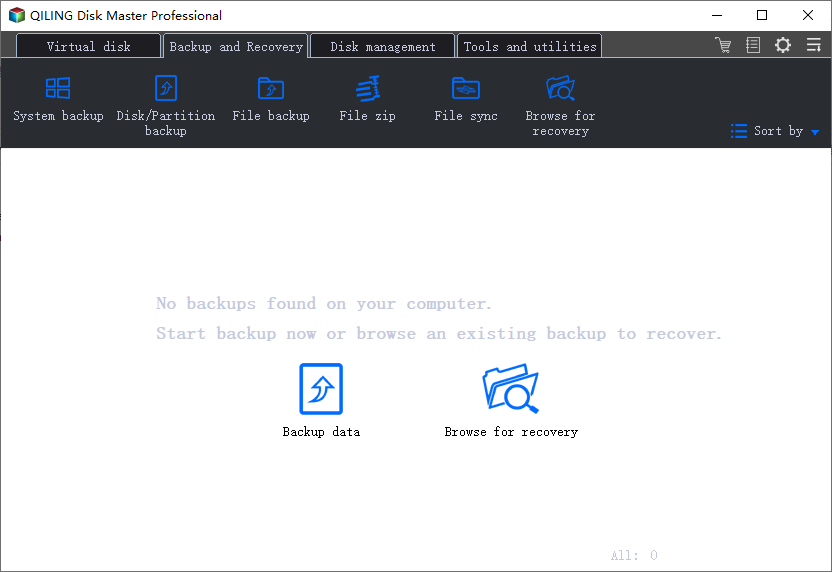
- On Macrium's current home product page, choose the Reflect X Home trial and review its licensing before the trial ends.
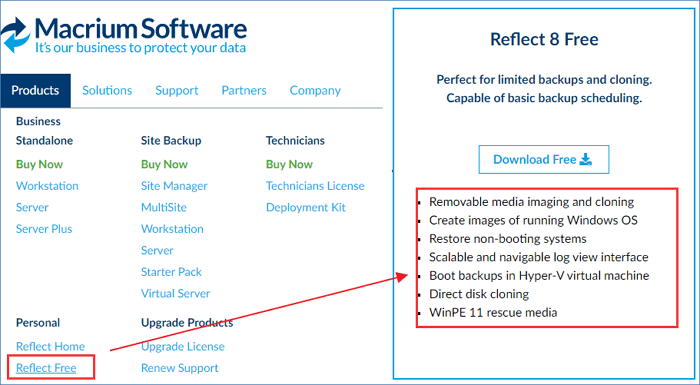
This screenshot shows an older Reflect Free edition. Use Macrium's current product page to confirm what the Reflect X Home trial includes.
Qiling groups system, disk, partition, and file tasks in its backup workflow. Reflect X Home also supports guided backup and restore tasks. Try creating and locating a test image in each tool; ease of use depends on the task and the version installed.
Q3. Which software includes better backup features?
Both products can protect Windows with images and scheduled backups. Feature availability differs by edition, so check the current license before assuming that a business or legacy feature is included.
Common tasks to compare:
- File and folder backup
- Windows system imaging, subject to the version's supported operating systems
- Disk/partition backup and disk image
- Restoring files from a backup image
- Mount/Dismount backup images
- Disk/partition clone
- Scheduled backups, with available triggers depending on the edition
Qiling features worth checking in your edition:
- File, system, disk, and partition backup tasks
- Bootable recovery media
- Backup image compression
- Backup image encryption
- Backup scheduling and image management
- Restore options for a replacement drive
Macrium Reflect features worth checking in your edition:
- Windows image backup and restore
- Backup file Consolidation with Synthetic Full backup support
- Rescue media for recovery outside Windows
- Pre-defined backup plan templates
Q4. Which is more expensive? Qiling Backup or Macrium Reflect?
Prices and renewal terms change. Compare the checkout pages for the editions and number of PCs you need, including what happens after a trial or subscription ends.
- Qiling Disk Master: check the current trial, license, and upgrade terms at checkout.
- Macrium Reflect X Home: check its current trial, license term, and renewal conditions at checkout.
Q5. Do they offer cloud backup?
Do not assume either application writes directly to every consumer cloud account. Check the destination types supported by your edition and whether you must first map a network share or synchronize a local folder. For an image backup, also confirm that your rescue environment can reach the destination before you need to restore it.
Q6. Which offers better support for large organizations?
Organizations need more than an image file: they should check server support, restore testing, retention rules, and support terms.
Qiling's business editions may provide additional management and recovery options. Confirm the exact features in the edition under consideration.
- Windows server support
- SQL/Exchange backup and restore
- Centrally management
- Image-Reserve Strategy
- Universal Restore
- Pre/post command line backup
- PXE server support
- OEM rebrand service
Macrium also sells business-oriented editions. Compare those separately with Qiling's business editions; Reflect X Home should not be assumed to include every server feature.
- Image backup and restore for supported business systems
- Windows event logging
- Backup files and folders to a single compressed archive file
Q7. Can you do a smart backup in each software?
Here, a smart backup means a scheduled task that updates the backup after its first run. Set an interval that fits how often your files change, and check that the destination has space for retained versions. A schedule does not provide continuous protection between runs.
- Back up active documents on a schedule appropriate to their change rate.
- For databases or shared files, use an application-aware backup method and test a restore; copying open files alone may not produce a usable version.
- Keep multiple restore points so a damaged or unwanted change is not the only available version.
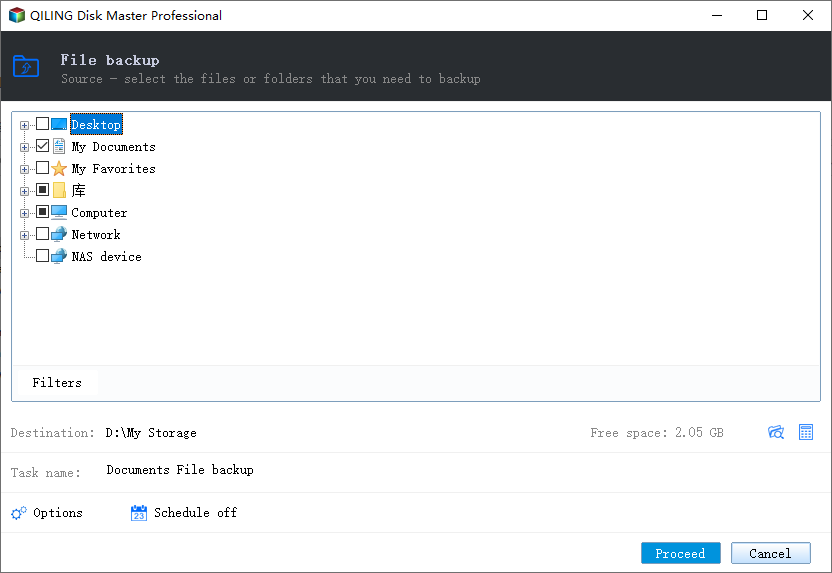
Macrium Reflect also supports scheduled backup plans. Compare each product's schedule and retention controls using the current edition, then run a test restore.
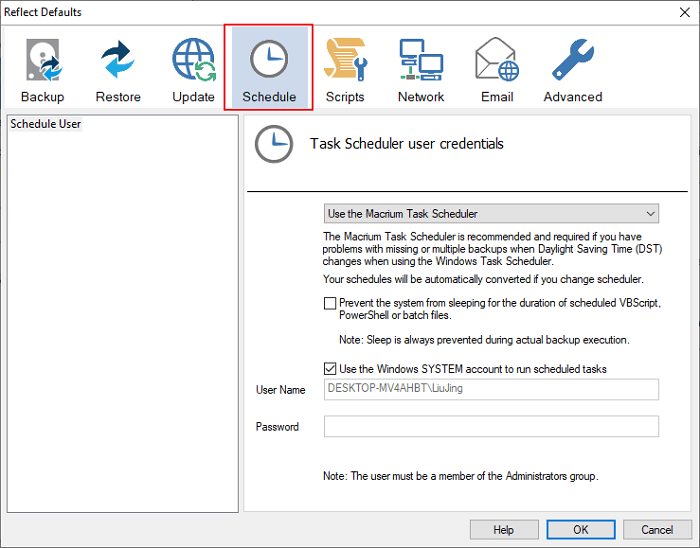
Q8. Can you perform recovery even when your computer cannot boot at the moment?
If Windows cannot start, you need a usable image, a reachable backup destination, and recovery media prepared in advance. Both products offer bootable recovery options. Test that the media starts on your PC and can see the backup drive.
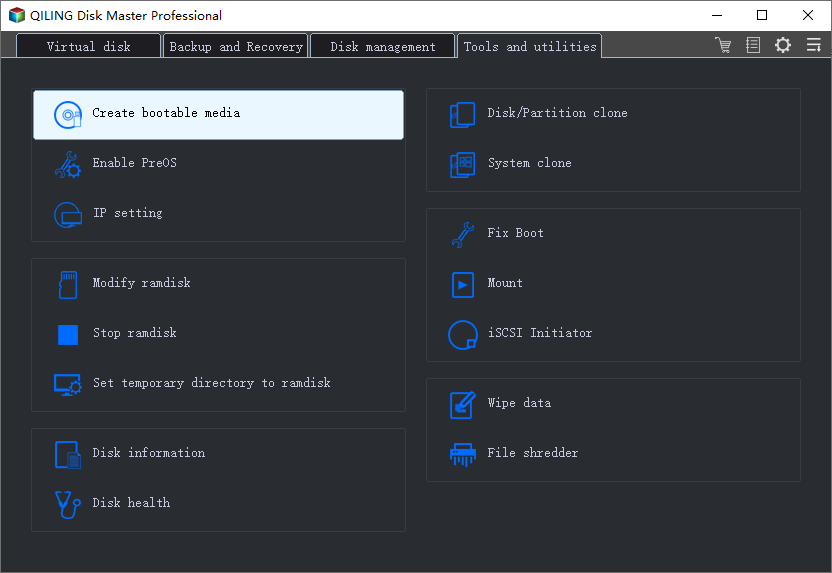
Qiling Backup offers two options to create a bootable environment: Enable PreOS, which requires no additional device, or create an emergency disk, which typically requires a USB flash drive.
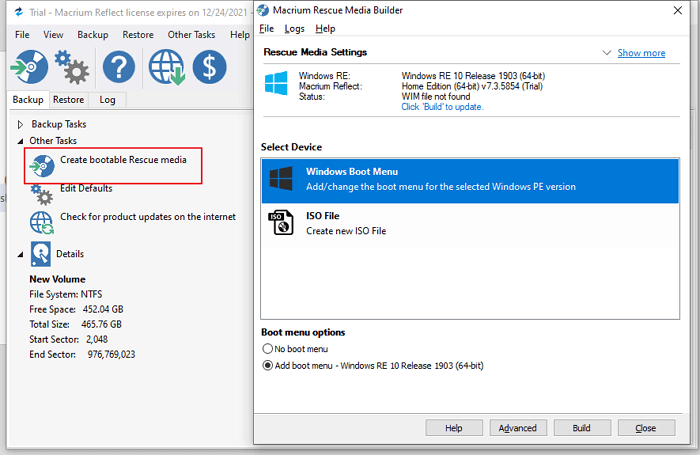
Macrium Reflect provides rescue media for restoring a backup when Windows will not boot. The exact menu labels depend on the Reflect version; create and test the media before a failure.
Q9. Can you transfer the system image to another hard drive or another computer for recovery?
Restoring to a replacement disk in the same PC is different from restoring to a different computer. Hardware changes may require drivers, boot repair, and Windows reactivation. Check whether your Qiling edition includes hardware-independent restore and whether your Macrium edition includes ReDeploy before relying on either for a move to a new PC.
Q10. Do they do the incremental and differential backup?
Full images can consume substantial storage. Compression and incremental or differential backups can reduce later backup size, but restore points still need adequate destination space and a sensible retention policy.
Both Qiling Backup and Macrium Reflect offer the option to create differential backups and incremental backups, which is a convenient feature.
The backup method of an incremental and differential backup is found in the Backup Scheme section during the process of creating a file backup, disk backup, or system backup.
Macrium Reflect also supports incremental and differential backups. Check the current backup-plan settings and test that the full image and its dependent backups can be restored together.
Qiling Backup vs. Macrium Reflect: Which Suits Me Better?
Let's collect the information from the 10 comparisons in a table and make an ultimate comparison between the two products.
| Comparison | Qiling Backup | Macrium Reflect |
|---|---|---|
| About Us | Windows backup and disk-management software from Qiling | Windows backup and recovery software from Macrium |
| Trial and Ease of Use | Trial download; evaluate the backup and restore workflow | Reflect X Home offers a 30-day trial |
| Backup Features | System, disk, partition, and file backup tasks | System imaging and file backup; features vary by edition |
| Price | Check current price and license terms | Check current price and renewal terms |
| Cloud backup | Verify supported destinations in your edition | Verify supported destinations in your edition |
| Support for Large Organizations | Yes | Yes |
| Smart Backup | Yes | Scheduled backup plans available |
| Bootable Rescue Media | Yes, including PreOS and bootable media creation | Bootable media creation |
| Universal Restore | Yes | Check ReDeploy availability by edition |
| Differential and Incremental Backup | Yes, easy to find | Available; check the current backup-plan settings |
Choose the product that covers your required backup type, destination, and recovery path within its current license. Qiling may suit users who want backup alongside other disk tools; Macrium Reflect X Home may suit users focused on image backup and recovery. In either case, create recovery media and test a restore before depending on the backup.
Related Articles
- 100% Work | Activate Windows 10/11 Using CMD and Other Ways
- What Is HP Cloud Recovery And How To Use It?
- 3-Minute Guide on Backup vs. Sync
- Time Saver | How to Back Up to Google Drive Automatically
- How to Make an HP BIOS Recovery USB
There are times that you need to update BIOS (short for Basic Input Output System). However, in case to avoid data loss, it's better to back up the data first. Here we will tell you how to make an HP BIOS recovery USB. - How to Make Bootable DVD without Any Software?
Learn how to make a bootable DVD without any software using built-in OS features. This guide walks you through simple methods with step-by-step instructions for creating bootable DVDs easily.
Products
Articles & Tutorials
- Data Recovery
- Data Backup
- File Recovery
- File Backup
- System Backup and Restore
- Disk and Partition Clone
- Technical articles
- Mobile articles
- Disk Master Help
- Windows Data Recovery Tutorials
- Windows Secure Delete Tutorials
- Windows Partition Management Tutorials
- Windows File Backup and Restore Tutorials
- Windows System Backup and Restore Tutorials
- Windows Disk Backup and Restore Tutorials
- Windows Clone Tutorials